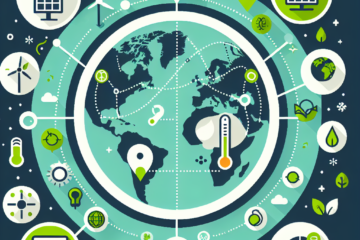
The Impact of Climate Change on International Relations

Introduction
Climate change has emerged as one of the most pressing global challenges of our time, influencing numerous facets of human life, including international relations. As we navigate through 2025, the impacts of climate change are not merely environmental but also profoundly political, social, and economic, reshaping power dynamics and diplomatic strategies between nations. From rising sea levels and extreme weather events to resource scarcity, the reality of climate change is prompting countries to re-evaluate their foreign policies, alliances, and security strategies. The links between climate science and global politics are more critical than ever, making it essential to understand how climate change is impacting international relations.
Section 1: Climate Change as a Catalyst for Conflict
The looming threat of climate change is reshaping the terrain of international conflicts. As environmental conditions deteriorate, competition over scarce resources like water, arable land, and energy becomes increasingly intensified. For instance, in regions such as the Middle East and North Africa, water scarcity exacerbated by climate change has already led to civil unrest and conflicts. In 2025, nations like Egypt, which depends heavily on the Nile River, continue to engage in tense negotiations with upstream nations regarding water rights, highlighting how climate-induced water scarcity can escalate geopolitical tensions.
Moreover, the intersection of climate change and conflict can also be observed in the context of migration. As people flee from climate-affected areas, nations face an influx of migrants, leading to potential strain on resources and exacerbating xenophobia and nationalism within host countries. The combination of climate-induced displacement and political instability can create a perfect storm, requiring international cooperation to manage the humanitarian challenges that arise. Understanding these dynamics illuminates how climate change serves not only as a catalyst for conflict but also as a call for collaborative action among countries.
Section 2: Climate Diplomacy and International Collaboration
As the implications of climate change ripple through diplomatic corridors, climate diplomacy has become a significant aspect of international relations. In 2025, global entities such as the United Nations and various summit meetings focused on climate change, like COP meetings, aim to build frameworks that foster collaboration between countries in addressing environmental challenges. Nations are recognizing that climate change is a shared adversary that transcends borders, compelling them to cooperate in mitigating its effects. Agreements such as the Paris Accord are being revisited and tailored to establish more robust frameworks for carbon reduction targets, showcasing how international treaties now strive to tackle climate change head-on.
Furthermore, recent initiatives have also highlighted the role of renewable energy in fostering economic ties among nations. Countries rich in renewable resources are partnering with those seeking to transition from fossil fuels, creating new avenues for trade and technological exchange. For instance, in 2025, various alliances between European countries and developing nations aim to enhance the grid infrastructure and invest in clean energy projects. This not only contributes to reducing global carbon footprints but also helps to stabilize political relationships amidst rising energy needs.
Section 3: Environmental Security and Military Strategy
As climate change escalates in severity, it is forcing military strategists and national leaders to alter their understanding of security. Environmental security has emerged as a crucial component of national defense, especially for coastal nations facing sea-level rise and increased natural disasters. In 2025, military organizations worldwide are increasingly incorporating climate assessments into their strategic planning, which includes forecasting how climate-related events can affect national border security and disaster response readiness.
Furthermore, the increasing frequency and intensity of natural disasters have also led to calls for a more coordinated international military response. Humanitarian assistance during climate-related crises requires collaboration among nations; thus, military forces are being trained and equipped to operate in such environments. Joint exercises focused on disaster response have become commonplace, fostering cooperative security frameworks while also ensuring that military resources are optimized for humanitarian missions that directly arise from climate change disasters.
Another significant aspect to consider is the role of military operations in environmental degradation. Some countries are reflecting on the sustainability of their military activities, particularly how arms proliferation and military infrastructure can contribute to environmental harm. As a response, international agreements are being introduced to regulate military exercises in ecologically sensitive regions, thereby mitigating further environmental impacts.
Section 4: Economic Implications of Climate Change on Global Trade
The economic implications of climate change are reshaping global trade patterns and impacting international relations. As nations strive to create sustainable economies, the shift toward greener practices is influencing trade agreements and economic policy. In 2025, countries are increasingly incentivized to embrace sustainable practices to remain competitive in a marketplace that values environmental responsibility. As a result, nations are forming economic alliances focused on sustainability, which in turn enhances political cooperation.
Moreover, the transition to a low-carbon economy is sparking innovations in technology and clean energy, creating new industries while also rendering certain sectors obsolete. For instance, fossil fuel-dependent economies are grappling with the implications of declining demand as renewable energy technologies mature. This transition has led to economic realignments, requiring countries to diversify their economies or risk political instability arising from sudden job losses in traditional sectors.
The changing landscape of global trade also carries geopolitical implications. Nations that lead in sustainable technologies have found themselves in advantageous positions, as these advancements often dictate new trade norms and standards. For instance, countries like Denmark and Germany are influencing global energy policies through their innovation in renewable resources. In 2025, this has transformed them into key players on the international stage, demonstrating how climate change impacts not just the environment, but the intricacies of trade and diplomacy.
Section 5: Climate Change and Global Governance
Effective global governance is crucial when addressing the complex challenges posed by climate change. In 2025, international institutions are evolving to better accommodate the pressing call for climate action. The UN Framework Convention on Climate Change (UNFCCC) is reinforcing its role in fostering international cooperation, urging countries to prioritize climate change in their foreign policies. The rising urgency surrounding climate issues is driving many nations to reconsider their commitments and increase their emissions reduction targets to align with global expectations.
Furthermore, non-state actors, including non-governmental organizations and the private sector, are increasingly influencing climate governance. In 2025, the participation of these stakeholders in climate actions and negotiations has demonstrated the importance of a multi-stakeholder approach. Many businesses now prioritize sustainable practices to remain competitive and are actively advocating for climate-friendly policies, influencing governmental actions worldwide.
In addition, the role of international financial institutions has become pivotal in the fight against climate change, providing necessary funding and resources to help nations mitigate and adapt. Programs aimed at offering financial assistance for sustainable practices are becoming key components of international relations, enabling poorer countries to participate in the global climate agenda. In 2025, collaborative financing initiatives, such as the Green Climate Fund, showcase how governance structures can adapt to address the scale and complexity of the climate crisis, resulting in improved coordination and commitment to global sustainability efforts.
Conclusion
In 2025, the impact of climate change on international relations has become undeniably significant. From catalyzing conflicts over resources to influencing trade dynamics, climate change poses complex challenges that require collaborative approaches among countries. The necessity for climate diplomacy, enhanced military strategies, and the evolution of global governance encapsulate the urgent need for nations to adapt to the realities of climate change.
With the stakes higher than ever, it is clear that international relations, now more than ever, must center on sustainability and cooperation to foster a stable and secure global landscape in the face of mounting climate challenges.
FAQs
How does climate change affect national security?
Climate change impacts national security by contributing to resource scarcity and forcing governments to address climate-induced conflicts. Nations face challenges such as water shortages, food insecurity, and increased disaster response needs, which can strain military and intelligence resources.
What role do international treaties play in combating climate change?
International treaties, such as the Paris Agreement, aim to unite nations in their efforts to reduce greenhouse gas emissions and combat climate change. These agreements establish legally binding targets for emissions reduction and facilitate cooperation among countries to achieve shared goals.
How is climate change influencing global trade?
Climate change is reshaping global trade by influencing the demand for sustainable products and practices. Countries leading in renewable energy and sustainable technologies are gaining economic advantages, thus altering trade relationships and economic power dynamics worldwide.
What is the significance of climate diplomacy?
Climate diplomacy is critical because it fosters international cooperation to address climate change effectively. It brings nations together to negotiate agreements, share resources and technologies, and coordinate responses to the multifaceted challenges posed by climate change.
How does climate change contribute to migration trends?
Climate change drives migration by creating uninhabitable conditions in affected areas, such as increased flooding, drought, and extreme weather events. As populations become displaced, they seek refuge in more sustainable regions, leading to complex political and humanitarian challenges for host nations.