Analyzing Olympic Fan Engagement: Trends and Innovations
Introduction
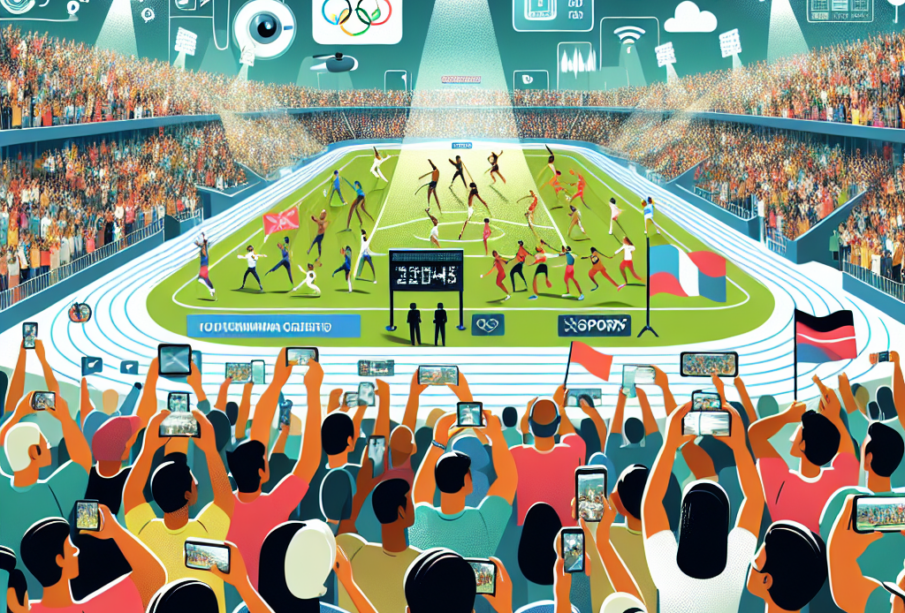
As the 2024 Paris Olympics approached, the buzz surrounding Olympic fan engagement intensified. Analyzing Olympic fan engagement trends and innovations reveals not only how technology has transformed the way fans interact with the Games but also how this engagement shapes the overall experience for fans worldwide. In 2025, the evolving landscape of sports engagement is more dynamic than ever, with athletes, sponsors, and digital platforms playing pivotal roles in enhancing fan experiences. This article delves deep into the transformative trends and innovative approaches that redefine how fans connect with the Olympic Games.
Evolution of Olympic Fan Engagement
The evolution of fan engagement surrounding the Olympics can be traced back several decades, but the 2020 pandemic era marked a major turning point. Prior to this, fan engagement primarily revolved around in-person experiences, ticket sales, and traditional media coverage. However, as live events were canceled or scaled down, fans turned to digital platforms for interaction. This shift towards online engagement accelerated innovations such as live streaming, virtual reality experiences, and immersive apps that allowed fans to experience the Games from their homes. By 2025, brands have recognized the importance of fan interactions that go beyond mere observation, emphasizing the need for meaningful engagement.
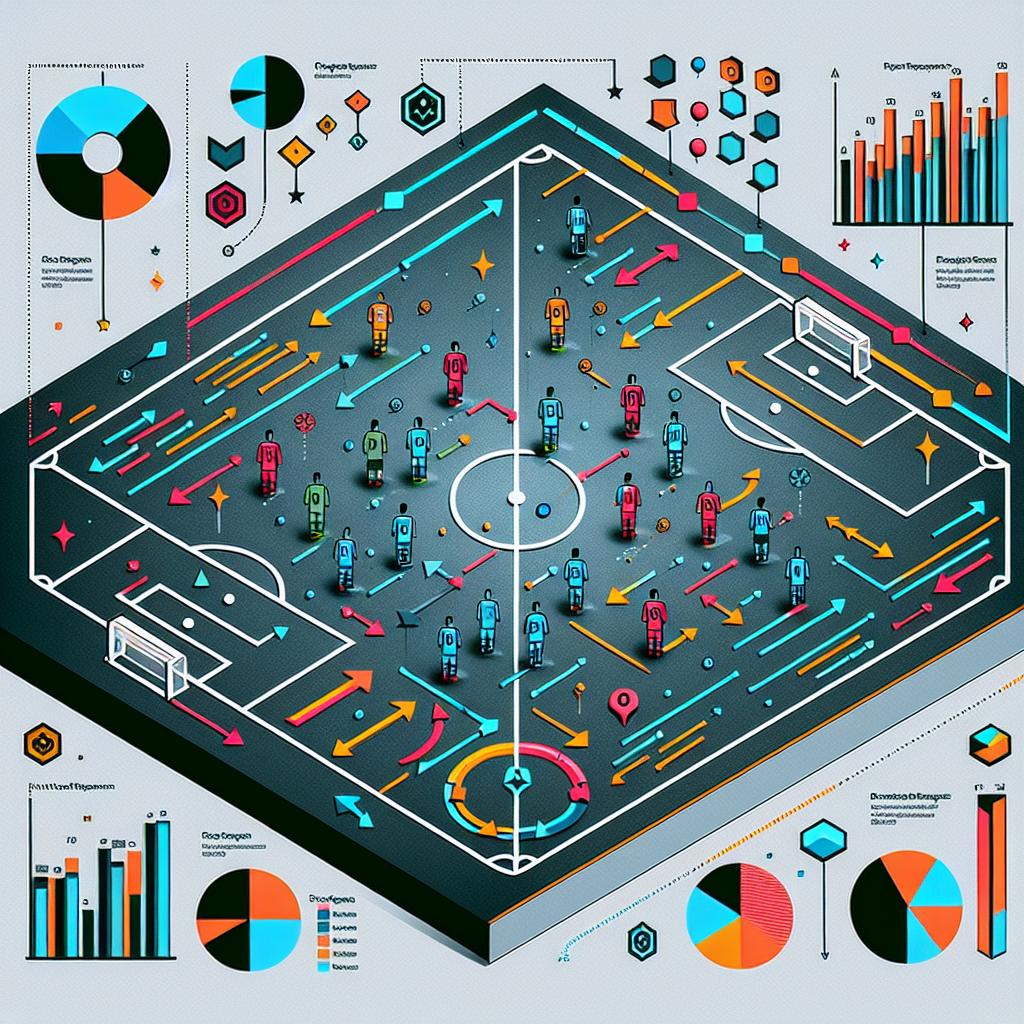
Today, Olympic fan engagement is characterized by personalized experiences fueled by data analytics. Organizations are leveraging extensive data on fan behaviors and preferences to create tailored communication strategies. For instance, the use of advanced algorithms allows the Olympic Committee and sponsors to deliver targeted content, be it through social media advertisements or personalized newsletters. This shift not only helps in retaining fan interest but also encourages active participation, such as voting for favorite athletes or commenting on social media posts, thereby creating a community feel around the Games.
Technological Innovations in Fan Engagement
As technology continues to advance, its role in fan engagement during the Olympics has become more pronounced. Innovative tools like augmented reality (AR) and virtual reality (VR) have opened up new avenues for immersive fan experiences. In 2025, sports organizations are rolling out AR apps that allow fans to visualize themselves competing alongside their favorite athletes, or attending events virtually as though they are there. These technologies provide unique storytelling capabilities, enabling fans to gain deeper insights into athletes’ journeys and the significance of various events, fostering a stronger emotional connection.
Moreover, social media has evolved into a critical platform for fan engagement. By 2025, platforms like TikTok, Instagram, and Twitter are not just channels for broadcasting content but also for creating interactive experiences. Features such as live polls, Q&A sessions with athletes, and behind-the-scenes looks at training and competitions have transformed the way fans experience the Olympics. Fans can engage in real-time conversations and connect with athletes, making them feel more included in the Olympic community than ever before. This dual effect of technology—enhancing connectivity and promoting interactivity—paves the way for innovative fan experiences.
The Role of Influencers and Ambassadors
In the modern sporting environment, social media influencers and brand ambassadors have become essential players in the Olympic fan engagement landscape. In 2025, the strategic use of both professional athletes and everyday influencers is shaping how fans interact with the Olympic brand. Influencers, with their vast follower networks, provide valuable avenues for authentic engagement through relatable content. By sharing personal stories, training routines, and insights about friendship and competition, these ambassadors enrich the fan experience, allowing locals and international audiences to forge connections that transcend geographic boundaries.
In addition to traditional athletes, non-athletes also play a crucial role in fan engagement strategies. Olympic committees often collaborate with popular influencers who resonate with youth culture, effectively targeting younger audiences who might not have previously engaged with the Olympic content. Collaborative social media campaigns, challenges, and live interaction sessions between fans and influencers create organic engagement, driving social media trends while encouraging more individuals to follow the Games closely. Through these strategic partnerships, the Olympic brand not only grows but diversifies its reach and relevance.
Moreover, the combination of athletes and influencers extends beyond just promotional content; it promotes advocacy for various causes, including mental health, diversity, and sustainability. Athletes like Simone Biles and Michael Phelps have utilized their platforms to discuss challenges faced not only in their athletic careers but also in their personal lives, allowing fans to relate to them on a human level. This multifaceted approach to fan engagement cultivates deeper relationships within the Olympics framework, showcasing the immense power of understanding and empathy.
Enhanced Digital Experiences for Fans
As fan expectations evolve, so do the digital experiences offered by Olympic organizers. By 2025, enhanced mobile apps are becoming the primary resource for fan engagement, providing real-time updates, ticketing options, and interactive features that keep fans engaged and informed throughout the Games. These applications not only serve as a hub for competition schedules, athlete bios, and results but also include community-building features such as fan chat forums, where users can discuss events live, share their opinions, and connect with other fans globally.
In addition, the integration of gamification in fan engagement strategies has proven to be highly effective. Through points, rewards, and challenges, fans are encouraged to interact with Olympic content more actively. For example, fans may earn points by participating in virtual events, sharing their thoughts on social media, or accurately predicting medal winners. This sense of competition encourages deeper engagement and fosters loyalty to the Olympic brand, making every fan feel like they are part of the celebration, even from afar.
Finally, the use of data analytics to enhance digital interaction has reached unprecedented levels. With insights gathered from fan behavior, organizers now possess the knowledge to cater experiences in real-time; whether it’s sending alerts about their favorite athletes’ performances or offering discounts on merchandise based on their shopping habits. The result is a more personalized digital experience, focused on delivering value and connection to fans.
Community Building and Fan-Centric Initiatives
The Olympics are unique not only in their global appeal but also in their ability to inspire a sense of community and unity. By 2025, Olympic engagement strategies have put considerable emphasis on community-building initiatives, recognizing that fans seek connection beyond mere observation of events. Grassroots programs, local fan festivals, and inclusion-focused initiatives have emerged, designed to engage wider audiences, particularly in underrepresented communities. These initiatives aim to inspire future generations while creating a sense of belonging among fans.
Sponsorship deals and collaborations with community brands are instrumental in furthering these initiatives. Engaging local businesses to offer exclusive deals during the Olympics not only enhances fan experience but also aims to boost local economies. These partnerships unite fans in celebration, and support strong emotional ties to both the Olympics and their communities. For instance, city-wide watch parties are organized during significant events, linking larger communities through shared experiences, cultivating enthusiasm, and strengthening civic pride.
Additionally, the emphasis on inclusivity in fan engagement efforts has paved the way for diverse programming that highlights athletes from varying backgrounds, ensuring underrepresented groups see themselves reflected in Olympic narratives. By showcasing stories of perseverance and triumph rooted in diverse experiences, the Olympics cultivate a sense of pride and belonging for all fans, enhancing engagement while breaking down traditional barriers.
Conclusion
In conclusion, analyzing Olympic fan engagement trends and innovations reveals a rapidly evolving landscape shaped by technology, community, and a focus on inclusivity. As we move further into 2025, the integration of advanced technologies, engaging content from influencers, enhanced digital experiences, and community-focused initiatives illustrates an overarching goal: to make every fan feel like a vital part of the Olympic story. The creative strategies employed by organizers ensure that both new and long-time fans can find their place in this global event, leading to richer, more meaningful connections with the Games and the athletes who dare to compete in them.
FAQs
What are the key trends in Olympic fan engagement for 2025?
The key trends include the use of virtual and augmented reality for immersive experiences, increased influencer partnerships for authentic engagement, enhanced digital platforms for real-time interaction, and community-building initiatives focusing on inclusivity and representation.
How has technology transformed fan engagement during the Olympics?
Technology has enabled the creation of personalized experiences through data analytics, introduced interactive features like gamification in apps, and fostered deeper connections through social media platforms, making fan engagement more dynamic and interactive.
Why is community building essential for Olympic fan engagement?
Community building fosters a sense of belonging and unity among fans, strengthening their connection to the Olympics. It also enhances local economies and creates opportunities for underrepresented groups to participate actively in the Olympic narrative.
What role do influencers play in Olympic fan engagement?
Influencers and brand ambassadors amplify the Olympic message, connect with niche audiences, and share authentic content that resonates with fans, helping to enhance engagement through relatable storytelling and advocacy.
Are there any specific fan engagement initiatives for youth in 2025?
Yes, there are several youth-oriented initiatives, including grassroots programs, interactive mobile apps designed for younger audiences, and local festivals designed to inspire participation, ensuring that the spirit of the Olympics reaches younger generations.