The Significance of Political Satire in Journalism

The Significance of Political Satire in Journalism
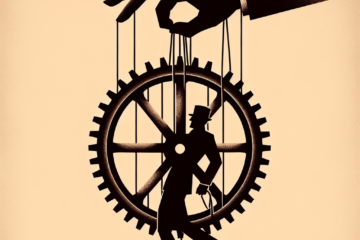
Political satire has evolved into a critical pillar of modern journalism, shaping public discourse and influencing political perspectives. As society grapples with complex political landscapes and rapid changes, the role of satire has become increasingly important in addressing issues, fostering critical thinking, and guiding public opinion. As we delve deeper into 2025, we observe how political satire serves not just as entertainment but as a crucial tool for awareness and accountability in journalism.
The Evolution of Political Satire in Journalism
Political satire has a rich history that dates back to ancient civilizations, yet its role in journalism has undergone significant metamorphosis, especially in the digital age. With the advent of social media platforms and the rise of digital news outlets, political satire has become widely accessible, allowing it to permeate different audience demographics. This shift signifies a departure from traditional newspaper cartoons and Sunday night sketch shows to an array of formats, including online video content, memes, and tweets. Satirical journalism now figures prominently in how stories are presented, consumed, and shared, making it a significant vehicle for political commentary.
The hallmark of political satire lies in its ability to convey serious messages through humor. In a time marked by polarization and disdain for traditional media, satire offers a fresher and often more palatable approach to critical commentary. By targeting the absurdities and shortcomings of politicians, policies, and governmental procedures, satirists can pierce the veneer of political discourse, drawing attention to pressing issues that might otherwise be ignored. In 2025, with social media algorithms shaping what content is seen, satire can capture the public’s attention more effectively than conventional news articles, prompting deeper engagement and broader discussions.
The Role of Political Satire in Public Discourse
Political satire plays an indispensable role in shaping public discourse, acting as a barometer for societal sentiments. By addressing current events through a satirical lens, it forces audiences to reconsider their beliefs and challenge established norms. For example, in recent years, satirical shows and online platforms have successfully highlighted issues of inequality, climate change, and democratic backsliding, prompting audiences to engage in discussions that extend beyond the confines of traditional media commentary. In 2025, political satire is increasingly relevant as it continues to spotlight the issues that mainstream journalism occasionally overlooks or glosses over.
Moreover, political satire can stimulate critical thinking among citizens. It encourages audiences to question authority and analyze the implications of political actions. In a landscape riddled with misinformation and bias, satire can serve as a helpful antidote, encouraging audiences to think critically about the information being presented. By framing contentious political situations within a comedic context, satirists invite audiences to reflect on the absurdities of political decisions, ultimately fostering a more informed and engaged populace.
The Impact of Digital Media on Political Satire
The rise of digital media has transformed the landscape of political satire, providing unprecedented platforms for creative expression and commentary. Notably, platforms like TikTok and YouTube have enabled emerging satirists to reach vast audiences, leveraging humor to tackle serious political issues. In 2025, this democratization of media means that traditional satirical outlets must contend with a multitude of voices that engage audiences differently. As a result, conventional political satire must evolve to maintain relevance, often integrating more interactive content that resonates with younger audiences.
The immediacy afforded by social media also acts as a double-edged sword for political satire. While it allows for quick dissemination of satirical content, it can also lead to the spread of misinformation when satire is misinterpreted or taken out of context. It is essential for satirists to strike a balance between being witty and responsible. In 2025, audiences are increasingly aware of the nuances of satire, prompting satirists to craft their work more thoughtfully, ensuring that their humor does not mislead or confuse their audience regarding serious issues.
Additionally, the collaboration between officials and satirists has become commonplace, further blurring the lines between politics and humor in modern journalism. Politicians often engage with satirical content, using it as a means of self-promotion or to reframe their narratives. This interaction demonstrates the growing acknowledgment of political satire as a legitimate and influential force in shaping public perceptions. For instance, prominent politicians have appeared on satirical shows, resulting in an interesting interplay between humor and seriousness, ultimately enriching the political dialogue.
<h2 Political Satire as a Catalyst for Social Change
Political satire serves as a catalyst for social change by amplifying marginalized voices and critiquing systemic issues within governance. By creatively addressing topics like race, gender, and economic disparity, satirical pieces elicit empathy and challenge the status quo. In 2025, with ongoing discussions around social justice and environmental sustainability, political satire is at the forefront of activism, urging audiences to reflect on broader implications beyond the political sphere. The use of humor can make difficult conversations more digestible, allowing for an approach that invites reflection and encourages constructive dialogue.
Furthermore, political satire plays a pivotal role in holding leaders accountable. Through parody and irony, satirists expose hypocrisy among politicians, demanding transparency and integrity in governance. For example, notable satirical programs have documented government inaction on climate change, pushing the narrative forward and demanding accountability from leaders in a way that conventional journalism might struggle to achieve. In 2025, audiences rely on satirical platforms to unveil not only the follies of politicians but also the inefficiencies and failures of bureaucracies, thereby promoting more significant civic engagement.
Moreover, collaborations between grassroots movements and satirical platforms highlight the ways satire can serve as a powerful tool for activism. Social media campaigns increasingly employ satire as a means to attract attention to causes and rally public support. By leveraging humor, these movements can humanize their concerns and present them in a relatable manner. As political satire extends its reach into activist spheres, it creates a space where critical political discussions can flourish, ultimately paving the way for change through laughter.
The Future of Political Satire in Journalism
As we navigate through 2025, the future of political satire in journalism appears promising but also fraught with challenges. The digital landscape will continue to evolve, and as new platforms emerge, satirists will need to adapt to the shifting preferences of their audiences. Engaging younger generations through innovative formats — such as interactive video content and multi-platform storytelling — will likely become the norm as satirists aim to maintain relevance and impact within a saturated media environment.
In addition, the rise of artificial intelligence and machine learning has the potential to reshape the satirical landscape further. AI-generated content could assist creators in crafting more targeted satirical pieces, enhancing the ability to tailor messages that resonate with particular demographics. However, this technological integration also raises ethical questions about authenticity and originality within satire, which seasoned satirists will need to navigate carefully.
Furthermore, the global dimensions of satire will become more prominent as audiences grow increasingly interconnected. With the rise of international issues such as climate migration and transnational politics, satirical content may adopt a more global perspective that transcends borders. In 2025, we can expect a flourishing landscape of cross-cultural satire that critiques not just national leaders but also global institutions and ideologies, fostering a more cosmopolitan dialogue.
Conclusion
Political satire is undoubtedly becoming essential to journalism as we advance through 2025. Its ability to entertain, provoke thought, and challenge established norms has solidified its role as a significant force in shaping public discourse and political accountability. By engaging diverse audiences, driving critical discussions, and serving as a catalyst for social change, political satire enriches our understanding of an increasingly complex world. As both the media landscape and society continue to evolve, the importance of political satire will only grow, persisting as a powerful means of both humor and responsibility.
FAQs
What is political satire?
Political satire is a comedic form of expression that critiques politics and government. It often highlights the absurdity of political actions and decisions through humor, parody, and irony.
How does political satire influence public opinion?
Political satire influences public opinion by engaging audiences in serious discussions through humor, encouraging critical thinking, and prompting them to question authority and political narratives.
What role does social media play in political satire?
Social media amplifies political satire by providing platforms for creators to reach wider audiences quickly. It allows for creative formats and immediate engagement with current issues, while also posing challenges regarding misinformation.
Can political satire lead to social change?
Yes, political satire can lead to social change by raising awareness of critical issues, holding leaders accountable, and amplifying marginalized voices. Humor allows for difficult conversations to be approached in a more relatable manner, fostering engagement and activism.
What does the future hold for political satire in journalism?
The future of political satire in journalism will likely be shaped by advancements in technology and evolving media preferences. Increased integration of interactive content, AI-generated creativity, and a more global perspective are expected to define the next wave of political satire.