Breaking Barriers: Women in the Olympic Movement

Breaking Barriers: Women in the Olympic Movement
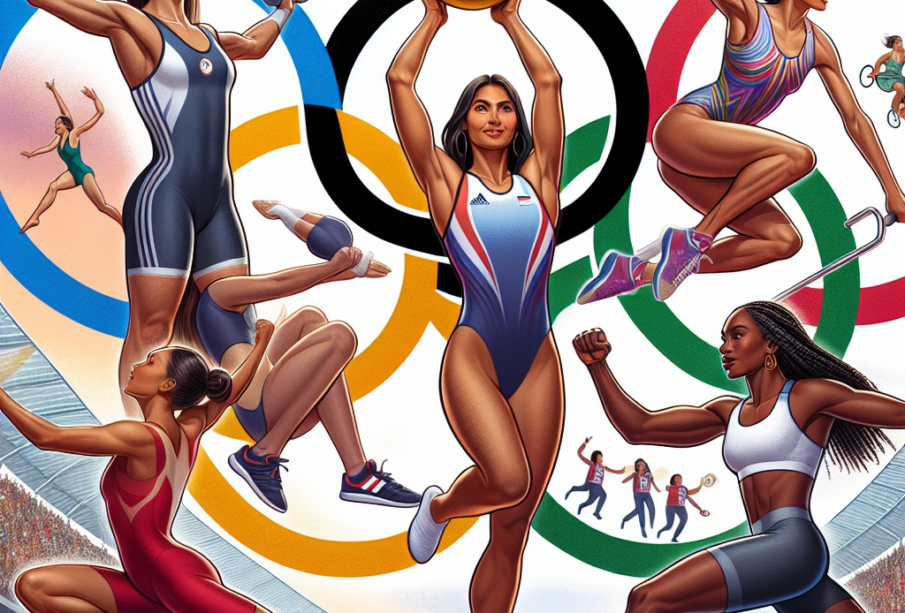
The Olympic Movement has a long history characterized by the celebration of athletic excellence and the ideals of international friendship and competition. However, the journey for women within this revered arena has been one filled with challenges, discrimination, and remarkable triumphs. Breaking barriers is not simply a catchphrase; it reflects the ongoing evolution of women’s roles in the Olympics, culminating in a significant impact on gender equality in sports. As we look toward the Paris 2024 Olympics and beyond in 2025, it’s crucial to understand how women have transformed the Olympic landscape and continue to shape its future.
The Historical Context of Women in the Olympics
The journey of women in the Olympic Movement began with considerable hurdles. The first modern Olympic Games in 1896 did not include women, reflecting the prevailing social norms of the time that viewed women as less capable of competing in strenuous sports. It wasn’t until the 1900 Paris Olympics that women were allowed to compete, albeit in a very limited number of events, which were primarily deemed “appropriate” for their gender, such as tennis and golf. This initial inclusion was the start of a long battle for recognition and equality within the Olympic framework.
Over the following decades, women made gradual gains in terms of participation and representation in the Games. By the 1936 Berlin Olympics, women participated in more sports, but their involvement was still significantly lesser compared to men. The struggles faced during this period laid the groundwork for future generations, highlighting the significance of advocacy, representation, and the fight for inclusion that would ultimately rise to prominence in the latter half of the 20th century. Through organized efforts and movements advocating for women in sports, attitudes began to shift, paving the way for a more inclusive Olympic Movement.
Milestones in Women’s Olympic History
Several key milestones mark the progression of women’s participation in the Olympic Movement. One of the most significant moments occurred in 1984 when the Los Angeles Olympics witnessed the participation of women in every sport. This was the first time that women could compete in events such as boxing, which had been previously inaccessible to them. Each Olympic Games since then has built upon this foundation, gradually increasing not only the number of events available to female athletes but also the overall representation of women within various national delegations.
The 1996 Atlanta Olympics is particularly notable as it featured women’s soccer and the first female athletes represented from Saudi Arabia, marking a shift in the cultural perceptions of gender in sports worldwide. Moreover, the introduction of additional sports and events, such as wrestling and weightlifting, has further amplified opportunities for female athletes, allowing them to showcase their skills on a global stage. These milestones not only highlight the evolution of women’s roles within the Olympic Movement but also reinforce the broader fight for gender equality in sports.
Challenges Faced by Women in the Olympic Movement
Despite significant progress, women athletes continue to face numerous obstacles within the Olympic Movement, including disparities in funding, recognition, and media coverage. Historically, women’s events have garnered less attention from both broadcasters and sponsors, which has resulted in limited financial support compared to their male counterparts. This disparity often leads to women athletes being pushed into a secondary role, affecting their training, preparation, and overall performance at major competitions, including the Olympics.
In addition to financial obstacles, female athletes frequently encounter cultural barriers, particularly in countries where gender roles are deeply entrenched in society. Many women athletes face societal pressures and resistance when pursuing competitive sports, which can hinder participation rates and impact performance. Issues such as inadequate facilities, restricted access to training, and cultural stigma surrounding female athletes remain prevalent challenges that require attention and action from Olympic authorities and national federations, urging a collective effort to dismantle these barriers.
The psychological aspect of competing also warrants attention. Female athletes often report experiencing higher levels of mental health challenges, ranging from anxiety to performance pressure, which can be exacerbated in environments lacking support and understanding. It is essential for the Olympic Movement to prioritize mental health resources and create environments where female athletes can thrive, ultimately elevating their performance and contribution to the Games.
Advocacy and Support for Women Athletes
As the fight for gender equality continues, advocacy organizations and initiatives have emerged to support women in the Olympic Movement. The creation of programs such as the International Olympic Committee (IOC)’s Gender Equality Review Project, launched in 2018, aims to promote and implement gender balance within Olympic sports. This initiative emphasizes that national Olympic committees and international federations should actively recruit and engage female athletes, coaches, and leaders, thus fostering a more inclusive environment in which women’s sports can thrive.
Another noteworthy development is the establishment of mentorship programs, whereby seasoned female athletes can guide and inspire the next generation. These relationships help convey invaluable insights and provide the structure and support necessary for young female athletes to navigate the complexities of competing in an environment still grappling with gender disparities. Initiatives like these can cultivate an empowered and resilient generation of female athletes who are equipped to break boundaries and achieve new heights in their sporting careers.
Furthermore, the role of social media cannot be overlooked. Many women athletes have harnessed platforms like Instagram and Twitter to raise awareness of their experiences, celebrate their achievements, and advocate for change in Olympic policies and practices. The visibility and reach that these outlets provide have become instrumental in pushing for greater recognition and resources for women in sports, thereby contributing to an evolving cultural landscape that embraces female athleticism.
The Future of Women in the Olympic Movement
Looking toward the 2024 Paris Olympics and beyond, the future of women in the Olympic Movement appears increasingly hopeful. With the IOC’s commitment to achieving a 50% female participation rate by the Paris Games, there is a concerted effort to ensure that women are given equal representation in all sports. This initiative is not merely symbolic; it reflects the recognition that gender equity is fundamental to enhancing the Olympic experience for all competitors.
Moreover, the introduction of new sports in the Olympics is encouraging fresh possibilities for female athletes. For instance, sports like skateboarding and surfing, which debuted in the Tokyo 2020 Olympics, have attracted a diverse and empowered group of women who are redefining the narrative around women’s sports. This trend not only broadens the horizon for female participation but also fosters an ongoing dialogue around inclusivity and celebration of female athletes in traditionally male-dominated sports.
In conclusion, the ongoing evolution of women in the Olympic Movement showcases a remarkable narrative of perseverance, achievement, and a collaborative effort toward equality. As walls of discrimination continue to crumble, the spirit of female athletes is more vibrant than ever. The push for comprehensive support systems, cultural change, and advocacy for female participation will undoubtedly lead to a more inclusive and dynamic Olympic Movement, setting the stage for future generations to realize their dreams on the world’s biggest athletic stage.
Conclusion
The journey of women in the Olympic Movement is a testament to the spirit of resilience and commitment to equality. From historical challenges to modern-day advocacy, the progress made has opened doors for future generations of female athletes. As we anticipate the upcoming Olympics in Paris, it is crucial to carry forward the momentum of change, ensuring that women are not just participants in the Olympic Movement but are also celebrated ambassadors of strength, determination, and inspiration worldwide.
FAQs
What was the first Olympic event for women?
The first Olympic event for women occurred at the 1900 Paris Olympics, where they competed in tennis and golf.
How has women’s participation in the Olympics changed over the years?
Women’s participation in the Olympics has significantly increased, with the IOC aiming for gender parity by the 2024 Paris Games. Today, women compete in almost all Olympic sports.
What challenges do women athletes face today?
Women athletes face challenges such as disparities in funding, media coverage, cultural barriers, and mental health pressures, which can hinder their performance and opportunities in sports.
What initiatives are in place to support women athletes?
Several initiatives like the IOC’s Gender Equality Review Project, mentorship programs, and social media campaigns help advocate for women athletes and promote gender equality in sports.
What impact do social media platforms have on women in sports?
Social media platforms have become powerful tools for women athletes to promote their stories, fight for equality, share experiences, and connect with audiences, thereby influencing perceptions of women’s sports globally.