Climate Justice: A Liberal Response to Global Warming
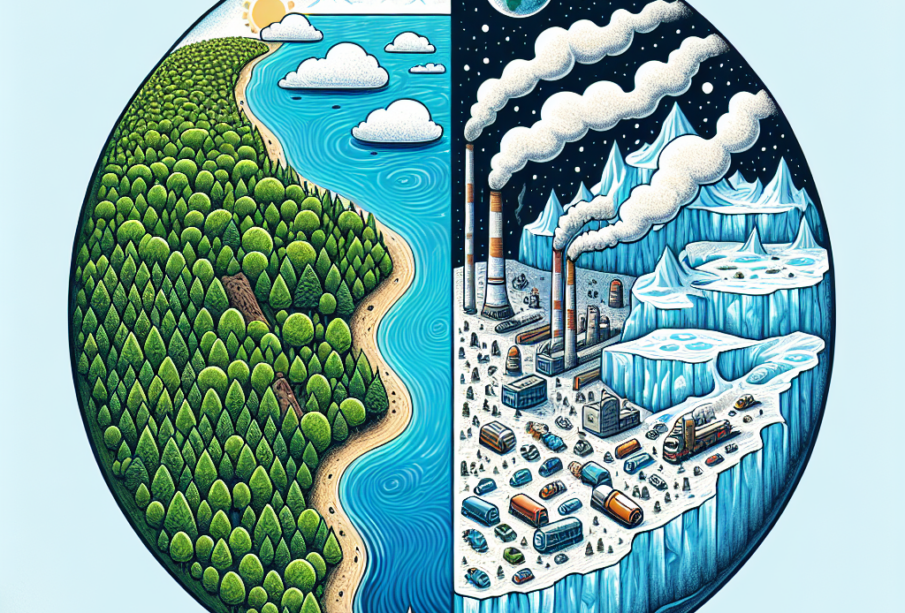
Climate Justice: A Liberal Response to Global Warming
The urgency of climate change has never been more pronounced, with its effects visible across the globe—from devastating wildfires to unprecedented flooding. As we navigate through 2025, the concept of climate justice has emerged as a cornerstone of liberal environmentalism, advocating not just for environmental sustainability but also for equity and human rights in climate action. This article delves into climate justice, showcasing its importance as a liberal framework to address global warming. By emphasizing the voices of marginalized communities and prioritizing equitable solutions, we can counteract the disproportionate impacts of climate change and build a more just society.
The Concept of Climate Justice
Climate justice represents a critical intersection of environmental and social justice principles. It highlights how climate change disproportionately affects marginalized and disadvantaged communities who often bear the least responsibility for greenhouse gas emissions. This approach not only calls for effective environmental policies but also emphasizes the need to rectify historical injustices. It proposes a framework wherein those who have contributed the most to climate change are held accountable and those most affected are prioritized in the formulation of climate solutions. By situating climate action within a broader human rights paradigm, climate justice calls for proactive measures that address systemic inequalities.
At its core, climate justice encompasses a commitment to protect and empower vulnerable populations. This includes Indigenous peoples, low-income communities, and racial minorities who are often excluded from decision-making processes. The liberal response to global warming integrates their perspectives, advocating for policies that uplift their voices and incorporate their needs. As we approach environmental challenges, it becomes essential to ensure that restorative justice frameworks are included in policy discussions, guaranteeing that vulnerable communities receive support and resources necessary for climate adaptation and resilience.
Liberal Principles in Addressing Global Warming
The liberal perspective on climate justice promotes a proactive and inclusive approach to environmental protection. This perspective recognizes that sustainable development, human rights, and social equity must go hand in hand. Liberals argue that the consequences of climate change—such as increased natural disasters, food insecurity, and health risks—are exacerbated by existing inequalities. Therefore, addressing global warming demands not only environmental strategies but also socio-economic reforms. Policies that aim to transition to renewable energy sources or implement stricter emissions regulations must acknowledge and mitigate the impact on marginalized groups.
Furthermore, the liberal response to climate change stresses international cooperation and commitment to global agreements such as the Paris Accord. By advocating for a collective approach rooted in shared responsibility, liberals emphasize the importance of national and international policies that align with climate justice principles. This includes financial and technical support for developing nations, enabling them to adapt to climate impacts while pursuing sustainable development. As we face a global crisis, the solidarity exhibited through cooperative policies underpins a liberal approach to achieving meaningful climate solutions.
The Role of Activism and Advocacy in Climate Justice
Activism plays a pivotal role in advancing climate justice, engaging diverse communities in the fight against global warming. Grassroots movements, often led by Indigenous groups and environmental justice organizations, have been crucial in bringing attention to the injustices faced by vulnerable populations. These movements advocate for systemic changes that not only address environmental concerns but also tackle economic and racial inequalities. By leveraging social media, protests, and campaigns, activists effectively raise awareness and put pressure on governments and corporations to adopt climate policies rooted in justice.
Moreover, advocacy efforts have resulted in increased visibility for issues like environmental racism, where communities of color are disproportionately affected by pollution and climate hazards. Activists push for policy reforms that dismantle these inequities, advocating for clean air, water, and sustainable land use. Through partnerships with climate scientists and experts, these movements also ensure that policy proposals are informed by empirical evidence and framed in a manner that resonates with various societal groups.
Another significant aspect of activism lies in its ability to inspire youth engagement in climate justice. As seen in 2025, youth-led movements have become critical voices in the global climate conversation, pushing governments and institutions to adopt ambitious climate actions. By organizing strikes, workshops, and educational campaigns, the younger generation is mobilizing to advocate for their rights to a sustainable and equitable future. This intergenerational collaboration introduces fresh perspectives and innovative solutions to the climate crisis, ultimately enhancing the liberal framework for climate justice.
Integrating Climate Justice into Policy Frameworks
As the climate crisis deepens, integrating climate justice into public policy frameworks is essential. Governments must prioritize inclusive decision-making processes that involve affected communities in climate action planning. This can be achieved through public consultations, participatory budgeting, and ensuring representation in climate governance. By doing so, policymakers can create initiatives that address the specific needs of marginalized populations while promoting overall resilience to climate impacts.
Additionally, financial instruments such as green bonds and climate adaptation funds should prioritize investments in low-income neighborhoods and vulnerable areas. These financing mechanisms enable infrastructure improvements, support for renewable energy projects, and disaster preparedness initiatives that directly benefit marginalized communities. Such direct investment not only fortifies these regions against climate change but also fosters economic growth and social equity.
Moreover, integrating climate justice principles necessitates revisiting existing legal frameworks to eliminate barriers to environmental justice. Laws that mandate environmental assessments for large-scale projects must consider cumulative impacts on local communities, focusing on safeguarding health and well-being. Emphasizing accountability measures against polluters is crucial in enforcing equitable policies. By aligning legal and institutional frameworks with the tenets of climate justice, governments take meaningful steps toward mitigating the climate crisis while promoting equity and human rights.
The Global Perspective: Climate Justice Beyond Borders
Climate justice is not merely a domestic issue but a global challenge demanding international solidarity and cooperation. The liberal response to global warming calls for the recognition of the interconnectedness of climate impacts across borders. Climate change disproportionately affects many developing nations, which often lack the resources to adapt and mitigate its effects. As such, wealthier countries, historically the largest polluters, bear a moral responsibility to assist vulnerable nations in their climate efforts.
Efforts to support global climate justice can include reparations for climate harm, wherein affluent nations contribute funds and technology to help developing countries combat and adapt to climate change. This notion underscores the need for developed countries to honor their commitments detailed in international agreements, such as the pledge to mobilize $100 billion annually to support climate initiatives in developing nations. By fostering equitable structural changes, the liberal approach can help facilitate a just transition that prioritizes the needs of those most affected by climate change.
Additionally, cultural exchanges and knowledge-sharing initiatives can enhance global climate justice efforts. By facilitating partnerships between activists, scientists, and policymakers across different regions, we can better understand the localized impacts and innovate tailored solutions. This collaborative approach showcases the necessity of integrating diverse perspectives while addressing systemic issues such as colonialism and exploitation, which further exacerbate the climate crisis.
Finally, as part of this global perspective, addressing climate migration must be a priority. As regions become increasingly uninhabitable due to climate impacts, large populations will be forced to move, leading to potential socio-economic and political challenges. A liberal response emphasizes the need for equitable policies regarding climate refugees, aiming to protect those displaced by climate change and integrating their rights into global frameworks.
Conclusion
Climate justice stands as a crucial liberal response to the pressing crisis of global warming. By advocating for equitable solutions that give voice to marginalized communities, the framework of climate justice integrates social and environmental justice into climate action. The collaboration of activists, policymakers, and global communities remains essential in tackling climate challenges and ensuring that solutions are inclusive and just. As we continue to face an ever-evolving climate crisis, the principles of climate justice must drive our collective efforts toward creating a sustainable and equitable future for all.
FAQs
What is climate justice?
Climate justice refers to the fair treatment of all people in relation to environmental policies and climate change impacts, emphasizing the need to address systemic inequalities and prioritize vulnerable communities affected by climate change.
How does climate justice relate to climate change?
Climate justice highlights the disproportionate impacts of climate change on marginalized communities, advocating for inclusive solutions that not only address environmental degradation but also rectify social inequities.
What role do activists play in climate justice?
Activists play a key role in raising awareness about climate justice issues, advocating for policy changes, and empowering marginalized communities to voice their concerns and needs in climate action planning.
Why is international cooperation important for climate justice?
International cooperation is crucial for climate justice as climate change transcends borders. Wealthier nations are encouraged to provide support to developing countries in their climate adaptation efforts to ensure equitable access to resources and technologies.
How can climate justice influence public policy?
Climate justice can influence public policy by prioritizing inclusive decision-making, supporting investments in marginalized communities, and revising legal frameworks to promote equity in environmental governance.