Exploring the Corruption Perceptions Index: What It Tells Us About Global Politics

Exploring the Corruption Perceptions Index: What It Tells Us About Global Politics
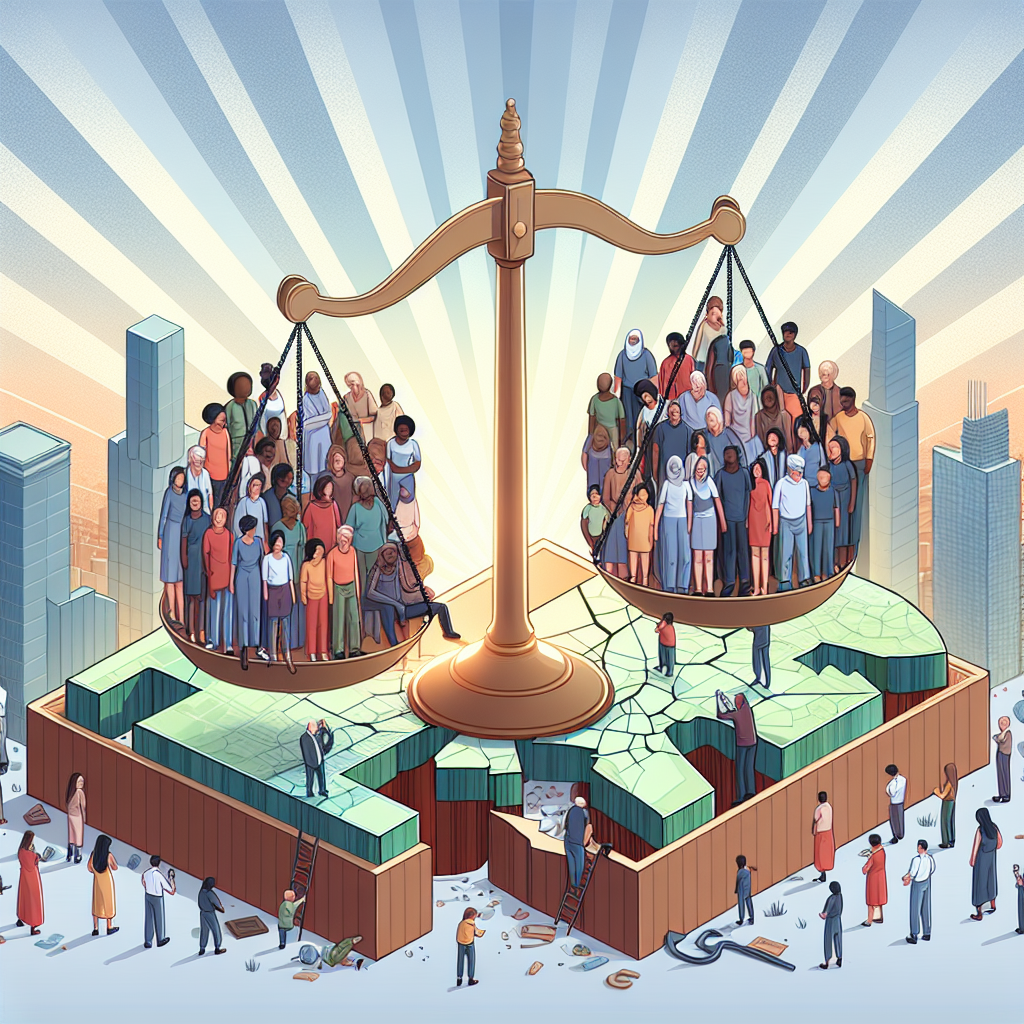
In the ever-evolving landscape of global politics, understanding the nuances of governance, trust, and transparency is vital. The Corruption Perceptions Index (CPI), published annually by Transparency International, serves as an essential barometer for evaluating corruption levels across nations. With the 2025 index unveiling stark contrasts and unexpected trends, this article delves deep into what the CPI reveals about our world’s political climate today, emphasizing its implications for governance and societal trust.
Understanding the Corruption Perceptions Index and Its Methodology
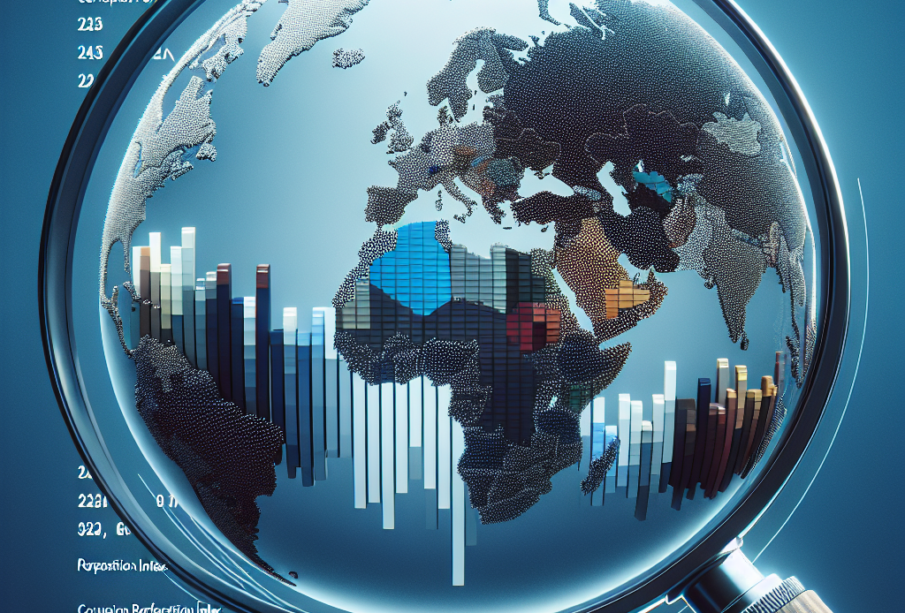
The Corruption Perceptions Index measures perceived levels of public sector corruption across various countries worldwide, providing a score that ranges from 0 (highly corrupt) to 100 (very clean). This index is crucial as it reflects the perceptions of businesspeople, analysts, and experts regarding corruption; thus, it acts as an indirect metric of corruption levels. Published annually since 1995, the CPI has become a pivotal tool for international organizations, policymakers, and researchers examining the health of democracies and institutions.
The methodology employed in crafting the CPI involves aggregating data from various surveys and assessments conducted by several reputable institutions. In 2025, the index has incorporated inputs from diverse sources, including the World Bank, the African Development Bank, and various regional assessments. This multi-faceted approach bolsters the index’s credibility, while also acknowledging that perceptions may differ based on varying criteria and cultural contexts. Consequently, the CPI isn’t just a reflection of corruption but also an insight into how governance impacts public trust and societal values.
The Influence of the CPI on Global Governance
The implications of the Corruption Perceptions Index extend far beyond rankings; the CPI influences global governance frameworks. Governments often face immense pressure to improve their CPI scores, leading them to implement anti-corruption measures, strengthen legal frameworks, and enhance transparency. For instance, countries that consistently rank lower on the index may experience decreased foreign direct investment (FDI), as investors often seek stable environments with minimal corruption. In 2025, the data indicates that nations with significant governance reform initiatives show a positive trajectory in their CPI rankings, highlighting the index’s role as a catalyst for change.
Furthermore, the CPI serves as a valuable tool for civil society and advocacy groups. By retaining a focus on corruption, these organizations can hold governments accountable, mobilizing collective action to demand reforms and transparency. In low-scoring countries, civil society plays a crucial role in raising awareness of corruption through campaigns, education, and engagement. As observed in 2025, grassroots movements have leveraged CPI findings to lobby for reforms and enhance public sector integrity, demonstrating that social awareness can contribute significantly to political change.
Regional Insights: The CPI in 2025
The 2025 CPI has revealed stark contrasts across regions, shedding light on the varied challenges and successes in combating corruption. In Europe and North America, the index reflects generally high scores, with many countries maintaining rigorous anti-corruption laws and practices. However, even within this category, there are discrepancies. For instance, while Scandinavian nations like Denmark and Sweden consistently score near the top, countries like Hungary have witnessed a notable decline in public trust, raising concerns about creeping authoritarianism and erosion of democratic principles.
In stark contrast, Sub-Saharan Africa continues to grapple with high levels of perceived corruption, with many nations scoring below 50 on the CPI. Countries like Somalia and South Sudan have faced systemic corruption that hampers legitimate governance and inhibits development. However, there are positive developments to report; nations such as Ghana and Botswana have made incremental progress, adopting anti-corruption frameworks that reflect a commitment to enhancing public sector integrity. The 2025 CPI emphasizes that while challenges persist, there are also stories of growth and resilience emerging across the region.
Asia presents its own complex narrative within the 2025 CPI landscape. While East Asian nations like Singapore and Japan typically score well due to stable governance and robust legal structures, South Asia remains a region of concern. Countries like Afghanistan and Bangladesh continue to face substantial corruption, hindering economic growth and social equity. Conversely, India, in recent years, has made strides in digital governance aimed at reducing corruption through increased transparency, which is an encouraging development highlighted in the latest CPI report.
The Role of Technology and Innovation in Combatting Corruption
As we move deeper into the digital age, technology plays a transformative role in combating corruption, and the CPI in 2025 reflects this evolution. Innovative solutions such as blockchain technology and digital platforms for public services are being harnessed to increase transparency and accountability in governmental processes. Countries like Estonia and Chile are leading the way, showcasing how e-governance can significantly mitigate corruption risks, hence positively impacting their CPI scores.
Moreover, citizen engagement platforms utilizing technology are empowering citizens to report corruption and demand accountability. Mobile applications and online portals are becoming increasingly popular, allowing ordinary individuals to report corruption anonymously and facilitate greater civic engagement. In alignment with the CPI data, nations that actively promote digital transparency report enhanced public trust, demonstrating that technology is not just a tool for efficiency but a powerful ally in the fight against corruption.
However, the implementation of technology is not without challenges. In regions with limited infrastructure or internet access, the digital divide poses significant hurdles to effectively combating corruption. Countries like Afghanistan and parts of Africa may lack the necessary resources to adopt advanced technologies that promote transparency, which can perpetuate systemic corruption. The CPI serves as a reminder that while technology offers promising solutions, equitable access and infrastructure development remain essential in creating an environment where these tools can be fully utilized.
Future Directions for the Corruption Perceptions Index
Looking ahead, the future of the Corruption Perceptions Index holds both challenges and opportunities. As global political dynamics shift, adapting the CPI to reflect contemporary issues becomes crucial. Increasingly, factors such as environmental sustainability and social justice are gaining prominence in discussions about governance and corruption. The need for improving the index to account for these emerging issues can provide a more holistic view of corruption’s impact on societies.
In light of pervasive misinformation and the digital ecosystem’s complexities, enhancing the CPI’s methodology will be vital. Future iterations of the index could benefit from integrating citizen feedback mechanisms directly into the data-gathering process, allowing for a broader understanding of public sentiment and experiences related to corruption. By harnessing citizen engagement alongside expert surveys, the CPI could take significant strides in accurately portraying the nuances of corruption as they relate to emerging global challenges.
Additionally, as nations worldwide strive for the United Nations’ Sustainable Development Goals (SDGs), the CPI will remain a critical resource for assessing the interplay between governance and sustainable development. Corruption poses a significant barrier to achieving these goals, making it imperative to explore collaborative solutions that unite governments, organizations, and communities. Emphasizing partnerships aimed at promoting transparency can lay the groundwork for achieving sustainable progress and positive change.
Conclusion
The Corruption Perceptions Index provides an insightful lens through which to view global politics in 2025. It illuminates the impacts of corruption on governance and societal trust while serving as a catalyst for reform in countries around the world. The index not only highlights the disparities across regions but also points to the potential of technology and citizen engagement in the fight against corruption. As we strive for more transparent and accountable governance, engaging with the CPI remains essential for shaping future policies and practices that promote integrity and trust in political institutions.
FAQs
What is the Corruption Perceptions Index (CPI)?
The Corruption Perceptions Index (CPI) measures perceived levels of public sector corruption in over 180 countries, providing a score from 0 (highly corrupt) to 100 (very clean) based on assessments by businesspeople, analysts, and experts.
Why is the CPI important?
The CPI serves as a critical measure for understanding how governance impacts public trust and societal values. It influences global governance, guides policies, and highlights progress or decline in efforts against corruption.
How does the CPI affect foreign investment?
Countries with higher CPI scores are generally seen as more stable and trustworthy, attracting more foreign direct investment (FDI). Conversely, low CPI scores can discourage investors due to perceived risks of corruption.
How can technology help combat corruption?
Technology plays a vital role by increasing transparency and accountability through digital governance, citizen engagement platforms, blockchain, and other innovative solutions that improve public sector integrity.
How can we improve the CPI in the future?
Future improvements to the CPI could include integrating emerging issues like climate change and social justice, incorporating citizen feedback into the methodology, and enhancing data accuracy to reflect the complex landscape of corruption.