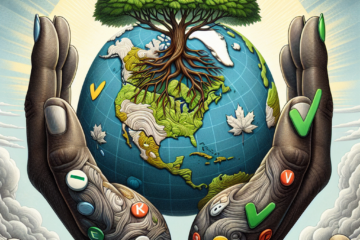
The Future of Democracy: Challenges and Opportunities Globally


The Future of Democracy: Challenges and Opportunities Globally
As we step into 2025, democracy around the globe stands at a crucial crossroads, requiring a resilient response to numerous challenges and reclaiming its potential for positive transformation. With rising populism, technological advancements, and an ever-evolving socio-political landscape, we face a moment that calls for introspection and renewal within democratic systems. This article delves into the challenges and opportunities that characterize the future of democracy, presenting an overview of current trends to inform and inspire proactive engagement in democratic processes worldwide.
The Rise of Authoritarianism and Its Implications
In recent years, the global political landscape has witnessed a concerning rise in authoritarianism, posing significant challenges to democracy. Nations that once prided themselves on liberal democratic ideals have seen increasing centralization of power, often justified by leaders as necessary for national stability or security. The consequences of these shifts are alarming: press freedoms are under assault, civil liberties are curtailed, and dissent is systematically crushed. In 2025, several countries, including the United States, Brazil, and Turkey, are grappling with leaders who challenge the checks and balances of their democratic institutions, raising critical questions about the future of governance and citizens’ rights.
This trend towards authoritarianism is not merely confined to traditional strongmen regimes; it extends to democratic nations swayed by populist movements. These movements often exploit economic disparities, social unrest, and discontent with existing governance structures. As a result, the democratic fabric of these societies risks fraying, as trust in electoral processes and institutions erodes. Understanding this dynamic is crucial for advocates of democracy, who must strategize on ways to counteract such trends and reinforce democratic principles in increasingly polarized political climates.
The Impact of Technology on Democratic Processes
Technological advancements are reshaping the contours of democracy, offering both unprecedented opportunities and notable challenges. The rise of social media, for example, has transformed how political campaigns are conducted and how citizens engage in civic discourse. In 2025, platforms like Facebook, Twitter, and newer players on the scene have become battlegrounds for ideas, where misinformation can spread as quickly as truthful narratives, threatening informed decision-making. This manipulation of technology has led to concerns over election integrity, fostering a climate of distrust in information sources that is detrimental to democracy.
On the flip side, technology can also empower democratic engagement and activism. Online platforms have amplified voices that were traditionally marginalized, enabling grassroots movements to organize and mobilize across borders. From climate change activists to human rights defenders, digital tools facilitate broader participation in the democratic process. However, for technology to serve as a catalyst for positive change, efforts must be made to develop regulatory frameworks that protect against misinformation and ensure equitable access to these resources. National and international cooperation is vital for harnessing technology’s potential while safeguarding democratic values.
The Role of Civic Education in Strengthening Democracy
Civic education emerges as a crucial pillar in fortifying democracy, especially in light of the contemporary challenges faced by nations globally. As we progress through 2025, it is increasingly evident that fostering a politically aware and active citizenry is essential for preserving democratic norms. Quality civic education programs can equip individuals with the necessary knowledge to navigate complex political landscapes, critically assess information, and participate in civic responsibilities. The absence of such education can lead to disengagement, leading to apathy towards electoral processes and a lack of accountability for political leaders.
Moreover, the social division prevalent in many societies can be addressed through comprehensive civic education initiatives that promote dialogue and understanding among diverse communities. By integrating civic education into school curricula and community programs, we can create environments where young citizens learn about their rights and the importance of active participation. Successful models from countries that prioritize civic education demonstrate the long-term benefits; these societies tend to have higher rates of voter participation and lower levels of political extremism. Investing in civic education is not merely an academic exercise; it is a necessity for ensuring a healthy democratic future.
The Importance of International Cooperation in Democracy Promotion
In a world increasingly interconnected through globalization, the promotion of democracy transcends national borders and necessitates international cooperation. In 2025, the implications of one nation’s democratic decline can resonate globally, making it imperative for countries to collaboratively address authoritarianism and human rights abuses. Multilateral organizations like the United Nations and regional alliances can play vital roles in safeguarding democratic values by facilitating dialogue, imposing sanctions where necessary, and providing support for civil society initiatives in struggling democracies.
International cooperation can also manifest through the sharing of best practices in governance, electoral processes, and civic engagement. Countries that have successfully navigated democratic transitions can serve as models for those currently facing challenges. Furthermore, as global challenges such as climate change and health crises often exacerbate democratic strains, cooperation in these arenas can help create a more stable environment for democracies to flourish. Collective action at a global level may prove essential in revitalizing stagnant democracies and fostering a culture of accountability and transparency.
The Potential of Youth Engagement in Democratic Futures
The youth demographic represents a vital force in shaping the future of democracy, with the potential to lead transformative change. By 2025, young individuals are becoming increasingly aware of socio-political issues and are utilizing technology to mobilize and advocate for their rights and beliefs. Movements like Fridays for Future and various global protests highlight the power of youth voice in holding leaders accountable. As these young leaders continue to emerge, they will likely redefine traditional political landscapes, demanding policies that reflect their values, such as climate justice and equity.
Meaningful engagement with young people can ensure that their perspectives and needs are represented in government policies. This engagement can take many forms, from youth councils to advocacy groups and grassroots movements, empowering them to take ownership of their futures. However, to effectively harness this potential, it is essential to create avenues for engagement that prioritize inclusivity and accessibility. Providing platforms for youth to influence policy will not only energize democratic processes but also encourage a generation committed to civic participation and social justice.
Conclusion
As we navigate the complexities of democracy in 2025, it is essential to recognize the myriad challenges and opportunities that lie ahead. The rise of authoritarianism and the transformative power of technology are just a few factors shaping this landscape. Civic education, international cooperation, and youth engagement stand as vital components in fortifying democratic ideals. By embracing these elements, societies can strive towards a more resilient and inclusive democratic future, where citizens are empowered to hold their leaders accountable and actively participate in governance.
FAQs
What are the main challenges to democracy globally in 2025?
The main challenges include rising authoritarianism, misinformation facilitated by technology, political polarization, and threats to civil liberties.
How is technology influencing the future of democracy?
Technology can both undermine and enhance democracy; while it can spread misinformation and deepen divides, it also empowers grassroots movements and increases civic engagement.
Why is civic education important for democracy?
Civic education strengthens democracy by equipping citizens with knowledge about rights and responsibilities, promoting informed participation, and fostering engagement in political processes.
What role can international cooperation play in democracy promotion?
International cooperation can foster dialogue, share best practices, and support civil society initiatives, contributing to the stabilization and promotion of democratic values globally.
How can youth contribute to the future of democracy?
Youth can shape democratic futures through advocacy, mobilization, and holding leaders accountable, leveraging technology and grassroots movements to effect change in policies and governance.