The Impact of Technology on Olympic Sports

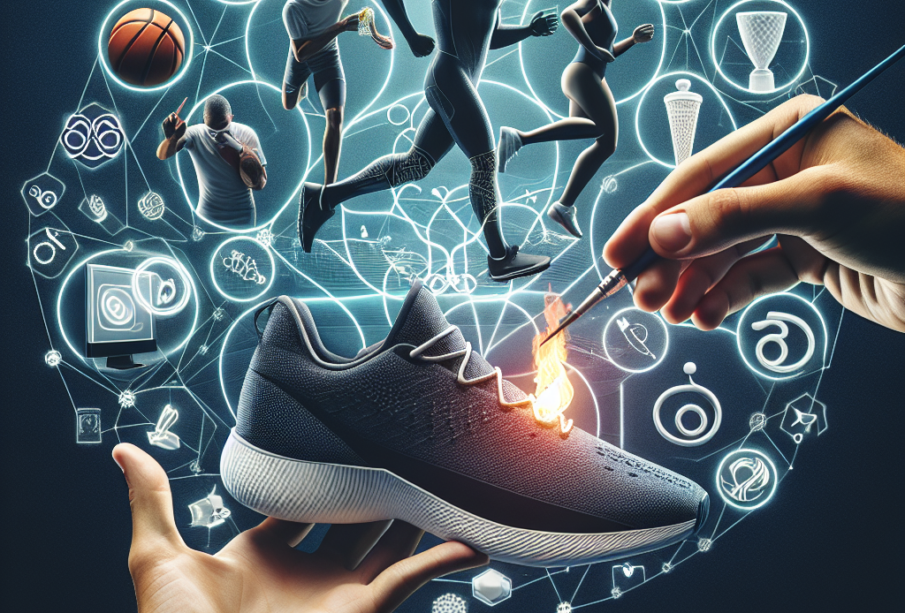
The Impact of Technology on Olympic Sports
The Olympic Games have always been a symbol of human achievement and athletic excellence. However, as we move further into 2025, the role of technology in Olympic sports has become more pivotal than ever. From cutting-edge training methods to innovative equipment, technology is reshaping the experience of athletes, coaches, and spectators alike. In this article, we will delve into the profound impact of technology on Olympic sports, exploring advancements in training, performance analysis, safety, and the overall viewer experience.
Advancements in Training Techniques
In 2025, Olympic athletes benefit immensely from technological advancements that enhance their training regimens. Wearable technology like smart sensors and biofeedback devices enable athletes to monitor their physiological metrics in real-time. These devices provide critical data on heart rate, muscle strain, and energy expenditure, allowing coaches to tailor training programs to the individual needs of each athlete. As a result, training regimens have become more responsive and optimized, reducing the risk of injury while maximizing performance potential.
Additionally, virtual reality (VR) and augmented reality (AR) have revolutionized training methods in Olympic sports. Athletes can immerse themselves in hyper-realistic simulations of their sporting environments, enabling them to practice techniques and strategies without the risk of physical strain. For example, a ski jumper can visualize their jump in a finely-tuned virtual environment, honing their skills and correcting form based on instant 3D feedback. The application of VR and AR in training has not only improved the skill sets of athletes but also enriched the mental aspect of competition, preparing them for high-pressure situations.
Performance Analysis and Data Analytics
As we enter the age of big data, performance analysis has become a critical component of Olympic sports in 2025. Advanced analytics tools are employed to process vast amounts of information collected during training sessions and competitions. Coaches and sports scientists analyze this data to detect patterns, strengths, and weaknesses in an athlete’s performance. This level of analysis allows for precision-targeted strategies that can be the difference between a medal and a non-podium finish.
Video analysis has also become increasingly integral to performance assessment. High-resolution cameras capture every minute detail of an athlete’s movements, enabling coaches to break down techniques frame by frame. This technology allows for immediate feedback, highlighting areas for improvement in biomechanics. Athletes receive crucial insights that can lead to improvements in performance, making data analytics an indispensable element in modern Olympic training.
Enhancements in Equipment Technology
The past few Olympic Games have witnessed a surge in technological innovations regarding sports equipment. From the design of swimsuits to the engineering of bicycles, technology has significantly impacted the materials and construction methodologies used in competitive gear. In 2025, we see more lightweight, durable, and aerodynamically optimized gear, enabling athletes to perform at peak efficiency.
Moreover, new materials like carbon fiber and advanced polymers are redefining performance standards in various sports. For example, specialized running shoes designed with integrated sensors track biomechanics, providing athletes with real-time feedback to improve their gait and speed. The synergy of technology and sporting equipment leads to enhanced performance and safety, as athletes can push boundaries with more reliable gear.
Another remarkable advancement is the use of aerodynamic surfaces in various sports. In disciplines like cycling and skiing, improved materials reduce drag, allowing athletes to achieve higher speeds with less effort. Chrono-suits for track and field athletes incorporate streamlined designs and temperature-regulating materials that optimize performance in varying weather conditions. These equipment enhancements exemplify how technology can provide athletes with a competitive edge.
Safety Innovations in Olympic Sports
Safety has always been a top priority in Olympic sports, and technology plays a crucial role in enhancing athlete safety in 2025. Concussion detection devices, developed using advanced sensor technology, allow medical staff to monitor athletes’ head impacts in real-time. These devices provide immediate insights into an athlete’s cognitive health, enabling a quick response to potential injuries and allowing for timely medical interventions.
In addition, advancements in protective gear significantly reduce the risk of injury in high-impact sports. Helmets designed with smart materials can absorb more shock and better protect against concussions. For instance, rugby helmets equipped with sensors provide real-time data on impact forces, giving coaches and medical teams crucial information while making decisions about an athlete’s continued participation.
Furthermore, advanced monitoring systems ensure that athletes are competing under safe conditions. Wearable health monitors track essential metrics like hydration levels, temperature, and fatigue, empowering coaches to make informed decisions about athlete welfare during intense competitions. These innovations underscore a commitment to safety, allowing athletes to unleash their full potential without compromising their health.
The Fan Experience and Technological Integration
The Olympic experience is not limited to athletes alone; technology has vastly enhanced the spectator experience, making the Games more engaging and interactive. In 2025, we observe a shift towards immersive experiences via augmented reality and virtual reality for fans attending the Games. Spectators can utilize AR applications on their devices to access real-time statistics, player information, and enhanced viewing angles directly from their smartphones.
Live-streaming technology has also transformed how fans engage with Olympic sports. High-definition broadcasts combined with 360-degree cameras allow viewers to experience the Games as though they were right at the heart of the action. Whether it’s swimming, track events, or gymnastics, fans can switch perspectives and even access in-depth analysis, making the viewing experience more educational and entertaining.
Moreover, social media integration during the Olympics is at an all-time high. Technology facilitates instant interaction between athletes and fans, as athletes share behind-the-scenes content, training updates, and personal stories through various platforms. This engagement fosters a deeper connection between champions and their supporters, enriching the cultural significance of the Olympic Games.
Conclusion
As we delve into 2025, the influence of technology on Olympic sports is undeniable and multifaceted. From advancements in training techniques and data analytics to innovative equipment designs and safety improvements, the landscape of Olympism is evolving rapidly. Technology not only enhances athletic performance but also enriches the fan experience, making the Games more accessible and engaging. In an era where every millisecond counts, the integration of technology is set to redefine the future of Olympic sports, pushing athletes to new heights while ensuring their safety and well-being.
FAQs
1. How has technology improved athlete training in Olympic sports?
Technology has introduced wearable devices that track physiological data and virtual reality simulations that allow athletes to improve their skills in a risk-free environment.
2. What role does data analytics play in Olympic sports?
Data analytics provides coaches with insights into athletes’ performance, allowing for personalized training programs and more accurate performance assessments.
3. How has equipment technology changed in recent Olympic Games?
Innovations such as advanced materials and design techniques have led to lighter, more aerodynamic, and efficient sporting equipment for athletes.
4. Are there any safety technologies implemented in Olympic sports?
Yes, advancements like concussion detection devices and impact-monitoring systems enhance athlete safety during training and competitions.
5. How has the fan experience been transformed by technology in the Olympics?
Technology has enabled immersive experiences through augmented reality, high-definition live-streaming, and social media interactions between athletes and fans.