
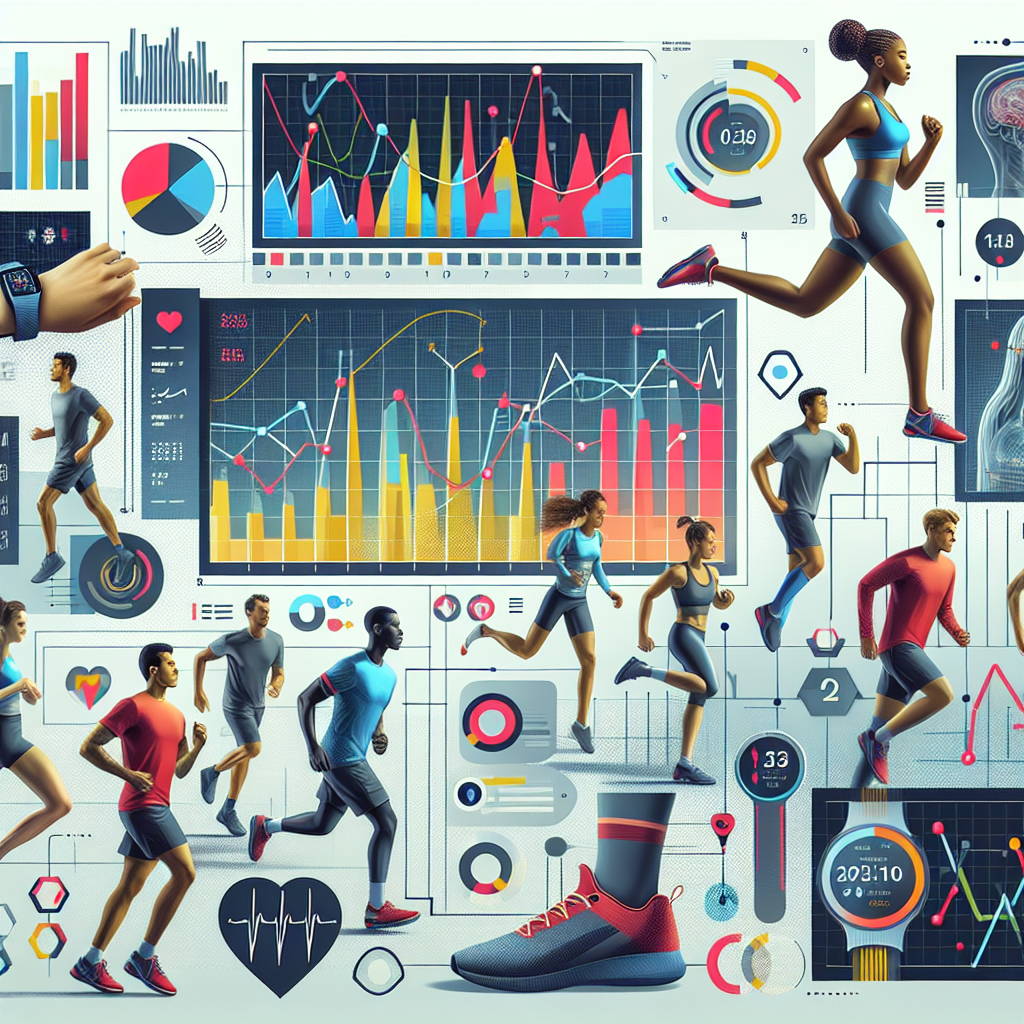
Understanding Biometric Data: Its Influence on Athlete Performance
Biometric data has emerged as a groundbreaking tool in the realm of sports, transforming how athletes optimize their performance. As we delve into 2025, it is crucial to explore how biometric data is utilized across various sports disciplines and how it significantly influences athlete training, recovery, and overall performance. This article will take a comprehensive look at biometric data, its applications in sports, and the ongoing advancements that enable athletes to reach their peak potential.
What is Biometric Data and Why is it Important for Athletes?
Biometric data refers to the measurable physical characteristics or behaviors of an individual, typically used for identification purposes. In the athletic context, it encompasses a wide range of data collected from the body, including heart rate, body temperature, oxygen consumption, muscle activity, and motion patterns. This wealth of information is harvested through various technologies such as wearables, fitness trackers, and advanced scientific equipment. The importance of biometric data in athletics cannot be overstated; it serves as a foundation for data-driven decision-making, allowing coaches and athletes to tailor training regimens to the individual’s specific needs.
With the advent of artificial intelligence and machine learning, the analysis of biometric data has become increasingly sophisticated. Coaches can now leverage this data to design personalized training programs aimed at enhancing performance. For instance, real-time heart rate monitoring can inform athletes when to push harder or back off to avoid injury. By understanding their body’s responses to various stimuli, athletes can optimize their training methods, leading to improved outcomes on the field or in the arena.
The Role of Biometric Data in Training Regimens
Training is a critical component of any athlete’s journey, and biometric data plays a pivotal role in shaping effective training regimens. By continuously tracking physiological metrics, athletes can gain insights into their performance and recovery patterns. For example, biometric data can reveal an athlete’s level of fatigue, helping coaches determine the optimal training load. This prevents overtraining, which can lead to injuries and burnout.
Moreover, biometric analysis can facilitate a more holistic approach to training. Athletes can monitor not only their physical exertion but also their psychological responses to training. This dual focus allows for the identification of mental fatigue or stress factors that may impede performance. By addressing both physical and mental demands, athletes can achieve a more balanced and sustainable approach to training, ultimately enhancing their performance during competitions.
Technological Advances in Biometric Data Collection
As of 2025, advancements in technology have significantly enhanced the collection and analysis of biometric data. Wearable devices have become more sophisticated, offering a plethora of metrics that were previously difficult to obtain. For instance, smart fabrics equipped with embedded sensors can monitor muscle activity and fatigue levels in real time. This data is invaluable for athletes looking to fine-tune their technique and improve their efficiency.
Furthermore, artificial intelligence algorithms are revolutionizing how this data is processed. Machine learning models can predict performance outcomes based on historical biometric data, enabling coaches to make informed decisions about training strategies. With these advanced analytics, coaches can correlate specific biometric markers with performance results, identifying key indicators of an athlete’s potential success or failure. This level of insight is invaluable for early detection of injury risks and making timely adjustments to training regimens.
Biometric Data and Recovery Strategies for Athletes
Recovery is an essential aspect of an athlete’s training cycle, and biometric data is instrumental in developing effective recovery strategies. Athletes are using real-time monitoring systems to evaluate their readiness to compete after intense training sessions or competitions. Metrics such as heart rate variability and sleep quality offer insights into recovery status, allowing athletes to make informed decisions about when to resume training or participate in competitions.
Moreover, advancements in technologies such as cryotherapy, hydrotherapy, and electrical stimulation devices are being guided by biometric data. For instance, if biometric metrics indicate excessive muscle strain or insufficient recovery time, athletes can adjust their recovery protocols, incorporating modalities that better suit their physiological needs. This personalized approach not only accelerates recovery but also enhances overall performance, as athletes can return to peak condition more quickly.
The Future of Biometric Data in Sports Performance
Looking ahead, the future of biometric data in sports performance is promising, with continuous innovations anticipated. We expect to see increased integration of biometric data into virtual and augmented reality training environments, allowing athletes to experience simulated scenarios while being monitored in real time. This will create unprecedented opportunities for skill development and situational awareness, further augmenting performance.
Additionally, advancements in data privacy and security will evolve alongside biometric technologies. As athletes entrust more personal information to these systems, ensuring the confidentiality and integrity of biometric data will be paramount. Better protocols and regulations will need to be established to protect athletes while consistently harnessing the potential of biometric data.
In conclusion, the influence of biometric data on athlete performance is profound and multi-faceted. As technology evolves, the ways in which athletes and coaches utilize this data will continue to expand, leading to revolutionary approaches to training, recovery, and performance enhancement. The integration of personalized biometric insights will not only enhance the competitive edge of athletes but also contribute to a greater understanding of human physiology in sports.
What is considered biometric data in sports?
Biometric data in sports typically includes metrics such as heart rate, body temperature, oxygen levels, blood pressure, sleep patterns, and muscle activity. These measurements can be collected through various wearable devices and sensors that track physiological and behavioral changes in athletes during training and competition.
How do athletes use biometric data to improve performance?
Athletes utilize biometric data to tailor their training programs based on individual needs, monitor recovery rates, and identify optimal training loads. By analyzing physiological responses, athletes can prevent injuries, enhance their skillset, and balance mental and physical fatigue.
What are some examples of biometric tracking technologies?
Examples of biometric tracking technologies include wearable fitness trackers, smart clothing with embedded sensors, heart rate monitors, recovery bands, and mobile apps that aggregate and analyze biometric data. These technologies enable real-time monitoring and provide actionable insights for athletes and coaches.
By embracing the power of biometric data, athletes in 2025 stand at the forefront of a revolution in sports performance, equipped with the tools and insights to push their boundaries and achieve greatness.