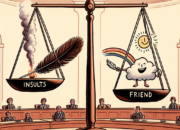
The Vital Role of Political Journalism in a Democratic Society
Political journalism plays a critical role in shaping democratic societies by informing citizens about governmental actions, policies, and elections. As we advance into 2025, the fight for press freedom has intensified, revealing the substantial impacts that political journalists can have on public discourse and governance. This article delves into the intricate relationship between political journalism and press freedom, highlighting its importance, challenges, and the ongoing struggle for independence in media representation.
Understanding Political Journalism: The Backbone of Democracy
Political journalism encompasses the reporting, analysis, and commentary related to politics, governance, and public policy. It serves as a bridge, connecting government actions to the populace while ensuring accountability among public officials. Journalists investigate political events, dig deep into the implications of policies, and provide a platform for diverse political voices. In 2025, the modern political landscape is continually evolving, influenced significantly by technological advancements and societal shifts, making the role of political journalism more critical than ever.
In an age characterized by social media and the rapid dissemination of information, political journalists face the dual challenge of navigating a polarized public sentiment while striving for factual reporting. The public relies heavily on these journalists to deliver accurate and timely news, as partisan outlets proliferate, often blurring the lines between news and opinion. As political journalism adapts to these dynamics, maintaining objectivity and trustworthiness remains crucial in ensuring a well-informed electorate.
The Threats Facing Political Journalism Today
Despite its pivotal role in upholding democracy, political journalism faces numerous threats, leading to concerns over press freedom. In 2025, authoritarian regimes and populist movements have weaponized misinformation, targeting journalists who challenge their narratives. Reporters have been subjected to harassment, intimidation, and legal action, all in attempts to suppress dissent and silence critical voices. The chilling effect of these actions not only endangers journalists’ safety but also deprives the public of essential information.
Additionally, economic pressures have forced many media outlets to downsize, resulting in fewer resources for investigative reporting. As the traditional business model for journalism continues to struggle, there’s a growing reliance on clickbait and sensationalism, which undermines the depth of political coverage. The decline in journalistic integrity can erode public trust, leading to skepticism about credible news sources and exacerbating the spread of misinformation. Addressing these challenges is essential to preserve the free and independent press that is vital for democracy.
The Global Fight for Press Freedom
As we navigate the era of 2025, the global fight for press freedom has gained renewed urgency, with numerous advocates and organizations rallying for reform. In many countries, journalists are imprisoned or face dire consequences for covering sensitive political issues. Groups like Reporters Without Borders and the Committee to Protect Journalists play a substantial role in highlighting these injustices, advocating for the protection of journalists and press freedom as fundamental human rights.
Internationally, movements advocating for press freedom have gained momentum, resulting in significant changes in policies in numerous countries. Countries such as Canada and Scandinavian nations have embraced initiatives to bolster media independence and promote journalistic integrity as part of their commitments to democratic principles. Public support for these movements has surged, indicating a collective recognition of the need for a vibrant press that can hold power accountable. Nonetheless, challenges persist, and journalists continue to risk their lives to expose corruption and human rights abuses, underscoring the urgency of this ongoing struggle.
Furthermore, the rise of media literacy initiatives in educational institutions aims to equip citizens with the tools to discern credible information from misinformation. By fostering critical thinking skills and encouraging independent investigation, these programs strive to create an informed public capable of engaging with political issues constructively. The interconnection between a free press and an educated populace is paramount in the fight for democracy, and it is crucial to emphasize both aspects as we move forward in 2025.
The Role of Technology in Political Journalism
Technological advancements have transformed political journalism, offering new avenues for reporting and audience engagement. The rise of digital platforms has enabled journalists to reach wider audiences, allowing for increased diversity in perspectives and opinions. Social media, in particular, has become a double-edged sword—while it provides journalists a direct line to their audience, it also facilitates the rapid spread of misinformation.
In 2025, innovative tools such as artificial intelligence and data analytics are enhancing the capabilities of political journalists. These technologies allow for more in-depth analysis of political trends, enabling reporters to uncover insights that were previously inaccessible. Investigative journalism has evolved with tools like data scraping and visualization, allowing journalists to present compelling narratives based on solid evidence. However, the reliance on technology also raises ethical questions regarding privacy and the manipulation of information, adding another layer of complexity to the field.
Moreover, the relationship between political journalism and technology has prompted debates about regulatory measures. As misinformation spreads rapidly online, journalists and tech companies are exploring strategies to counteract fake news narratives. Collaboration between media organizations and tech platforms strives to ensure the integrity of information shared online, promoting accountability in digital reporting.
Empowering Journalists Amidst Challenges
In the face of adversity, empowering journalists is crucial in the fight for press freedom. Training programs that focus on safety, ethics, and legal knowledge can equip journalists with the skills needed to navigate challenges while safeguarding their rights. Organizations are increasingly organizing workshops and resources designed to protect journalists from violence and censorship, fostering a culture of resilience and support.
Furthermore, public support for press freedom movements and awareness campaigns can help elevate the conversation around political journalism. The public’s demand for transparency, accountability, and ethical reporting can create an environment where journalists feel empowered to fulfill their roles as watchdogs of democracy. Engaging citizen participation in upholding press freedom reinforces the notion that a thriving democracy is contingent on a well-functioning media landscape.
Additionally, fostering partnerships among media outlets, advocacy groups, and academic institutions can create comprehensive support networks for journalists. By encouraging collaboration and resource sharing, these partnerships can enhance the capacity of journalists to address societal issues while maintaining high standards of reporting. The strength of political journalism lies in its collective efforts to uphold democratic values.
Conclusion
As we forge ahead into 2025, the intertwining of political journalism and press freedom continues to shape the democratic landscape. While challenges abound—including rising authoritarianism, economic pressures, and misinformation—there remains a steadfast commitment to safeguarding journalistic independence. The accountability of governments, informed citizen engagement, and the protection of reporters form the pillars of a flourishing democracy. By addressing these challenges head-on and embracing advances in technology, the future of political journalism can secure a brighter, more informed path for society.
FAQs
What is the relationship between political journalism and democracy?
Political journalism provides critical information to the public, ensuring accountability in governance, shaping public opinion, and facilitating informed decision-making, all of which are essential for a functioning democracy.
What challenges do political journalists face today?
Political journalists face threats from authoritarian regimes, economic pressures impacting media outlets, and the proliferation of misinformation, which challenges their effectiveness and safety.
How can the public support press freedom?
The public can support press freedom by advocating for journalists’ rights, engaging with credible news sources, and participating in movements promoting transparency and accountability in governance.
What role does technology play in political journalism?
Technology has transformed political journalism by expanding reach and reporting capabilities, allowing for more analytical and engaging storytelling, while also introducing new challenges related to misinformation and ethics.
What organizations are fighting for press freedom?
Organizations such as Reporters Without Borders and the Committee to Protect Journalists work to advocate for journalists’ rights, raise awareness of press freedom issues, and provide support to media professionals globally.