Introduction
Commentating on live events presents an exhilarating yet demanding experience for sports commentators, broadcasters, and journalists. As we step into the year 2025, the dynamic landscape of media continues to evolve, introducing new technologies and expectations. The challenges of commentating on live events have intensified, as commentators must navigate real-time analytics, cultivate audience engagement, and uphold a profound understanding of the sport being covered. This article delves deep into the multifaceted challenges that commentators face while delivering engaging and informative commentary during live events.
Understanding the Technical Challenges of Live Commentary
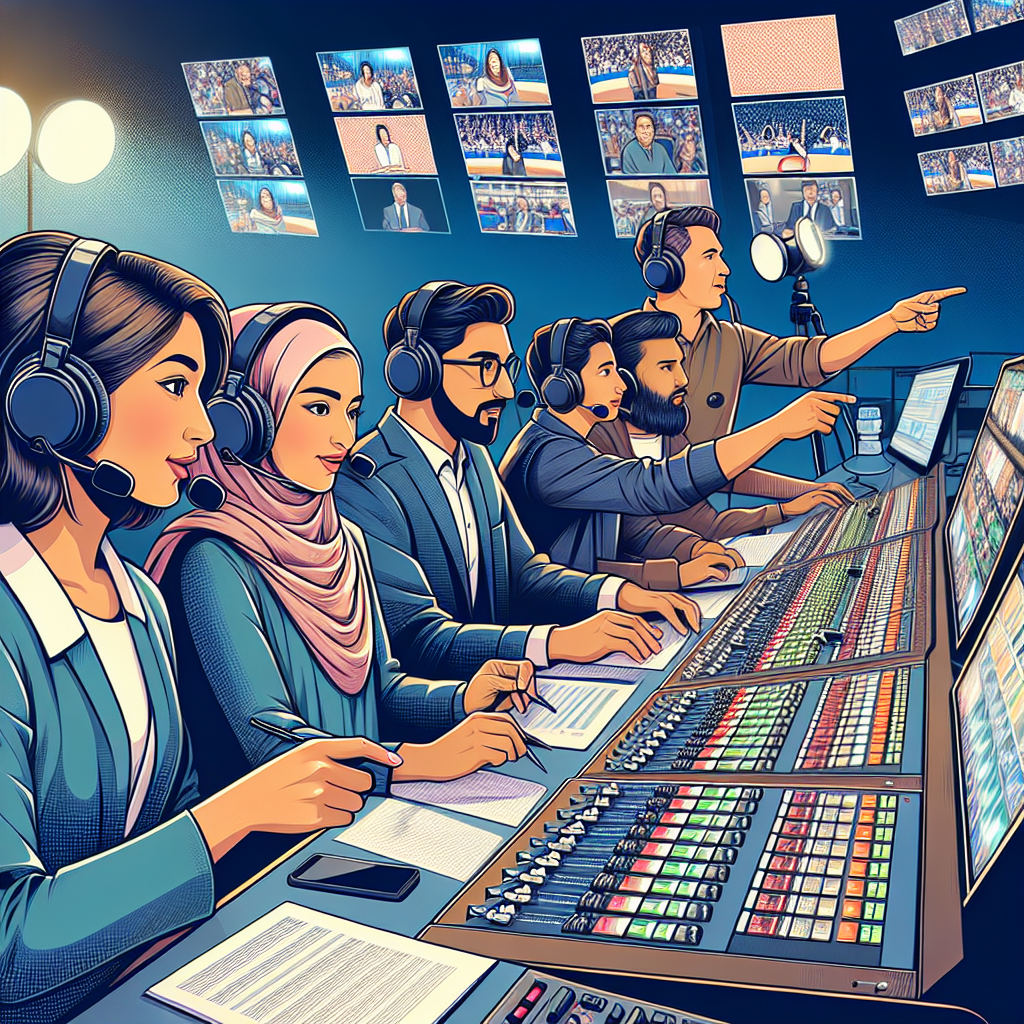
In the realm of live event commentary, technical challenges are omnipresent. As the year 2025 dawns, advancements in technology mean that commentators are expected to adapt quickly to new broadcasting tools and platforms. The increasing complexity of broadcasting equipment—ranging from high-definition cameras to sophisticated sound systems—requires commentators to possess a refined technical acumen. Issues such as lag time, audio feed disruptions, or image quality losses can disrupt the flow of commentary and lead to misunderstandings or missed opportunities to engage the audience. Technical proficiency not only enhances the viewing experience but is critical for timely and coherent narration.
Moreover, live streaming has proliferated, leading to a diverse range of platforms catering to various audiences. Commentators must adapt their style and content to appeal to different demographics while maintaining consistency in performance. The rise of social media as a second screen has introduced another layer of complexity. Commentators need to monitor live tweets, comments, and posts while delivering their narrative. This multitasking can detract from focus and cohesion in live commentary, making the ability to quickly synthesize information essential.
Engaging the Audience in Real Time
Another significant challenge in live event commentary is effectively engaging the audience in real time. As viewer preferences evolve, the expectation is to deliver a captivating and immersive experience. In 2025, audiences are more tech-savvy and have access to instant information, statistics, and analysis via smartphones and tablets. Consequently, commentators must not only convey the unfolding action but also provide insightful analysis, trivia, and context to keep viewers engaged.
Maintaining viewer interest necessitates a deep understanding of audience psychology. Commentators need to gauge the mood of the crowd, identify hot topics trending on social media, and respond dynamically. This sometimes means pivoting commentary to align with audience sentiment, balancing enthusiasm and critical analysis. Striking this balance can be daunting, especially during high-stakes moments or unexpected events, during which commentators must remain composed and articulate.
The Pressure of Real-Time Decision Making
One of the most pronounced challenges that commentators face is the pressure of real-time decision-making. Each live event has its unique rhythm, and commentators must be prepared to adapt quickly, often with very little notice. This pressure is magnified by the audience’s immediate reactions and opinions on social media platforms, which can create a palpable atmosphere of accountability. For commentators, every statement made can be scrutinized and debated, making the need for precision and thoughtfulness paramount.
In 2025, data analytics tools have become more sophisticated, allowing commentators to access data-driven insights in real time. While this enhances the quality of commentary, it also poses additional pressure. Commentators need to process statistics, player performance metrics, and historical data while narrating the live event—often under time constraints. Misinterpretations or errors can lead to misinformation being broadcast, affecting audience perception and potentially damaging reputations.
The fast-paced nature of sports also means that commentators may have to quickly source background information or context about players, teams, or incidents that emerge unexpectedly. Successfully engaging with these spontaneous developments requires deep familiarity with the subject matter and a quick wit to transition seamlessly from one topic to the next.
Balancing Personal Style with Professionalism
Finding the right balance between personal style and professionalism is another intricate challenge for live event commentators. The landscape of sports commentary is continually shifting, with audiences favoring authentic and relatable commentary styles. Yet, maintaining professionalism is critical, particularly in high-stakes situations. The expectation of being dynamically engaging while remaining respectful and thoughtful often puts commentators in precarious positions.
As of 2025, the rise of “influencer commentators” has also marked a notable shift in the industry, where personalities with a strong social media presence are often preferred over traditional sports analysts. While this trend can introduce fresh perspectives and diverse voices, it places pressure on established commentators to cater to changing tastes while retaining their unique voices. Striking this equilibrium can be daunting, as they must authenticate their perspectives without compromising their authority and credibility.
Maintaining a personal connection with the audience while respecting the sport and all participants—a balance that commentary calls for—requires deft navigation. Authenticity attracts viewership, consequently increasing demand for a more personal narrative, where bold opinions and behind-the-scenes insights are welcomed. However, this can lead to the risk of alienating traditional fans who expect a more classic commentary style.
The Emotional and Mental Toll of Live Commentary
The emotional and mental toll of commentating on live events cannot be understated. As commentators engage with dynamic environments filled with high stakes, the stress of delivering instant analysis in both critical moments and lighter instances can be taxing. The adrenaline rush during live events can lead to burnout, necessitating a strong support system and coping strategies to mitigate the negative impact of high-pressure commentary environments.
As technology evolves, so does the expectation of around-the-clock readiness. Many professional commentators find themselves juggling multiple responsibilities, from post-event analysis to social media engagement. In 2025, this has been exacerbated by the 24-hour news cycle, leaving little time for rest. The feeling of needing to be ‘always on’ can have far-reaching implications for mental health, leading to anxiety and work-life balance challenges.
Moreover, commentators often face the emotional turbulence that accompanies competitive sports and live events. The ability to remain neutral and objective while narrating moments of extreme joy or heartbreak is a skill that requires considerable mental fortitude. Developing strategies to process and convey these emotions effectively, while maintaining broadcaster decorum, is essential for any commentator striving to make a mark in the industry.
Conclusion
The challenges of commentating on live events in 2025 are multifaceted, requiring a mix of technical prowess, audience engagement skills, real-time decision-making, and a balance between authenticity and professionalism. As technology continues to evolve, so too must commentators remain agile and adaptable to meet increasing viewer expectations. The emotional and psychological toll of the job underscores the importance of self-care and support among peers in this demanding profession. Bountiful opportunities exist for those willing to tackle these challenges head-on, ensuring the world of live commentary remains vibrant and inspiring.
FAQs Section
What are the main challenges faced by live sports commentators?
Live sports commentators face numerous challenges, including technical difficulties, the need to engage audiences in real time, making instant decisions, balancing personal style with professionalism, and managing the emotional and mental toll of high-stakes environments.
How can commentators improve their audience engagement during live events?
Commentators can improve audience engagement by actively monitoring social media trends, responding to viewer sentiments, delivering insightful analysis, and adapting content to suit different demographics while ensuring the narrative remains cohesive.
What role does technology play in modern sports commentary?
Technology plays a crucial role in modern sports commentary by providing real-time data, enhancing the quality of broadcasts, and expanding the platforms through which commentary is delivered. Commentators must be adept at utilizing these technological advancements to enhance the viewing experience.
How do commentators handle the stress of live event commentary?
Commentators handle the stress of live event commentary by developing coping strategies, maintaining a strong support system, and prioritizing mental health. Regular self-care practices and finding a work-life balance are essential for managing the pressures of the profession.
Why is professionalism important in sports commentary?
Professionalism is crucial in sports commentary as it upholds the integrity of the sport, assures accuracy in reporting, and fosters a respectful environment for athletes and fans alike. It enhances credibility and builds trust with the audience.