Exploring the Impact of the Watergate Scandal on Modern Politics
Exploring the Impact of the Watergate Scandal on Modern Politics
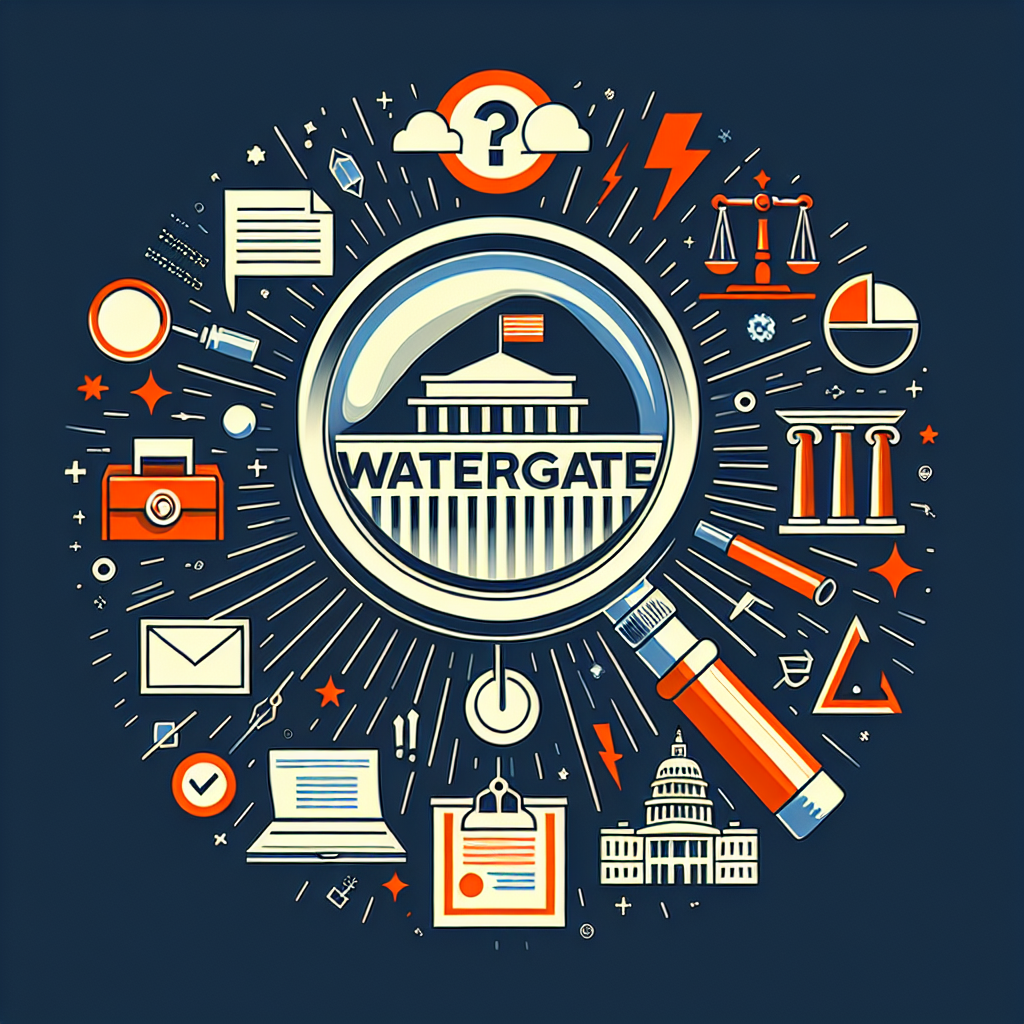
The Watergate scandal remains one of the most significant political events in American history, its effects resonating throughout the decades and shaping the landscape of modern politics. While the scandal itself occurred in the early 1970s, its implications have extended into the current political climate, influencing the ways in which citizens engage with government, the media’s role in accountability, and the overall trust in political institutions. This article will explore the various dimensions of how the Watergate scandal has impacted modern politics, with insights into political accountability, media scrutiny, and citizen engagement in 2025.
The Legacy of the Watergate Scandal
The Watergate scandal was a watershed moment in American politics, representing a profound breach of trust between the government and the American people. The scandal began with a break-in at the Democratic National Committee headquarters and spiraled into a series of cover-ups that involved high-ranking officials in President Nixon’s administration. The exposure of these events led to extensive investigations that uncovered a culture of secrecy and abuse of power. As a result, the Nixon presidency ended in resignation, transforming political accountability standards within the U.S.
Today, the legacy of Watergate continues to inform our expectations of political leaders. As investigations into misconduct become more complex, the standards for transparency and accountability have evolved. The revelations from this scandal made it clear that elected officials are not above the law, leading to more stringent regulations around campaign financing and governmental ethics. Modern day politicians are acutely aware of how swiftly public opinion can turn against them due to perceived corrupt practices, which has resulted in stricter adherence to ethical guidelines and enhanced oversight.
Media Influence Post-Watergate
The Watergate scandal significantly transformed the role of the media in American politics, establishing journalists as watchdogs of government power. The investigative reporting by Bob Woodward and Carl Bernstein of The Washington Post exemplified how the press could hold powerful figures accountable. Their efforts not only led to criminal convictions but also inspired a generation of journalists committed to unveiling corruption. This increasing obligation to provide checks on governmental authority marked the creation of a more critical, fearless media landscape.
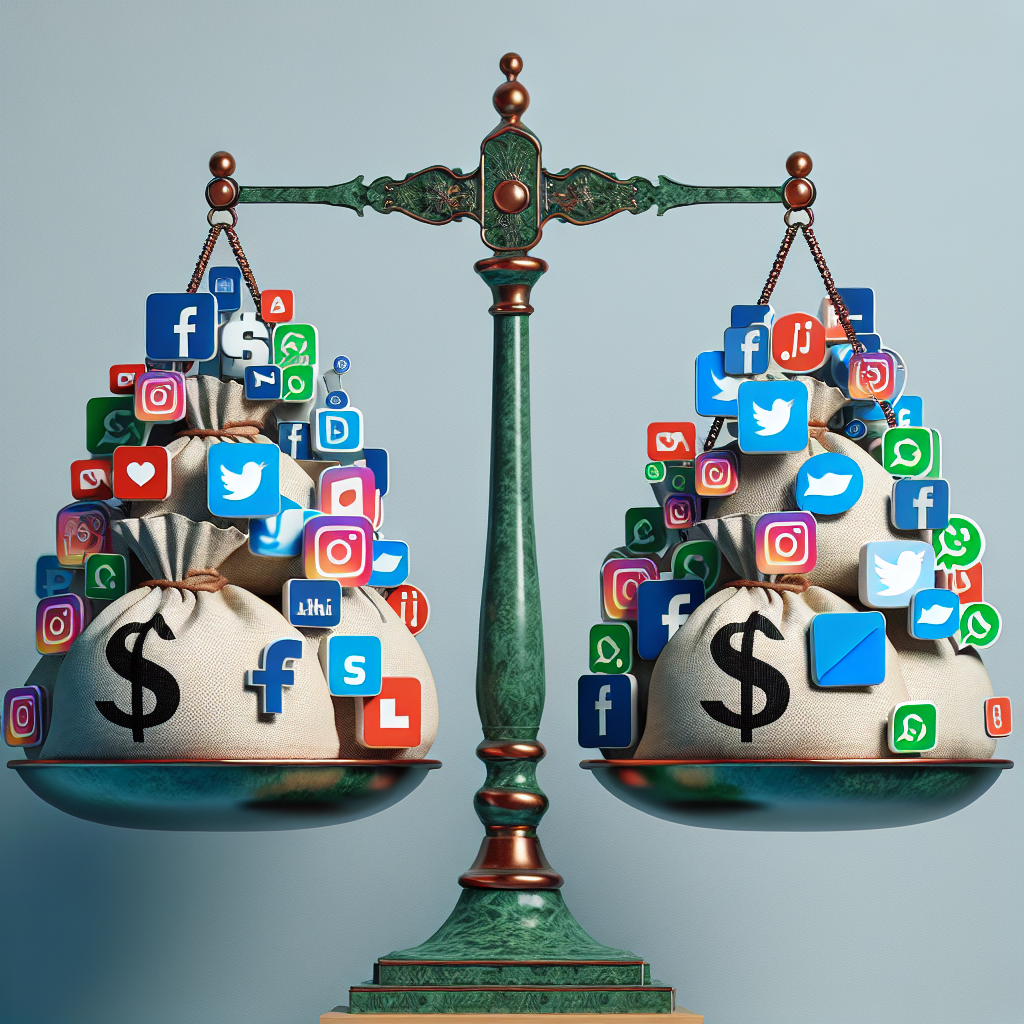
In 2025, we see these themes playing out in today’s digital news environment. The rise of social media and alternative news platforms has both challenged traditional assumptions about journalistic integrity while also creating a new frontier for investigative reporting. Audiences are now more engaged than ever, with platforms allowing citizens to participate in holding government accountable. However, this comes with the risk of misinformation and disinformation, which complicates the media’s role. Thus, while the Watergate scandal reinforced the media’s function in accountability, the evolution of media dynamics since then underlines the complexities of this relationship in contemporary politics.
The Changing Nature of Political Engagement
The aftermath of the Watergate scandal instigated a reevaluation of civic engagement among American citizens. Dissatisfaction with government and political leaders reached an apex in the 1970s, leading to greater political activism and grassroots organizing. Citizens became more aware of the influence of their voices on governmental processes, and this shift has manifested in various forms, including advocacy movements, participation in elections, and civic discourse.
Fast forward to 2025, and this trend has only intensified. The accessibility of information and digital tools has empowered individuals to engage directly in political processes. Campaigns harness social media in unprecedented ways, allowing citizens to influence decision-making even beyond the ballots. Grassroots movements have gained momentum, focusing on issues such as climate change, social justice, and healthcare reform. These platforms offer avenues for collective action and the understanding that democratic participation plays a crucial role in shaping policies.
Yet, the impact of Watergate on civic engagement also raises considerations regarding disenfranchisement and apathy. While many are inspired to act, others, disillusioned by political gridlock and corruption, grow disengaged. The challenge, as we look toward the future of American politics, lies in fostering a political culture that encourages active participation while simultaneously addressing the concerns individuals have about governmental accountability.
The Watergate Effect on Political Institutions
The Watergate scandal’s influence extends beyond public perception; it also radically altered the framework of American political institutions. The scandal prompted a series of reforms that aimed to curtail the abuse of power and increase governmental transparency. Legislative changes such as the Federal Election Campaign Act and the establishment of the Congressional Budget Office were direct responses to address equity and oversight in politics.
In 2025, we witness the legacy of these reforms in ongoing debates about institutional integrity. Laws governing campaign financing and lobbying practices continue to spark discourse, reflecting the ongoing struggle to balance the influence of money in politics with the ideal of democratic representation. Additionally, the establishment of independent oversight bodies has become commonplace, aimed at reducing partisan influence and enhancing accountability within political institutions.
The Watergate effect can also be seen in the relationship between the branches of government. The crisis led to greater assertions of power by Congress and the courts, cultivating a system of checks and balances that actively resists potential abuses of power. As political polarization increases in the current climate, the robustness of these institutions is vital in upholding democratic principles.
Trust in Government and Political Disillusionment
The ramifications of the Watergate scandal on trust in government cannot be overstated. The public’s reaction to the revelations of corruption and deceit during Nixon’s tenure has instilled a skeptical lens through which citizens view their political leaders. Over the years, this skepticism has morphed into a pervasive disillusionment with the government and its institutions.
Fast forward to 2025, and data consistently show a declining trust in government among the American populace. Various polls indicate that a significant portion of citizens feel marginalized, leading to a belief that government does not serve the interests of the common person. The complexities of political scandals, as seen recently in high-profile investigations against both Republican and Democratic figures, further entrench this mindset. Such sentiment poses a significant challenge, as disillusionment can lead to apathy in civic engagement and participation.
To combat this skepticism, initiatives aimed at restoring trust in governmental institutions are essential. Moreover, understanding the impact of Watergate on modern perceptions of political authority and accountability can offer critical insights into the necessary steps to alleviate these concerns. Restoring faith in government is not merely about transparency; it involves fostering a political environment that encourages dialogue, participation, and a genuine connection between citizens and their representatives.
Conclusion
In summary, the Watergate scandal was a pivotal event that has left a lasting mark on American politics, influencing aspects ranging from accountability and media relations to civic engagement and trust in government. Its legacy continues to resonate as society grapples with the implications of governmental abuse and the role of citizens in a democratic framework. Understanding this influence is not only crucial for comprehending the modern political landscape but also for fostering a more informed and engaged public, capable of holding its leaders accountable in the years to come.
FAQs
What was the Watergate scandal?
The Watergate scandal was a political scandal involving a break-in at the Democratic National Committee headquarters, leading to a series of cover-ups by President Nixon’s administration that ultimately resulted in his resignation.
How did Watergate affect media practices?
Watergate transformed the media’s role into that of a watchdog and established a precedent for investigative journalism. Journalists became essential in uncovering governmental corruption and ensuring political accountability.
What was the impact of Watergate on public trust in government?
The Watergate scandal significantly eroded public trust in government institutions, resulting in widespread skepticism and disillusionment that still affects political engagement today.
How has civic engagement changed since Watergate?
Civic engagement has evolved to include greater activism and participation due to increased awareness and empowerment of citizens, driven by both historical events and modern digital platforms.
What reforms were a result of the Watergate scandal?
The Watergate scandal led to important reforms, including changes to campaign finance laws, the establishment of independent oversight bodies, and greater legislative measures aimed at enhancing governmental transparency.