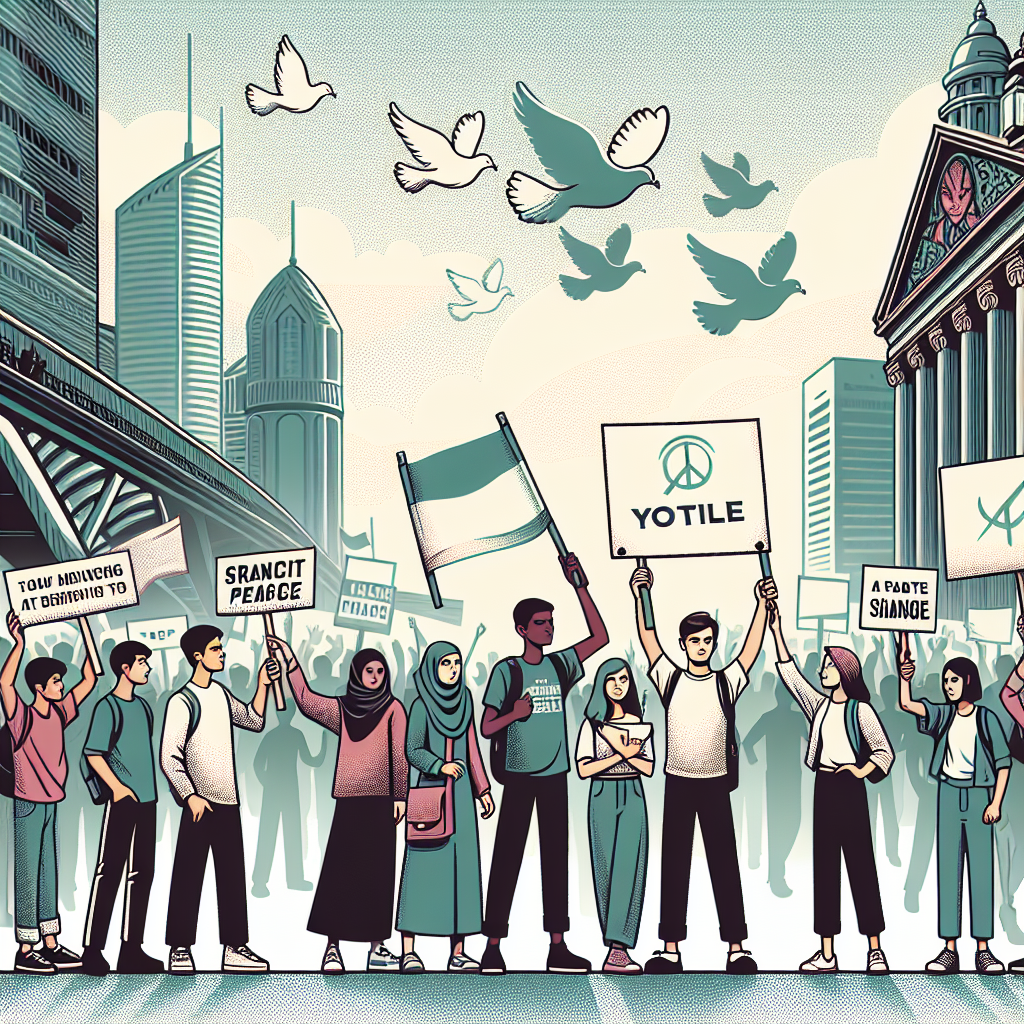
The Role of Youth Activism in Political Change
In 2025, we witness a profound evolution in the landscape of political change across the globe, significantly influenced by the passion and dedication of youth activists. The role of youth activism cannot be underestimated, as young people increasingly mobilize around pressing social issues such as climate change, racial equality, and democratic rights. Their unique perspectives, combined with the power of digital platforms, position them as a formidable force in shaping the political climate of our times. This article will delve into the multifaceted contributions of youth activism, demonstrating its vital importance in driving significant political change.
The Power of Youth Movements in Global Politics
Youth movements have historically been catalysts for change, and this trend persists into 2025. Generation Z and Millennials, born into a world of rapid technological advancement and socio-political upheaval, are increasingly aware of their rights and responsibilities. The immediacy of global issues like climate change and systemic inequality compels young people to take action, and their ability to organize and communicate effectively has transformed traditional political processes. Movements like Fridays for Future and Black Lives Matter have not only sparked national dialogues but have also influenced policymakers at various levels.
In the digital age, youth activism transcends geographical boundaries, allowing young people from diverse backgrounds to unite for common causes. Platforms like TikTok, Instagram, and Twitter have become strategic tools for activism, enabling youth to share their messages, mobilize supporters, and raise awareness about critical issues. The ability to create viral content has provided youth activists with unprecedented influence, demonstrating that their voices can reach millions and hold governments accountable.
Challenges Faced by Youth Activists in Political Change
While youth activism plays an instrumental role in driving political change, it is not without its challenges. One of the significant barriers young activists face is the skepticism and dismissal of their efforts by older generations and political leaders. The perception that youth are “too inexperienced” or “naive” can undermine their credibility, making it difficult for them to be taken seriously in political conversations. This generational divide poses a challenge for young activists as they strive to establish themselves as credible voices in public discourse.
Additionally, youth activists often deal with limited resources compared to established political organizations. Many young people lack access to funding, mentorship, and training, which can hinder their ability to sustain long-term campaigns. Despite these limitations, youth continue to innovate and find creative solutions to mobilize support, such as leveraging crowdfunding campaigns, forming coalitions with like-minded organizations, and utilizing social media to build grassroots movements.
Success Stories of Youth Activism Shaping Political Landscapes
The impact of youth activism is evident in numerous successful campaigns that have reshaped political landscapes in recent years. One notable example is the climate action movement initiated by Greta Thunberg and her followers, which galvanized global awareness about climate change. By organizing climate strikes and challenging world leaders to take action, youth have not only impacted policies but have also shifted public perception on environmental issues. By 2025, many countries have adopted stricter environmental regulations, largely influenced by the passionate demands of the younger generation.
Another remarkable success story is the fight for racial justice led by young activists. Following the renewed focus on systemic racism and police brutality, youth involvement in movements such as Black Lives Matter has resulted in significant legislative changes in various regions. From police reform initiatives to broader discussions about equity and justice, the efforts of youth activists have been pivotal in pushing these societal issues to the forefront of political agendas.
Furthermore, in 2025, it’s evident that youth activism has significantly influenced voting patterns and civic engagement among young voters. Initiatives driven by youth organizations have successfully registered millions of young voters, boosting participation in elections and ensuring that their voices are heard. Through rallies, educational campaigns, and community outreach, young activists are not only mobilizing their peers but are also shaping the future of democracy in their countries.
The Role of Technology in Amplifying Youth Activism
In recent years, technology has played a transformative role in enhancing the effectiveness of youth activism. In 2025, social media platforms continue to serve as crucial avenues for information dissemination and mobilization. Through concise and engaging content, young activists can share their messages rapidly and effectively, reaching wider audiences and attracting allies globally. The integration of multimedia, such as videos and infographics, captures attention and conveys complex messages in accessible formats.
Moreover, the emergence of decentralized communication tools, such as blockchain technology and secure messaging apps, has empowered activists to organize without fear of censorship or surveillance. This technological autonomy allows young people to strategize, coordinate events, and create secure channels for discussions while circumventing potential governmental crackdowns on traditional gathering methods. The rise of virtual conferences and digital advocacy also provides young activists with a platform to showcase their efforts and collaborate with international counterparts.
However, while technology offers immense advantages, it also presents significant challenges. Issues such as misinformation, digital surveillance, and online harassment can detract from the potential benefits of activist strategies. Young activists must navigate these complex online dynamics, ensuring that their messages remain authentic while also countering false narratives that may undermine their efforts.
The Future of Youth Activism: Trends and Predictions
Looking beyond 2025, several trends are emerging that will likely shape the future of youth activism. Firstly, as climate change continues to pose a dire threat to global stability, we can expect youth-led initiatives to gain further momentum. The current generation’s unprecedented engagement with environmental issues will likely drive further innovations in sustainable practices, political advocacy, and technological solutions to climate change, with young leaders taking the reins in shaping eco-friendly policies.
Additionally, the intersectionality of various social issues suggests that future youth activism will adopt a more holistic approach, addressing overlapping concerns such as gender equality, economic justice, and health rights. As younger generations become more aware of the interconnectedness of these issues, collaborative efforts amongst diverse activist groups may strengthen their collective impact, leading to comprehensive reforms.
Finally, the emergence of new communication technologies will continue to shape the landscape of activism. As platforms evolve, opportunities for youth to engage and influence political discourse will expand. The potential for virtual reality activism, immersive storytelling, and artificial intelligence-assisted campaigns presents numerous avenues for engaging a wider audience and fostering a more profound understanding of pressing societal issues.
Conclusion
Youth activism has decisively influenced the landscape of political change in 2025. The determination, creativity, and resilience of young activists have led to significant successes in various movements, from climate action to social justice. Despite facing challenges, they leverage technology and their unique perspectives to navigate the political arena, driving crucial conversations and policy reforms. As the future unfolds, the continued evolution of youth activism will play a pivotal role in shaping a more equitable, just, and sustainable world, ensuring that the voices of younger generations remain at the forefront of political change.
FAQs
What is youth activism?
Youth activism refers to the efforts of young individuals or groups advocating for social, political, and environmental change. This encompasses a range of activities, including protests, awareness campaigns, and community organizing, often targeting pressing issues that affect their lives and future.
How has youth activism influenced political change?
Youth activism has significantly influenced political change by mobilizing young people to advocate for issues like climate change, racial justice, and equity. Their organized efforts have led to meaningful dialogue, legislative changes, and increased voter engagement, reshaping political agendas in various regions.
Why is technology important for youth activism?
Technology plays a crucial role in youth activism by enabling rapid organization, communication, and dissemination of information. Social media platforms allow young activists to reach wider audiences, garner support, and amplify their messages effectively, making technological engagement essential in modern activism efforts.
What challenges do youth activists face?
Youth activists encounter various challenges, such as skepticism from older generations, limited resources, and the spread of misinformation. Additionally, they often face digital surveillance and online harassment, which can hinder their effectiveness and limit their participation in activism.
How can the public support youth activism?
The public can support youth activism by amplifying their voices, participating in campaigns, volunteering, donating to youth-led organizations, and fostering dialogues around pressing social issues. Encouraging civic engagement and voting participation among young people also strengthens their impact in shaping the political landscape.