Introduction
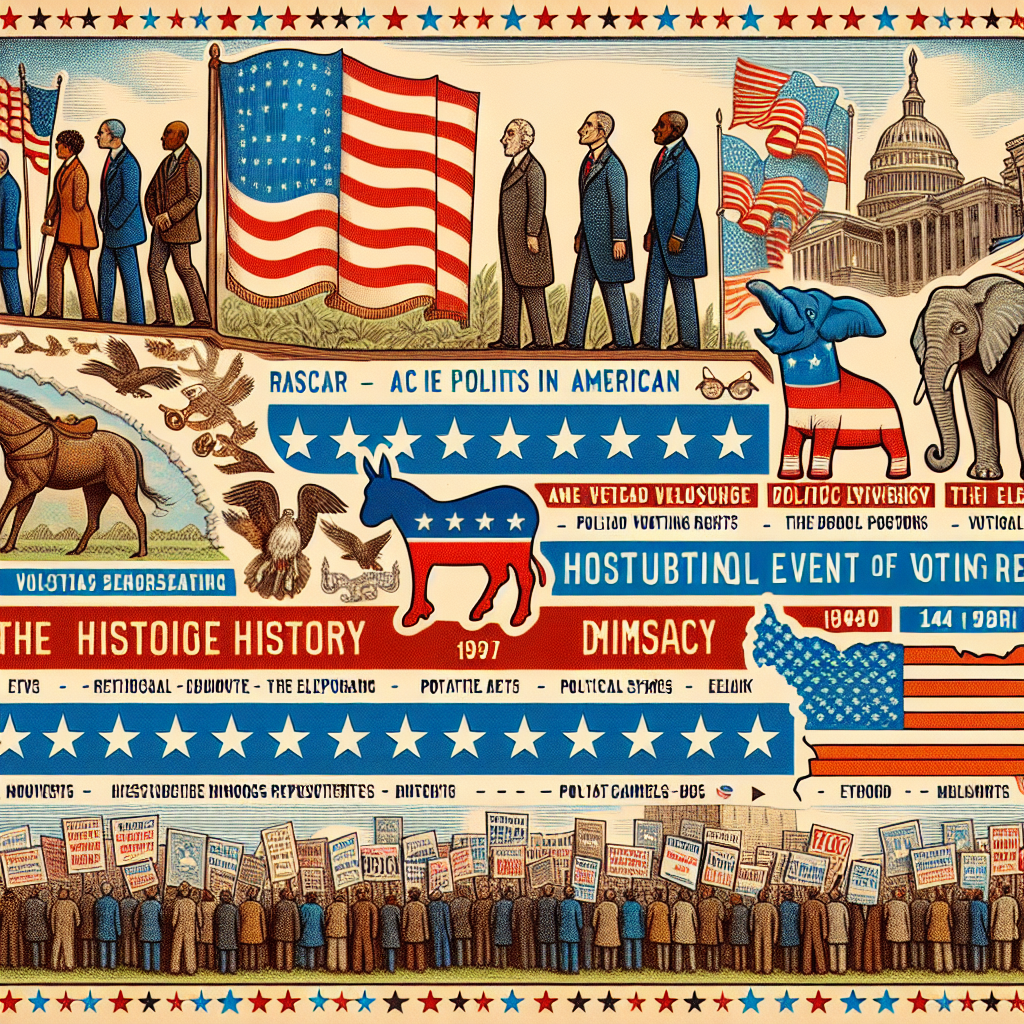
The intersection of race and politics has profoundly shaped the American electorate throughout history. This intricate relationship has influenced voting patterns, party identities, and social movements, reflecting the broader societal struggles for equality and representation. In 2025, as the U.S. grapples with ongoing debates about race and identity, it becomes imperative to reflect on the historical underpinnings that have led to the current political landscape. This article delves into the historical perspective of race and politics in America, uncovering how these dynamics have evolved and continue to impact the electorate today.
The Early Days: Race and Political Formation
The political landscape of early America was deeply intertwined with race from the very beginning. The founding of the United States coincided with the institution of slavery and the marginalization of Indigenous peoples. As political parties formed, they often reflected social hierarchies that prioritized white landowners’ interests. The Federalists, for instance, championed a strong central government that aligned with the interests of elite white citizens, while the Democratic-Republicans emerged as a response, appealing more to agrarian, often Southern, white men.
Throughout the 19th century, the politics of race became increasingly contentious. The Missouri Compromise of 1820 and the Kansas-Nebraska Act of 1854 exemplified how race dictated political alignments and territorial expansion. Debates over slavery not only marked the division between North and South, leading to the Civil War, but also laid the groundwork for the Reconstruction era, a complex and often violent attempt to integrate formerly enslaved people into the political fabric of the nation.
The Reconstruction Era and Its Aftermath
The Reconstruction era (1865-1877) represented a critical juncture in racial politics, aimed at reconstructing the South and granting African Americans civil rights and political representation. The passage of the 14th and 15th Amendments sought to embed these rights into the Constitution. African American men began to participate in politics, with numerous serving in state legislatures and even Congress. However, this progress was met with fierce resistance from white supremacist groups, leading to the establishment of Black Codes designed to suppress black political power.
The political gains made during Reconstruction were dismantled in the late 19th century via Jim Crow laws, which institutionalized racial segregation and disenfranchised African Americans for decades. This regression reflected a broader national strategy aimed at maintaining the racial status quo. The Compromise of 1877 marked the end of Reconstruction and the withdrawal of federal troops from the South, leading to increased violence against black individuals and a political climate that marginalized their voices.
The Civil Rights Movement and Political Realignment
The civil rights movement of the 1950s and 1960s dramatically transformed the political landscape in the United States. Spearheaded by figures such as Martin Luther King Jr. and Malcolm X, the movement called for an end to systemic racism and sought to secure voting rights, desegregation, and equal treatment under the law. The landmark Civil Rights Act of 1964 and the Voting Rights Act of 1965 were monumental achievements, outlawing discriminatory practices and ensuring that African Americans could exercise their voting rights.
This period also marked a significant political realignment. The Democratic Party, which had been a proponent of segregation, began to embrace civil rights, attracting an increasingly diverse voter base, including African Americans and progressive whites. Conversely, the Republican Party, particularly under Richard Nixon’s “Southern Strategy,” sought to attract disaffected white Southern voters, leading to the entrenchment of racial polarization in American politics. This shift not only reshaped party identities but also planted the seeds for the partisan divides that continue to affect the electorate today.
Contemporary Race Politics and Voter Mobilization
The contemporary political landscape continues to be influenced by the legacy of race and systemic inequality. By 2025, issues such as voter ID laws, gerrymandering, and voter suppression have become central to national discourse. These tactics disproportionately affect communities of color, highlighting the ongoing struggle for equitable representation in politics. Organizations like the NAACP and the ACLU remain at the forefront of advocacy for voting rights, continually combating attempts to disenfranchise marginalized communities.
Moreover, the intersectionality of race with other identity factors—such as gender, sexuality, and socioeconomic status—has reshaped how individuals engage politically. Young voters of color, particularly, mobilized around issues such as climate change, police reform, and racial justice during recent elections, emphasizing the nuanced relationship between race and voter priorities. Political candidates proposing inclusive platforms have found stronger support from this electorate, reflecting a dramatic shift towards progressive values.
The Future of Race and Politics: Towards Inclusivity
Looking forward, the relationship between race and politics will be critical in shaping American society’s future. As the U.S. becomes increasingly diverse, political parties must navigate these complexities to remain relevant. The rise of leaders from various racial backgrounds indicates a potential shift towards inclusivity, where the political arena might reflect the nation’s demographics more accurately. However, achieving true representation requires sustained efforts to dismantle systemic barriers and promote equitable policies.
Moreover, the digital landscape has transformed civic engagement and activism. Social media platforms amplify marginalized voices and facilitate grassroots movements. The use of online petitions, social media campaigns, and digital organizing has empowered communities of color, enabling them to influence political discourse and mobilize voters effectively. As we move towards future elections, the role of technology in fostering inclusive political participation will undoubtedly shape race and politics in America.
Conclusion
The historical perspective on race and politics in the American electorate reveals a complex, often tumultuous journey marked by progress and setbacks. From the early formation of political ideals intertwined with race to the civil rights movement’s victories and the ongoing challenges faced today, the struggle for equality has shaped contemporary political dynamics. As America navigates these complexities in 2025, understanding this historical context offers invaluable insights into current electoral trends and the path forward. Moving towards a more inclusive and equitable political landscape, the lessons learned from the past remain as crucial as ever in combating discrimination and promoting representation within the American electorate.
FAQs Section
What role did race play in the formation of political parties in early America?
Race significantly influenced the formation of early political parties, as they reflected the interests and ideologies of white landowners while marginalizing other groups.
How did the Reconstruction era impact African American voting rights?
The Reconstruction era initially expanded African American voting rights through constitutional amendments, but these gains were subsequently undermined by discriminatory laws in the years that followed.
What were the effects of the Civil Rights Movement on American politics?
The Civil Rights Movement resulted in significant legislative changes that outlawed segregation and ensured voting rights, leading to a realignment in political parties that influenced voter demographics and ideologies.
How has contemporary race politics evolved since the Civil Rights Movement?
Contemporary race politics has evolved to address systemic inequalities and voter suppression, with an emphasis on mobilizing diverse voter bases around key issues, highlighting the intersectionality of race with other identity factors.
What is the future of race and politics in America?
The future of race and politics in America hinges on the ongoing struggle for inclusivity and equitable representation, influenced by the increasing diversity of the electorate and the impact of technology on civic engagement.