Introduction
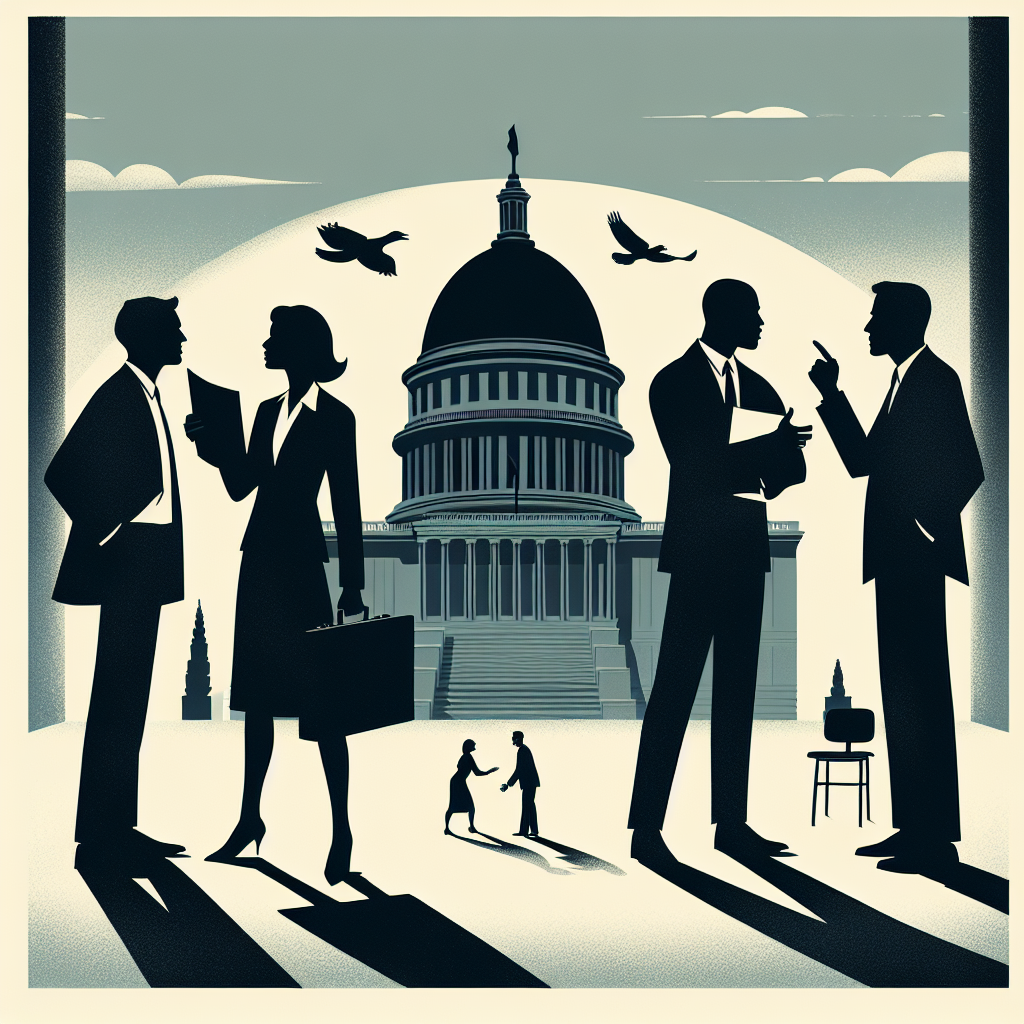
In the intricate landscape of United States governance, lobbyists play a pivotal role in shaping legislation and influencing policy outcomes. Their activities are often viewed with skepticism and intrigue as they work to represent various interests—from corporations to non-profits—aiming to sway lawmakers and impact crucial decisions that affect millions. As we delve into the year 2025, understanding the role of lobbyists becomes even more critical, especially with the rapidly changing political climate, technological advancements, and evolving legislative priorities. This article will unravel the various dimensions of lobbying, its effectiveness, controversies surrounding it, and its undeniable impact on U.S. legislation.
Understanding Lobbying: Definition and Importance
Lobbying is the practice of advocating for specific legislation or regulatory changes on behalf of a particular group or interest. Lobbyists serve as intermediaries between their clients—who may represent industries, organizations, or public interest groups—and government officials. In 2025, lobbying remains a significant component of the legislative process, with lobbying expenditures reaching an estimated $3.7 billion annually, according to the Center for Responsive Politics. This investment underscores the critical role that lobbyists play in informing policymakers about the complexities of issues affecting their stakeholders while shaping public opinion and legislative agendas.
The importance of lobbying lies in its contribution to democracy. While some argue that it fosters inequality by giving powerful interests an undue advantage, others see it as a necessary element of representative governance. Lobbyists provide lawmakers with valuable information, expertise, and resources that help them understand intricate topics ranging from healthcare to technology regulation. Furthermore, with the growing complexity of issues and the diverse range of stakeholders involved, the lobbying process can facilitate a more informed legislative environment, paving the way for legislation that considers multiple perspectives.
The Mechanics of Lobbying: How Lobbyists Operate
Lobbyists employ a variety of strategies and tactics to achieve their objectives. Their methods often include direct interaction with lawmakers, grassroots campaigning, and mobilizing public opinion. Direct lobbying involves face-to-face meetings, phone calls, and the distribution of policy briefs to decision-makers. Effective lobbyists are known for cultivating relationships with legislators and their staff, often providing them with the expertise and statistics needed to understand the implications of specific policies. This individualized approach is prevalent in 2025, as digital communication has also enabled lobbyists to use social media platforms to engage the public and influence policy discourse.
Another crucial aspect of lobbying is grassroots mobilization, where lobbyists encourage constituents to reach out to their lawmakers, amplifying their issues. This phenomenon has greatly expanded in recent years with digital platforms, allowing voices from across the country to converge on legislators’ offices. In 2025, citizen activism, empowered by social media, creates waves of public support or opposition, making it easier for lobbyists to demonstrate the weight of public sentiment on certain issues. The intersection of technology with lobbying practices has redefined traditional methods and continues to evolve as new platforms emerge.
The Types of Lobbyists: A Diverse Spectrum of Influence
The lobbying profession is marked by a diverse array of representatives working on behalf of varied interests. These include corporate lobbyists, who represent industry giants across sectors such as technology, pharmaceuticals, and agriculture, as well as non-profit and grassroots lobbyists advocating for social causes. With the increasing intersection of business and environmental issues, for instance, lobbyists are crucial in negotiating policies that balance profit motives with sustainability efforts in 2025. The influence of corporations in shaping legislation through well-funded lobbying efforts is a topic of ongoing debate, reflecting broader societal concerns about corporate power and democracy.
Additionally, one must consider the role of industry coalitions and trade organizations, which often unite members to amplify their lobbying power. These groups, such as the National Association of Manufacturers or the American Medical Association, pool resources for more effective lobbying. They create a unified front on key issues, particularly in contentious areas such as healthcare reform or climate change legislation. The collaborative nature of coalition lobbying can leverage shared interests, resulting in impactful campaigns that catch lawmakers’ attention and tailor legislative outcomes.
A notable emerging trend is the increasing presence of lobbyists representing social causes and underrepresented communities. In 2025, advocacy groups for racial justice, LGBTQ+ rights, and environmental protection have made significant strides in their lobbying efforts, garnering both media attention and legislative support. The success of these groups often hinges on their ability to mobilize grassroots efforts and engage supporters through social media and campaigns, fostering broader public awareness and urgency around pressing issues.
Controversies Surrounding Lobbying: Ethics and Regulation
Despite its perceived necessity, lobbying is fraught with ethical dilemmas and controversies, particularly surrounding transparency and accountability. Critics argue that the power dynamics created by lobbying can lead to corruption and a misalignment of interests, where corporate agendas overshadow public welfare. In recent years, the demand for stricter regulations and greater transparency in lobbying practices has grown, prompting discussions about reforms that could mitigate potential abuses of power. Proposed regulations in 2025 include stricter disclosure requirements regarding lobbying expenditures and a ban on certain lobbying activities that could create conflicts of interest.
The revolving door phenomenon, which refers to the movement of individuals between roles as legislators and lobbyists, has raised significant concerns about potential conflicts of interest in legislation. It poses questions about whether policymakers can act in the public’s best interest when they have future job prospects tied to the industries they oversee. As a response to this issue, legislators and advocacy groups have called for stronger ethical guidelines and mechanisms to limit lobbying by former government employees, as they often possess valuable insider knowledge that can sway legislative outcomes.
Another contentious aspect of lobbying is the influence of dark money and undisclosed contributions on political campaigns. In 2025, there’s been growing scrutiny of how financial contributions from undisclosed sources to political action committees (PACs) can shape policy agendas and prioritize private interests over public needs. Efforts to combat dark money through campaign finance reform are ongoing, as advocates argue that greater transparency is essential for restoring public trust in government processes and ensuring that policies reflect democratic principles.
The Impact of Lobbying on U.S. Legislation: Influencing Policy Outcomes
Lobbyists significantly influence policy outcomes in the United States, providing expertise and advocacy that shape legislation across various sectors. For instance, in 2025, the ongoing battle over climate change legislation has witnessed intense lobbying from both environmental and fossil fuel industries. Environmental advocacy groups have intensified lobbying efforts, resulting in stronger legislative measures. Meanwhile, fossil fuel interests have countered with targeted campaigns aimed at diluting regulations. The art of negotiation and compromise—a hallmark of the legislative process—demonstrates how both sides leverage lobbying to advance their respective agendas.
Additionally, the healthcare sector showcases how lobbying affects policy decisions and reforms. As debates on prescription drug pricing and healthcare accessibility rage on, lobbyists from pharmaceutical companies, healthcare providers, and patient advocacy groups intensify their efforts. The time-honored strategies of mobilizing stakeholders and public sentiment echo throughout the halls of Congress, showcasing the essential role lobbying plays in shaping vital aspects of healthcare legislation. As negotiations unfold, decision-makers rely on lobbyists for data, research, and testimonies to inform their positions and votes on pressing health-related issues.
Moreover, lobbying extends its reach to the technology sector, which wields considerable influence in shaping U.S. legislation surrounding privacy, data security, and emerging technologies. The push for regulations on artificial intelligence (AI) and data collection practices in 2025 has seen extensive lobbying from both tech giants and privacy advocates. The balance of power among competing interests highlights the complexity of modern lobbying efforts, as stakeholders seek to establish legislation that considers innovation while addressing concerns around consumer rights and technological ethics.
Conclusion
In the evolving political landscape of 2025, the role of lobbyists in shaping U.S. legislation remains undeniable. Through a well-choreographed blend of advocacy, expertise, and strategic outreach, lobbyists influence policy across various sectors, from healthcare to environmental protections. While the practice of lobbying presents challenges and ethical dilemmas, its importance in a democratic society cannot be overlooked. As the dynamics of lobbying continue to shift with technology and public sentiment, understanding its intricacies is essential for both policymakers and citizens alike. The ongoing conversation around transparency, accountability, and ethical practices will likely define the future of lobbying and its role in shaping a government that serves all its constituents.
FAQs
What is a lobbyist?
A lobbyist is a person who is hired to influence legislators and government officials on behalf of a specific interest group, organization, or corporation. They work to advocate for legislation and policies that align with their clients’ objectives.
How do lobbyists influence legislation?
Lobbyists influence legislation by engaging directly with lawmakers, providing them with research and data on key issues, mobilizing grassroots support, and leveraging public opinion through media campaigns. They aim to shape discussions around policy issues in ways that benefit their clients.
Are all lobbying efforts negative?
Not all lobbying efforts are negative. While some critics argue that lobbying can create imbalances of power, it can also serve important functions in democracy, such as helping inform policymakers and advancing public interest issues.
What regulations govern lobbying activities?
Lobbying activities in the U.S. are governed by laws that require lobbyists to register with government authorities and disclose their activities and financial expenditures. Enforcement and regulation vary by state and level of government.
How has technology changed lobbying in recent years?
Technology has transformed lobbying through the use of digital communication and social media, enabling lobbyists to reach broader audiences, mobilize grassroots campaigns, and engage directly with constituents. This evolution has increased transparency and accessibility in lobbying efforts.
This comprehensive exploration of the role of lobbyists in shaping U.S. legislation highlights both their critical contributions and the ethical challenges they face. With an eye on the future, it’s clear that as lobbying evolves, so too must the conversations surrounding its impact on democracy and governance.