
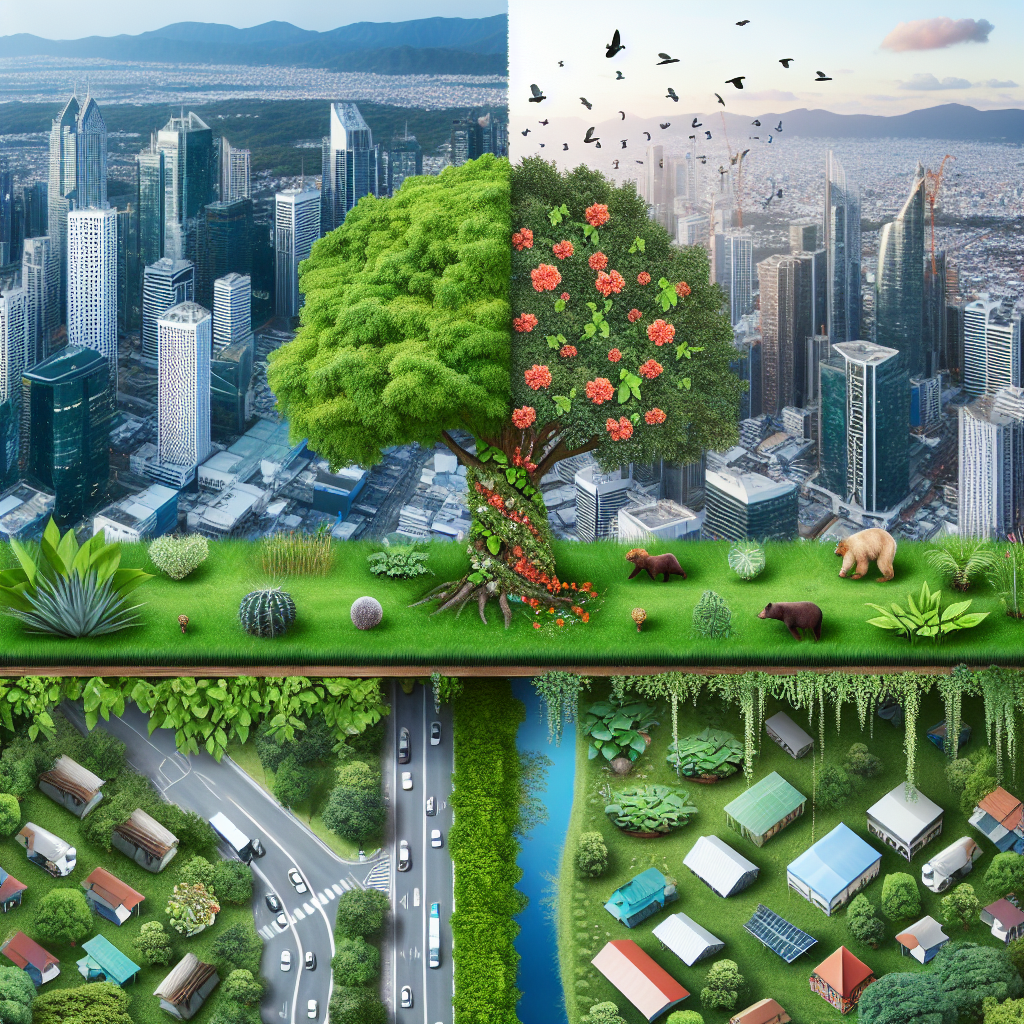
Introduction
As we advance further into the 21st century, the delicate balance between environmental stewardship and economic growth remains a pivotal challenge for nations worldwide. In 2025, with mounting pressures from climate change, resource depletion, and societal demands for sustainable practices, it’s crucial to explore how various sectors can achieve this equilibrium. Sustainability and economic vitality are not mutually exclusive; rather, they can synergistically contribute to a healthier planet and a thriving economy. In this article, we will delve deep into solutions, current trends, and future predictions that illustrate the intricate relationship between environmental stewardship and economic growth.
Understanding Environmental Stewardship in 2025
Environmental stewardship refers to the responsible management of the environment through sustainable practices and policies. In 2025, environmental stewardship is no longer an optional corporate responsibility but a fundamental expectation from consumers, investors, and governments alike. Leading companies now demonstrate their commitment by integrating sustainability into their business models. They are adopting practices that include reducing carbon footprints, minimizing waste, and utilizing renewable resources. The concept is tightly woven into corporate social responsibility (CSR), emphasizing that organizations must engage positively with environmental impacts.
Moreover, today’s consumers are more conscious than ever about their purchases and how these choices affect the planet. This shift has led to increased demand for eco-friendly products, prompting businesses to innovate and develop sustainable goods. In 2025, brands that prioritize environmental stewardship are often rewarded with customer loyalty, reduced operational costs, and improved reputation. By aligning their growth strategies with environmental principles, businesses can present themselves as forward-thinking and responsible while simultaneously driving profitability.
The Economic Implications of Sustainable Practices
Implementing sustainable practices is not merely about cost; it is a strategic maneuver that can significantly enhance profitability. In 2025, economic implications from adopting environmentally friendly operations are increasingly visible across various sectors, including manufacturing, agriculture, and energy. For instance, investments in renewable energy sources, such as solar and wind, have shown substantial long-term savings compared to fossil fuels. Companies that have integrated these energy solutions frequently report decreased overhead expenses and greater financial stability.
Moreover, environmental regulations and policies are continually evolving, prompting businesses to align with sustainability standards proactively. Companies that successfully integrate these standards minimize the risks associated with regulatory non-compliance, thus avoiding fines and enhancing their market positioning. In sectors like real estate, energy-efficient buildings are becoming the norm rather than the exception, boosting property values and attracting environmentally conscious tenants. Therefore, the economic implications of sustainable practices directly correlate with enhanced market opportunities and increased resilience against market fluctuations.
Innovative Approaches to Balance Growth and Sustainability
In light of the challenges posed by climate change and resource scarcity, innovative solutions are emerging that effectively balance economic growth with environmental stewardship. One notable strategy employs the concept of the “circular economy,” a transformative model that prioritizes sustainability through the continuous use of resources. In 2025, businesses are increasingly shifting from traditional linear models—where products are made, used, and disposed of—to circular systems, wherein materials are repurposed and reused. This approach not only minimizes waste but also creates economic opportunities, yielding new markets and jobs centered around recycling and resource recovery.
Another innovative approach is the incorporation of technology in promoting sustainability. The rise of smart technologies—including the Internet of Things (IoT) and artificial intelligence (AI)—is revolutionizing how industries operate, enhancing efficiency, and minimizing environmental impact. In sectors such as agriculture, precision farming utilizes data analytics to optimize resource use, reducing water and fertilizer consumption while maximizing yield. These technological advancements enable businesses to grow while adhering to sustainable practices, illuminating the path forward in a world increasingly focused on environmental responsibility.
Furthermore, strategic partnerships between the public and private sectors are proving effective in fostering economic growth that prioritizes environmental stewardship. Collaborative efforts can lead to the implementation of green initiatives that benefit communities and businesses alike. For example, joint ventures in urban development projects that emphasize green spaces, public transport, and energy-efficient buildings are becoming more common in 2025. Such collaborations not only stimulate local economies but also contribute to building sustainable environments, proving that economic growth and environmental stewardship can coexist harmoniously.
The Role of Policy in Promoting Sustainability and Growth
Government policies play an instrumental role in shaping the landscape of environmental stewardship and economic growth. In 2025, we see a trend toward stricter regulations aimed at reducing carbon emissions, enhancing energy efficiency, and promoting sustainable practices across all sectors. These policies serve not only as a framework for compliance but also as catalysts for innovation. Financial incentives, such as tax credits and grants for green technologies, encourage businesses to invest in sustainable practices and align their growth strategies with national sustainability goals.
Additionally, international agreements and frameworks, such as the Paris Agreement, compel nations to collaboratively address climate change by adopting greener policies and practices. These global strategies create a competitive landscape that rewards countries and businesses willing to innovate and lead in sustainability. Nations that embrace these policies often experience economic benefits, including job creation in the renewable energy sector and increased investment opportunities from environmentally conscious stakeholders.
Moreover, local governments are crucial in promoting sustainability through community-level initiatives. Cities in 2025 are increasingly implementing policies that prioritize green infrastructure, such as sustainable public transport, energy-efficient buildings, and reduced waste programs. These initiatives not only improve residents’ quality of life but also provide economic opportunities for local businesses focused on green solutions. The interconnectedness of environmental policies and economic growth at the local level underscores the necessity of government involvement in fostering a sustainable future.
Strategies for Businesses to Embrace Both Aims
As we look forward to a sustainable future, businesses must adopt strategies that encompass both environmental stewardship and economic growth. First, embracing a culture of sustainability internally is critical. This can be achieved through training programs that educate employees on sustainable practices and their importance. By establishing a workplace ethos centered on responsible environmental management, businesses can enhance employee engagement and instill a sense of ownership towards the company’s sustainability goals.
Second, it’s essential for businesses to communicate their sustainability efforts transparently. Consumers and stakeholders in 2025 are increasingly looking for transparency in the practices of the companies they support. By openly sharing sustainability goals, achievements, and even areas for improvement, companies can build trust and foster deeper connections with their audience. Furthermore, businesses that can effectively communicate their environmental achievements can differentiate themselves from competitors, thereby capturing a larger share of the market.
Lastly, companies should actively seek out partnerships and collaborations that enhance their sustainability initiatives. By aligning with NGOs, government bodies, or other businesses, organizations can pool resources, share best practices, and amplify their impact. In 2025, collaborative efforts are transforming how industries tackle environmental challenges, opening new avenues for innovation and economic growth. Through strategic partnerships, businesses can not only lead in sustainable practices but also drive economic development within their communities.
Conclusion
In 2025, the intricate balance between environmental stewardship and economic growth is an ongoing journey characterized by innovation, collaboration, and strategic policymaking. Organizations that embrace sustainable practices stand to gain economically, build customer loyalty, and contribute positively to the global environment. Innovative approaches, including circular economies, smart technologies, and public-private partnerships, are paving the way for a more sustainable industrial landscape. As we move forward, it is crucial for businesses and governments alike to remain committed to this balance, ensuring a future where economic growth does not come at the expense of our planet.
FAQs
What is environmental stewardship?
Environmental stewardship refers to the responsible management of natural resources and the environment through sustainable practices that seek to protect and preserve ecosystems.
How can businesses balance environmental stewardship with economic growth?
Businesses can achieve this balance by integrating sustainability into their operations, communicating transparently about their practices, and pursuing innovative solutions that enhance both their economic interests and environmental responsibilities.
What role do government policies play in sustainability?
Government policies are crucial in promoting sustainability by establishing regulations that encourage eco-friendly practices, offering incentives for green investments, and fostering innovation through collaborative initiatives with the private sector.
What are some innovative practices for sustainable growth?
Innovative practices for sustainable growth include adopting circular economy principles, leveraging smart technologies for efficiency, and forming strategic partnerships with other organizations to share resources and best practices.
How can consumers encourage businesses to adopt sustainable practices?
Consumers can drive change by supporting businesses that prioritize sustainability, advocating for transparency about environmental practices, and choosing eco-friendly products, thereby influencing companies to adopt environmentally responsible strategies.