
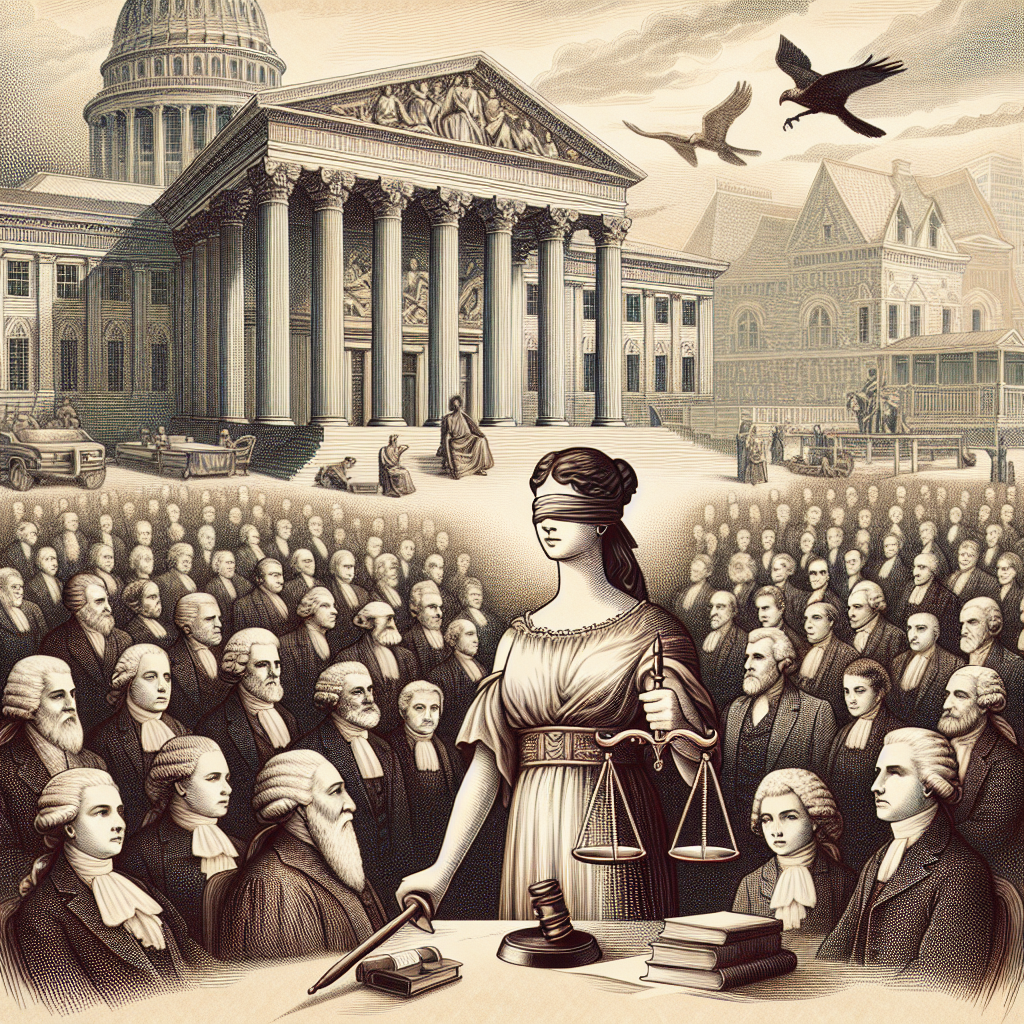
A Judicial System that Upholds the Constitution
The foundation of a robust democracy lies in its judicial system, one that is unwavering in its commitment to uphold the Constitution. In 2025, the role of the judiciary has never been more critical as societies around the world grapple with complex legal challenges, technological advancements, and evolving interpretations of constitutional rights. This article aims to explore the intricacies of a judicial system that not only interprets but actively defends and upholds the Constitution, ensuring justice, equity, and the rule of law prevail in society.
The Role of the Judiciary in Upholding the Constitution
The judiciary serves as the guardian of the Constitution, tasked with the critical responsibility of interpreting and defending its principles. In the year 2025, this role has expanded significantly, given the increasing complexity of contemporary legal matters such as digital privacy rights, social media regulations, and issues related to artificial intelligence. Judges today are not merely arbiters of disputes; they are constitutional scholars who must navigate uncharted waters, ensuring that the foundational tenets of liberty, equality, and due process are preserved in the face of rapid societal change.
Moreover, the judiciary acts as a check on the other branches of government—executive and legislative—ensuring that their actions remain within constitutional bounds. This system of checks and balances is vital for maintaining the integrity of democratic governance. For instance, recent Supreme Court cases have tackled significant issues like voter suppression laws and the implications of technology on privacy rights, reinforcing the judiciary’s essential role in determining how constitutional principles apply in evolving contexts. By maintaining its autonomy and independence, the judicial system safeguards citizens’ rights against potential overreach.
<h2.Key Principles of a Constitutionally Upholding Judiciary
At the heart of a judicial system that upholds the Constitution are key principles like judicial independence, impartiality, and accountability. In 2025, these principles face challenges and are constantly tested through public opinion, political pressure, and societal divisions. Judicial independence is crucial in ensuring that judges can make decisions based solely on legal merits rather than external influences or popular sentiment. This independence fosters public confidence in the judicial system, ensuring that the law is applied fairly and consistently across all cases.
Impartiality is another cornerstone of a judicial system committed to the Constitution. Judges must evaluate cases devoid of bias or prejudice, ensuring that all individuals—even those accused of crimes—receive a fair trial. In recent years, marked by sociopolitical turmoil, the integrity of judicial impartiality has come under scrutiny. Courts are now more vigilant in addressing allegations of bias, striving to implement diverse juries, and scrutinizing the backgrounds of adjudicators. The importance of public trust cannot be underestimated, as perceived fairness enhances societal stability and compliance with the law.
<h2.Evolution of Constitutional Interpretation
The interpretation of the Constitution is a dynamic process, evolving as societal values change and legal precedents shift. In 2025, significant discussions surround interpretive theories such as originalism and living constitutionalism. Originalists argue that the Constitution should be interpreted based on the framers’ intent, while proponents of living constitutionalism advocate for a contemporary application of the document that reflects modern societal norms. The debate between these two interpretations has profound implications for landmark rulings on issues like civil rights, environmental regulation, and economic policy.
Technological advancements also necessitate a re-evaluation of constitutional principles. For instance, cases involving surveillance and data privacy have surged, compelling courts to consider how the Fourth Amendment’s protections against unreasonable searches and seizures apply in a digital age. As society grapples with these emergent issues, the judiciary’s role becomes pivotal in ensuring that constitutional rights are not relegated to obsolescence by technological progression. Judicial opinions in 2025 frequently address the necessity for updated legal frameworks that can coexist with fast-paced technological growth while protecting individual freedoms.
Additionally, public engagement with judicial processes has risen dramatically, aided by social media and the proliferation of information. Citizens are increasingly aware of their constitutional rights and eager to challenge breaches. Courts are, therefore, navigating a landscape laden with heightened scrutiny as they address community concerns. A judicial system that upholds the Constitution must now consider the voices of a well-informed populace, responding to demands for transparency, accountability, and proper access to justice.
<h2.The Impact of Landmark Decisions
Landmark judicial decisions serve as beacons that shape societal norms and legislative frameworks. In recent years, various cases have emerged that exemplify how the judiciary can uphold the Constitution while addressing contemporary issues. One prominent case in 2025 involved a dispute over voting rights and access, which saw the court reaffirm the principle that all citizens must have equal access to the ballot box. This ruling not only reinforced federal protections against voter suppression but also emphasized the judiciary’s role in fortifying democratic elections as fundamental constitutional rights.
Another significant decision pertained to freedom of speech in the context of social media. The court addressed the balance between free expression and the responsibilities of private platforms to curb hate speech and disinformation. The ruling underscored the necessity of protecting First Amendment rights while recognizing the evolving landscape of communication. Such landmark rulings exemplify how the judiciary must adapt to contemporary realities while remaining tethered to constitutional mandates.
Furthermore, the role of lower courts cannot be overlooked. They frequently adjudicate crucial cases that might not have the same visibility as those reaching the Supreme Court but are instrumental in shaping constitutional interpretation at the community level. Local and state courts tackle pressing issues such as housing rights, environmental regulations, and criminal justice reform, influencing broader policy shifts and public perception of constitutional rights. The impact of these rulings accumulates, creating a more comprehensive understanding of how the judiciary operates as a Constitution-upholding body.
<h2.Access to Justice in a Constitutional Framework
Access to justice remains a cardinal issue within a judicial system committed to upholding the Constitution. In 2025, we continue to confront significant barriers that hinder individuals—particularly marginalized communities—from obtaining legal representation and navigating the judicial process. Efforts to address these disparities are increasingly recognized as essential for maintaining the legitimacy of the judicial system. Legal aid organizations, pro bono initiatives, and reforms aimed at reducing court fees all play a vital role in ensuring equitable access to justice for all citizens.
Technology has also emerged as a transformative force in expanding access to justice. Virtual platforms for legal consultations, online resources for self-representation, and even AI-driven legal assistance have made significant strides in democratizing access to legal information. By leveraging these technologies, the judicial system can bridge gaps in access and remove barriers that often impinge upon disadvantaged populations. In this way, the judiciary can better uphold the Constitution by ensuring that all individuals have the means to advocate for their rights.
However, merely enhancing access is not sufficient; the judiciary must also address systemic inequalities embedded within the legal framework. Racial and socioeconomic disparities persist in the criminal justice system, calling for an aggressive reevaluation of bail practices, sentencing laws, and policing methods. A judicial system that genuinely upholds the Constitution must actively dismantle these barriers and seek to create a more equitable legal landscape—one that recognizes and rectifies historical injustices while promoting a fair application of the law.
Conclusion
A judicial system that upholds the Constitution is indispensable for a thriving democracy. As we navigate the complexities of 2025, the principles of judicial independence, impartiality, and accountability remain paramount. The dynamic nature of constitutional interpretation and the impact of landmark decisions highlight the judiciary’s role in shaping societal norms while addressing contemporary challenges. Furthermore, ensuring access to justice for all citizens, particularly marginalized populations, is essential in creating a legal framework that truly reflects the principles enshrined in the Constitution. By reinforcing these pillars, we can foster a judicial system that not only interprets the law but actively shapes a more just society.
FAQs
What does it mean for a judicial system to uphold the Constitution?
A judicial system that upholds the Constitution prioritizes the interpretation and enforcement of constitutional rights and principles, acting as a guardian against governmental overreach and ensuring justice for all citizens.
How has the interpretation of the Constitution evolved over time?
Over time, the interpretation of the Constitution has evolved with societal changes, reflecting contemporary values and norms through debates between originalism and living constitutionalism, which influence landmark judicial decisions.
What challenges does the judiciary face in 2025?
In 2025, the judiciary confronts various challenges, including maintaining judicial independence amidst political pressures, addressing systemic inequalities, and interpreting constitutional rights in the context of rapid technological advancements.