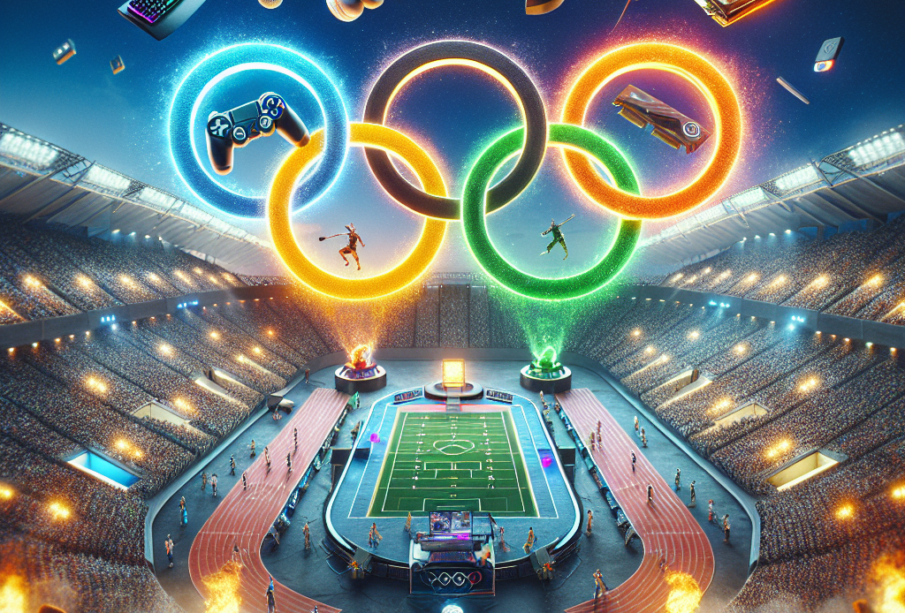
The Rise of E-Sports and Its Place in Future Olympics
Introduction
As we step into 2025, the realm of sports is transforming dramatically, giving rise to a phenomenon that has garnered audiences worldwide—e-sports. The rise of e-sports has not only impacted the gaming community but has also sparked discussions about its incorporation into mainstream sports events, particularly the Olympic Games. E-sports has evolved beyond a mere pastime; it’s a competitive arena with dedicated players, vast audiences, and impressive sponsorship deals. In this article, we’ll explore the rise of e-sports, its cultural significance, and its potential place in future Olympic Games.
The Phenomenal Growth of E-Sports
E-sports have exploded onto the global stage in the last decade, transforming from underground LAN parties into a multi-billion-dollar industry. According to Newzoo’s Global Esports Market Report, e-sports revenue is expected to reach $1.8 billion in 2025, fueled by increased viewership, sponsorship, and merchandise sales. Major tournaments such as The International for Dota 2 and the League of Legends World Championship attract millions of viewers both online and in live arenas. This phenomenon has made e-sports a lucrative sector, attracting investments from traditional sports teams, tech companies, and even celebrities.
The convergence of technology and entertainment has facilitated the rise of e-sports. Perspectives have shifted, with platforms like Twitch and YouTube Gaming creating dedicated spaces for gamers to broadcast their skills. Audience engagement levels are through the roof, with fans not only watching but also participating in discussions surrounding gameplay strategies, player statistics, and tournament predictions. The rise of e-sports has led to an environment where individuals can now pursue careers in gaming, ushering in scholarship programs and dedicated e-sports training facilities in schools and universities across the globe.
The Cultural Impact of E-Sports
E-sports is not just a new frontier in sports entertainment; it is a cultural movement that resonates across generations and geographies. Different from traditional sports, e-sports appeal to a diverse audience that crosses age, gender, and socio-economic lines. This cultural phenomenon fosters a unique community where players and fans share an affinity for gaming, leading to the creation of vibrant online forums and local meetups that cultivate friendships and rivalries alike. Social media plays a significant role in this cultural integration, as platforms like Twitter and Discord allow players and fans to connect instantly.
The global pandemic accelerated the acceptance of e-sports as a legitimate spectator sport. During lockdowns, traditional physical sports faced shutdowns, while virtual tournaments and live streams provided entertainment and social interaction. Events like the “Stay at Home Slam” in 2020 brought professional athletes into the e-sports arena, showcasing the blend of broader sports and gaming cultures. This transition not only legitimized e-sports but also highlighted its resilience as a form of entertainment during challenging times.
The Push for E-Sports in the Olympics
The conversation surrounding the inclusion of e-sports in the Olympics has gained momentum, with the International Olympic Committee (IOC) expressing interest in the gaming world. In 2025, e-sports is being considered not just a hobby but as a serious competitive sport that rivals traditional disciplines. The IOC aims to engage younger demographics, and e-sports could serve as the bridge connecting youthful audiences to the Olympic Movement. This inclusion could also provide financial support and visibility to burgeoning gaming communities, elevating the status of gaming as a profession.
However, the road to inclusion is filled with challenges. Issues surrounding regulation, standardization, and the nature of competition need to be addressed. Unlike traditional sports that have defined rules and governing bodies, e-sports consist of numerous genres with diverse rules and gameplay mechanics. The IOC is tasked with developing a framework that encompasses a variety of games while maintaining the integrity of the Olympic spirit. In early 2025, talks have commenced on establishing a universal set of criteria to categorize competitive gaming as a sport.
Furthermore, the perception of e-sports among traditionalists remains mixed, with skepticism towards its classification as a sport. Nevertheless, the undeniable skill, strategy, and dedication exhibited by professional gamers further blurs the lines between gaming and traditional athletics. As the conversation continues and regulatory structures evolve, momentum is building for an official e-sports segment in future Olympic Games.
The Economic Potential of E-Sports in the Olympics
The economic implications of including e-sports in the Olympics are substantial. As e-sports continues to grow, it brings along lucrative opportunities for sponsorship and advertising. Major brands are warming up to the idea of associating themselves with e-sports events, tapping into a demographic that is progressively more influential in the consumer market. From merchandise sales to online viewership revenue, integrating e-sports into the Olympic framework could significantly enhance the financial aspects of the Games.
In addition to advertising revenues, e-sports events have been successful in drawing significant audiences, thus bridging a gap between traditional and digital entertainment. For instance, the League of Legends World Championship and Fortnite World Cup have reported viewership numbers that rival some of the largest athletic events. This capacity for drawing large audiences provides a lucrative opportunity for the Olympics to maximize ticket sales, merchandise, and even broadcasting rights.
Finally, the potential for economic growth extends beyond revenues; it encompasses career opportunities in coaching, broadcasting, event management, and related industries. E-sports can help cultivate a talented workforce dedicated to entertainment and technology, contributing to a progressive economy. As e-sports potentially finds a home in the Olympic landscape, the questions of long-term investment and sustainability remain pivotal to ensuring that the growth of this sector aligns with Olympic values.
The Future of E-Sports in the Olympics
The path forward for e-sports within the Olympics is invigorating yet daunting. The IOC has begun preliminary discussions on integrating competitive gaming into upcoming Olympic events, focusing on gaging interest across nations. Early indications suggest that countries like South Korea, the United States, and China are ready to champion e-sports, reflecting a global interest in fostering competitive gaming on the Olympic stage. This support will play a crucial role in determining the viability of e-sports in the Olympics moving forward.
Technology will also be a significant player in shaping the future of e-sports within the Olympics. Emerging technologies like AI, virtual reality, and augmented reality could revolutionize both gameplay and viewing experiences, attracting a broader audience to the events. Innovations like these can be leveraged to create compelling spectator experiences, enhancing audience engagement through interactive platforms that allow for real-time participation and commentary.
Additionally, it’s essential for e-sports to develop a set of core values reflective of the broader Olympic ethos. Elements like sportsmanship, fair play, and respect must translate into the gaming arena, promoting a positive and healthy environment for gamers and fans alike. Aligning e-sports with Olympic values will be essential in gaining acceptance not just from traditionalists but also from international federations and national Olympic committees that influence the Games.
Conclusion
The rise of e-sports in 2025 marks a turning point in how we perceive sports, entertainment, and community. As e-sports burgeons, its potential inclusion into the Olympic framework highlights the fluidity of what constitutes sport in our modern world. The merging of gaming and traditional athleticism offers a promising pay-off not just for the Olympics, but for the global economy, communities, and future generations of gamers. As the IOC continues discussions and navigates regulatory challenges, it’s clear that e-sports is set to revolutionize the Olympic Games and broaden the horizon of competitive entertainment.
FAQs
What are e-sports?
E-sports refers to organized, multiplayer video game competitions, particularly between professional players, individually or as teams.
Why is e-sports gaining recognition?
E-sports is gaining recognition due to its growing audience, significant sponsorship deals, and the influx of professional gamers, making it a serious competitive endeavor rather than just casual play.
Will e-sports be included in the Olympics?
As of 2025, the International Olympic Committee is exploring the possibility of including e-sports in future Olympic Games, with discussions focusing on regulations and the potential cultural impact.
How does the economy benefit from e-sports?
E-sports brings substantial economic benefits through advertising revenues, ticket sales, and job creation in sectors like event management, coaching, and broadcasting.
What challenges does e-sports face in becoming an Olympic sport?
Challenges include regulatory issues, the diverse nature of games, and varying perceptions of legitimacy compared to traditional sports. Establishing a universally accepted set of rules is essential.