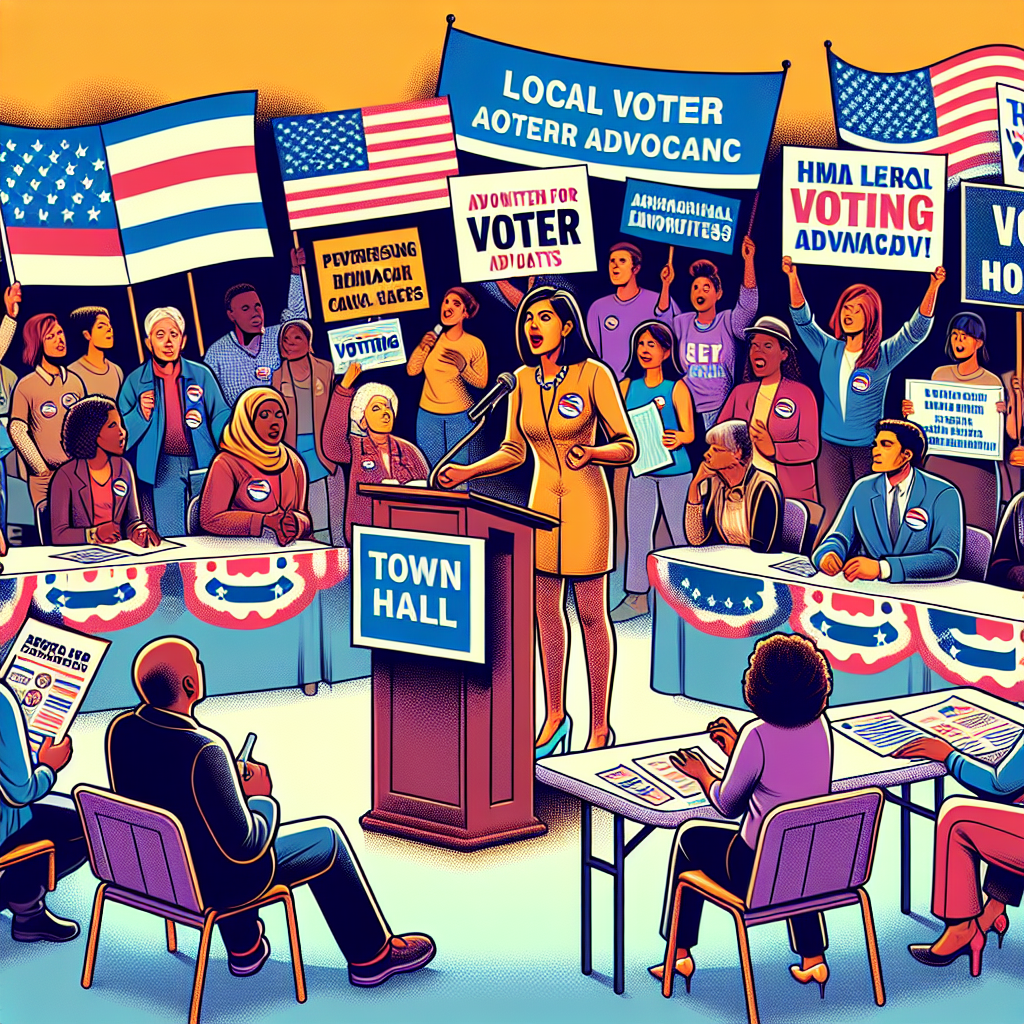
Getting involved in local voter advocacy is more important than ever in 2025, as communities across the nation face challenges related to voter access, representation, and education. With recent changes in voting laws and political landscapes, citizens have a unique opportunity to play a significant role in shaping their democracy. This comprehensive guide will explore various ways to engage in local voter advocacy, empowering you to make a difference in your community.
Understanding Local Voter Advocacy
Local voter advocacy refers to efforts aimed at ensuring fair access to the voting process within a community. This advocacy addresses multiple issues, including voter registration, education about ballot measures, and challenges to voting rights. As the political climate shifts, local organizations and advocacy groups play critical roles in working with grassroots campaigns, educating voters, and lobbying for policy changes that promote inclusivity in voting.
By understanding the fundamentals of local voter advocacy, you empower yourself to participate actively in the democratic process. This involves not only being informed about local and national issues but also understanding the voting laws and regulations that affect your community. As we approach the 2025 elections, engaging with local voter advocacy can promote more accessible and transparent voting processes, enabling everyone to have a voice in shaping their governance.
Key Organizations for Voter Advocacy
Identifying organizations that focus on voter advocacy is crucial. Numerous non-profit groups, such as The League of Women Voters, Vote.org, and local initiatives like the Community Voting Project, provide extensive resources and support for those interested in voter advocacy. These organizations often focus on mobilizing voters, providing educational materials, and organizing events that encourage community engagement. Many also work behind the scenes to influence legislation that benefits voters, making them key players in the democratic process.
Joining these organizations can significantly amplify your impact. They typically welcome volunteers for a variety of roles, from canvassing neighborhoods to assisting in voter registration drives. Moreover, these organizations often conduct training and workshops that equip you with necessary skills in organizing and advocacy. Leveraging resources from these organizations, advocates can better understand local voting statistics, identify voter suppression tactics, and develop strategies to combat these issues effectively.
Ways to Participate in Local Voter Advocacy
Participating in local voter advocacy can take many forms, depending on your interests and skills. One of the most effective ways to get involved is through grassroots organizing. This can involve coordinating events, such as town halls or forums, where community members discuss voting issues, propose solutions, and encourage participation in upcoming elections. Additionally, organizing voter registration drives is critical, as it enables you to help community members get registered and educated about the voting process.
Another avenue for involvement is social media advocacy. Create awareness and foster discussion in your community by sharing important voting information, deadlines, and resources on various platforms. Use hashtags, create informative posts, and engage with followers to mobilize them effectively. Social media can serve as a powerful tool to reach a wider audience, especially younger voters who may benefit from digital outreach.
Volunteering as a poll worker is yet another significant way to engage in local voter advocacy. Many local jurisdictions face challenges finding adequate staffing for polling places during elections. By volunteering, you not only support the electoral process but also gain firsthand insight into how elections are run. This experience can provide valuable perspectives to share within your advocacy circles, pushing for necessary changes or improvements in local voting practices.
The Importance of Voter Education
Voter education is a cornerstone of successful advocacy efforts. Many citizens remain unaware of their voting rights or the details about upcoming ballots, leading to lower turnout and engagement levels. Thus, establishing voter education initiatives can significantly enhance the effectiveness of your advocacy work. These initiatives can take various forms, such as workshops, informational webinars, and distributing educational materials, such as flyers and brochures, that simplify the voting process.
Additionally, staying abreast of issues that voters encounter, such as ID requirements or eligibility criteria, is essential for effective communication. Informing potential voters about these topics not only empowers them but also underscores the importance of advocating for fair policies that simplify the voting process. Collaborating with local schools, community centers, and libraries to conduct voting education sessions can help reach a diverse array of voters, ensuring that everyone, regardless of background, understands their rights.
As you establish voter education programs, consider incorporating new technologies to enhance outreach. In 2025, advancements in technology, including mobile apps and interactive websites, can facilitate informative sessions that engage users in unique ways. Using these modern tools allows advocates to adapt their approach to the interests and habits of a tech-savvy audience, ultimately maximizing the impact of voter education.
Legislative Advocacy and Policy Changes
Being involved in local voter advocacy also means understanding the legislative landscape that governs voting in your community. Actively lobbying for policies that support voter rights is crucial in combating challenges such as restrictive voting laws and gerrymandering. You can engage with local elected officials, attend town hall meetings, and participate in advocacy coalitions to push for significant changes.
Writing letters, making phone calls, and conducting meetings with legislators can showcase community concern on voter-related issues. You can join existing campaigns or help launch new ones that advocate for more equitable and inclusive voting laws. Establishing relationships with local officials and leveraging community support can create pressure for necessary legislative changes, which is vital for promoting voter empowerment.
Moreover, monitoring ongoing legislative activities is essential for effective advocacy. By staying updated on proposed laws and regulations that might impact voting access, you can mobilize your community and respond swiftly to potential threats. Engaging with local organizations that track legislative issues can provide vital insights and action pathways for advocates.
Building a Community of Advocacy
Creating a supportive community network focused on voter advocacy can significantly amplify your efforts. Connect with like-minded individuals through community groups, social media, and local events. Building relationships with fellow advocates not only fosters collaboration but can also lead to innovative ideas and approaches to previous challenges.
Collaboration with diverse organizations is critical to enhancing advocacy efforts. Engaging with groups that represent different demographics or interests can provide varied perspectives, thus creating a more comprehensive advocacy strategy. Partnering with non-partisan organizations, social justice groups, and even local businesses can expand your reach and impact. These collaborations can leverage different resources, skills, and networks to achieve common goals.
Furthermore, establishing a feedback loop within your advocacy community is essential. Regularly evaluating your strategies and practices helps identify where improvements can be made, enabling advocates to adapt to evolving challenges effectively. Host meetings, forums, and discussion groups to gather insights from advocates and community members. This collective approach not only enhances advocacy efforts but also fosters a sense of ownership among community members.
In conclusion, engaging in local voter advocacy is a vital means of empowering citizens while strengthening democracy. Every individual has the potential to significantly impact their community’s political landscape through understanding the importance of voter education, participating in grassroots campaigns, and promoting effective policies. By working together, you can create an inclusive environment where every voice matters, paving the way for a brighter democratic future.
FAQs
What is voter advocacy?
Voter advocacy involves efforts aimed at ensuring fair and equitable access to the voting process, addressing issues related to voter registration, education, and rights. It focuses on mobilizing individuals and communities to engage in the electoral process actively.
How can I start getting involved in voter advocacy?
You can begin by connecting with local organizations focused on voter advocacy, participating in community events, or volunteering for voter registration drives. Social media engagement and grassroots organizing can also be excellent starting points.
What role do local organizations play in voter advocacy?
Local organizations provide resources, support, and networking opportunities for individuals interested in voter advocacy. They often lead initiatives, conduct education programs, and influence legislation that promotes voting rights.
What are some ways to educate my community about voting rights?
You can organize informational workshops, create educational materials, host webinars, and leverage social media platforms to share crucial information about voting rights, upcoming elections, and voting processes.
How can I approach local legislators about voting policies?
Reach out to local legislators through letters, emails, or phone calls, requesting meetings to discuss voter advocacy and related concerns. Gather community support to demonstrate the importance of these issues and advocate for policy changes effectively.