Behind the Scenes: A Day in the Life of an NBA Player
Behind the Scenes: A Day in the Life of an NBA Player
The life of an NBA player is far more complex and demanding than many fans realize. While fans often only see the dazzling highlights and incredible performances on game day, the behind-the-scenes aspects reveal the hard work, discipline, and lifestyle that enable these athletes to excel at the highest level. In 2025, the world of professional basketball has evolved with new training methodologies, technology integration, and a deeper awareness of physical and mental health. This article delves into a typical day in the life of an NBA player, exploring the routines, challenges, and triumphs that define their experience.
Morning Routine: The Foundation of Success
The day for an NBA player typically begins before dawn. Players often wake up around 6 AM to start their morning routines, prioritizing hydration and nutrition. A balanced breakfast sets the tone for the day, featuring protein-rich foods such as eggs, smoothies packed with fruits and greens, or oatmeal tailored for energy sustainability. Nutritionists work closely with players to optimize their diets, ensuring they receive the necessary vitamins and minerals to fuel their demanding physical activities.
After breakfast, many players engage in a mental preparation exercise, which might include meditation or visualization techniques. These practices have gained traction in the NBA, reflecting a growing understanding of the importance of mental health in sports performance. Players use this time to set goals for the day, mentally rehearse game scenarios, and cultivate a positive mindset. Such preparations are crucial as the NBA season is not just a test of physical ability but also a mental battle that can significantly impact performance on the court.
Training Regimen: Balancing Skill and Conditioning
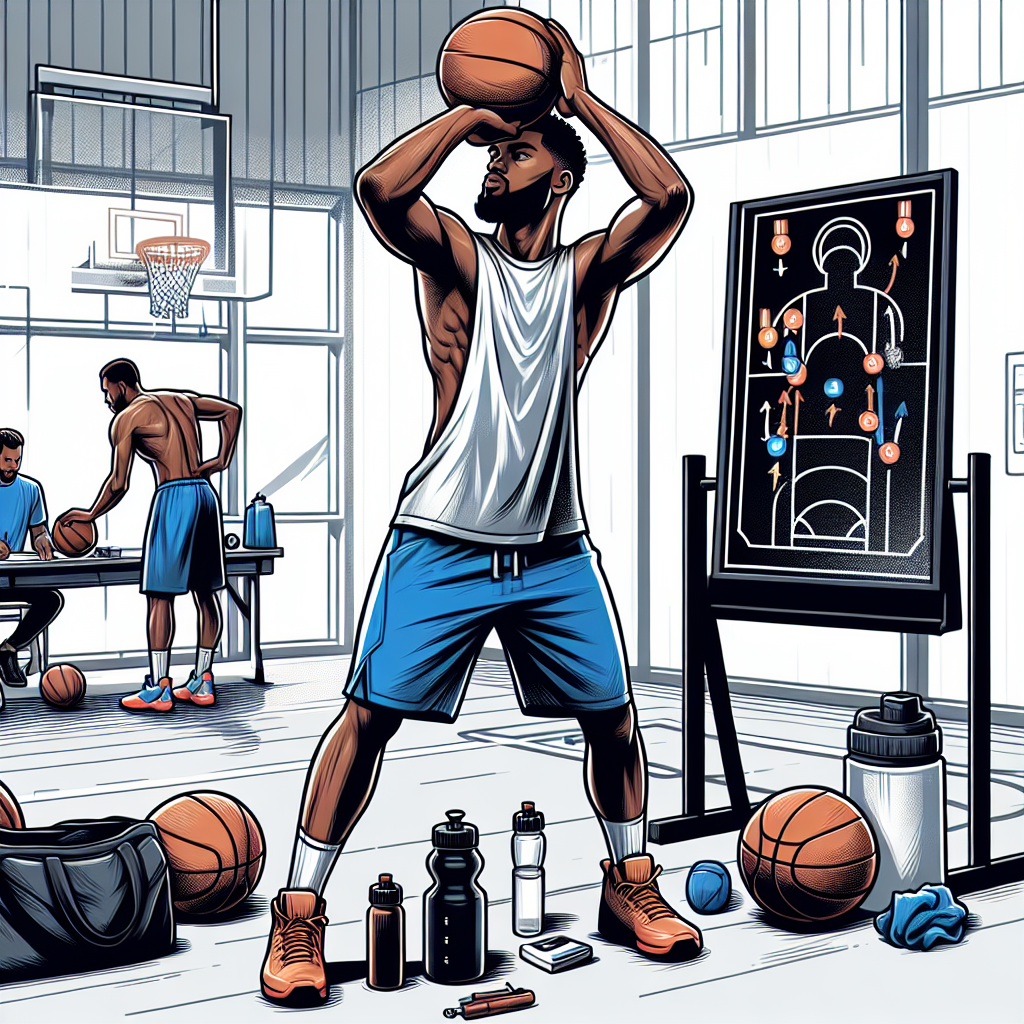
Following their morning routines, players typically head to the practice facility for their training sessions. Organized workouts often include a blend of weightlifting, conditioning drills, and skill development. Athletes may work with strength and conditioning coaches who use advanced metrics and technology to assess their performance, tailor workouts, and prevent injuries. This type of personalized training has evolved significantly, with 2025 NBA players often utilizing wearable technology that tracks heart rate, movement patterns, and recovery metrics in real time.
The skill development phase of training emphasizes shooting, dribbling, and defensive techniques. Coaches often employ various drills to improve players’ shooting accuracy and ball-handling capabilities. This is particularly important in a league where competition is fierce, and players must continuously evolve their game to stay relevant. One-on-one drills and team scrimmages are also common practices that foster teamwork and enhance tactical understanding, preparing players for the challenges they will face in the upcoming games.
Game Day Preparation: The Art of Performance
Game day for an NBA player is a whirlwind of activity, filled with anticipation and focus. For a typical evening game, players arrive at the arena several hours before tip-off. The first order of business involves shooting around, commonly referred to as “getting loose.” This informal practice allows players to find their shooting rhythm while getting acclimated to the arena’s lighting and atmosphere. Coaches use this time to underscore game strategies and reinforce key plays.
As game time approaches, the atmosphere in the locker room becomes electric. Players engage in rituals that help them mentally prepare, which may vary from personal routines to team rituals, such as group huddles or motivational speeches. Medical staff ensures players are in top physical shape and ready for the exertion of the game. Coaches often hold last-minute adjustments to game strategies, while players focus on individual matchups, further emphasizing the importance of preparation and mental readiness in achieving peak performance.
When it’s finally time to take the court, players often find themselves fueled by a mixture of excitement and adrenaline. The culmination of their daily routine comes to life as they step onto the hardwood, and the moment is a testament to their hard work and dedication throughout the week. The roar of the crowd and the thrill of competition galvanize players, propelling them to showcase their skills in front of thousands of fans.
Post-Game Activities: Recovery and Reflections
After the final buzzer sounds, the work for an NBA player is far from over. Players participate in post-game analysis and reviews where they look at performance metrics, statistics, and video footage with coaches and analysts. This evaluation process is critical for understanding areas of improvement and celebrating successes from the game, setting the stage for continuous development. In 2025, the use of advanced analytics and video breakdowns has become more sophisticated, enabling players to swiftly identify strengths and weaknesses in their games.
Recovery is a central focus, and players engage in a variety of techniques to aid their physical and mental well-being. This includes a combination of ice baths, massages, and stretches with physical therapists to alleviate soreness and enhance recovery. Nutrition plays a vital role here as well; post-game meals are meticulously planned to replenish energy stores and promote healing. Many players opt for high-quality proteins, complex carbohydrates, and hydrating fluids to kickstart the recovery process.
A typical night may end with players winding down with a mental hygiene routine. Activities might include reading, spending quality time with family, or engaging in light recreational activities that help players transition away from the stress of competition. This period of self-care is essential, enabling them to reset mentally and physically for the challenges of the next day. Rest is crucial, and many players aim for a consistent sleep pattern to ensure optimal recovery and performance.
Life Beyond the Court: Personal Development and Outreach
Beyond their athletic commitments, NBA players often engage in various off-court activities that reflect their personal interests and community commitments. Many players dedicate time to philanthropic endeavors, using their platforms to address social issues, support education initiatives, or promote health and wellness programs. Notable players often launch their own foundations or participate in community outreach programs, aiming to make a positive impact. In 2025, social responsibility has become a hallmark of the NBA, with players actively involved in causes that resonate with them personally.
Additionally, players look to cultivate their personal branding and business ventures. With the rise of social media and influence marketing, many athletes are savvy entrepreneurs, using their notoriety to create product lines, endorsement deals, and collaborations. Whether it’s fashion, technology, or lifestyle brands, these ventures enable players to establish a financial legacy beyond their playing careers. Learning from established business mentors and engaging in continuous education has become a vital part of many players’ journeys.
As public figures, NBA players must also navigate the complexities of fame. The media scrutiny that comes with their success means players need to be mindful of their public image and how they represent themselves both on and off the court. Building a positive relationship with the media and fans is crucial, and players often partake in public speaking engagements, podcasts, or social media content that share insights into their lives and perspectives.
The Future of NBA Players: Evolving with the Game
The evolution of the NBA landscape in 2025 has set new standards for players regarding training, health, and performance. As data analytics and technology continue to influence the game, players have access to unprecedented levels of information about their bodies and performance metrics. The integration of AI-driven software for training and recovery allows players to tailor their experiences to meet their unique needs, ensuring longevity in their careers.
Moreover, mental health awareness is gaining momentum within the league, with dedicated resources becoming available to players. Teams are hiring sports psychologists and mental health experts who work with players to address the pressures of professional athletics, aiming to cultivate a healthier mental approach to the game. As understanding grows, players are learning to prioritize their mental well-being, resulting in a more balanced approach to their careers.
The fan-player relationship is also shifting, with technology bridging gaps that once separated them. Virtual interactions through platforms like VR experiences and live-streaming allow fans to gain insight into players’ lives off the court. This evolving dynamic not only enriches the fan experience but also offers players a closer connection with their audience. As the NBA moves forward, the journey of each player will continue to reflect the blend of tradition, innovation, and the personal stories that make professional basketball a captivating spectacle.
Conclusion
A day in the life of an NBA player is filled with rigorous training, mental preparation, community engagement, and personal development, all of which converge to create a uniquely challenging yet rewarding experience. From their morning routines and training regimens to game day excitement and post-game recovery, the multifaceted lives of these athletes encompass far more than just the basketball court. As the NBA continues to evolve in 2025, the dedication and perseverance of its players remain paramount, showcasing their resilience on and off the court.
FAQs
What does a typical training session look like for an NBA player?
A typical training session includes a blend of strength and conditioning work, skill development focusing on shooting and ball handling, and team tactics through drills and scrimmages. Coaches often personalize workouts based on players’ needs and game strategies.
How do NBA players manage their diet and nutrition?
NBA players work with nutritionists to create customized meal plans that prioritize hydration, balance macronutrients, and ensure adequate replenishment post-training and games. They often consume protein-rich foods, complex carbohydrates, and healthy fats to maximize performance.
What kind of technology do NBA players use to enhance performance?
In 2025, NBA players use wearable devices that monitor their physical metrics, including heart rate and movement patterns. They also utilize virtual reality and AI-driven analytics for training purposes, gaining insights into their performance and recovery for informed adjustments to their routines.