Democratic Socialism: Bridging the Gap Between Capitalism and Socialism

Introduction
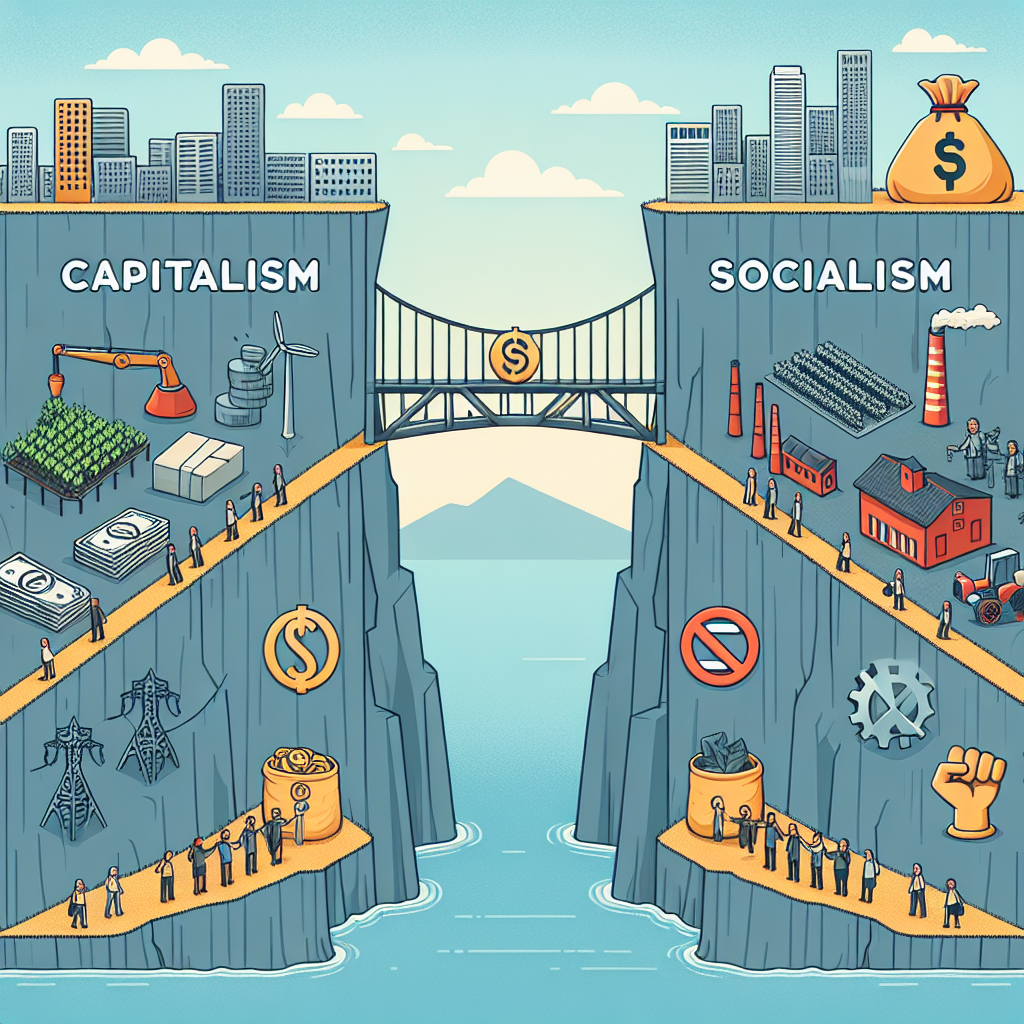
Democratic socialism is a political and economic philosophy that seeks to bridge the gap between capitalism and socialism, offering a middle ground that promotes social equity while maintaining free-market dynamics. As we move further into 2025, the relevance of democratic socialism has intensified, with many advocating for reforms to address income inequality, healthcare, and climate change. This article will explore the foundational principles of democratic socialism, the historical context, contemporary applications, and the challenges and benefits it presents in today’s political landscape.
Understanding Democratic Socialism: Key Principles and Definitions
Democratic socialism prioritizes democratic governance and strong public participation while advocating for the socialization of essential services such as healthcare, education, and public transportation. Unlike traditional socialism, which often calls for the complete abolition of capitalism, democratic socialism aims to reform the capitalist system to ensure that it serves the public good. Proponents believe in a mixed economy where the government plays a substantial role in regulating the market and redistributing wealth to reduce social inequalities.
The core tenet of democratic socialism is the commitment to social justice and egalitarianism. This philosophy supports a robust welfare state that guarantees basic needs for all citizens, including housing, food, and healthcare. By advocating for these essential services to be delivered through public means, democratic socialists argue that society can foster greater equality and improve overall quality of life, reducing the disparities often perpetuated by unregulated capitalism. As we witness a rise in economic inequality in 2025, the appeal of this ideology grows, making it a crucial focal point in national and international discussions.
The Historical Context of Democratic Socialism
The roots of democratic socialism can be traced back to the late 19th and early 20th centuries, during which various socialist movements emerged in response to the industrial revolution and the exploitation faced by workers. Figures like Eduard Bernstein challenged orthodox Marxism by advocating for a gradual, democratic approach to achieving socialist goals rather than through revolution. This marked a significant shift towards a more reform-oriented vision of socialism, emphasizing electoral politics and social reforms.
In the post-World War II era, democratic socialism gained traction in Europe, particularly with the establishment of welfare states in nations like Sweden, Norway, and Denmark. These models serve as embodiments of democratic socialism, showcasing how social safety nets can coexist with market economies. In the present day, as the failures of neoliberal capitalism become increasingly evident, many countries are re-evaluating their economic policies. The lessons learned from historical examples of democratic socialism are being revisited to inform modern approaches to public policy and economic reform, especially in the face of current global challenges.
Contemporary Applications of Democratic Socialism
As of 2025, several nations have begun to embrace democratic socialist policies, reflecting a paradigm shift in the political landscape. Countries like Finland and New Zealand have incorporated democratic socialism’s principles into their governance, focusing on healthcare as a human right, affordable housing initiatives, and rigorous environmental regulations. These nations have shown that such policies can lead to higher standards of living, increased satisfaction among citizens, and better health outcomes.
The rise of prominent political figures like Bernie Sanders in the United States and Jeremy Corbyn in the United Kingdom has sparked renewed interest in democratic socialism, particularly among younger generations. Their campaigns focus on universal healthcare, student debt relief, and combating climate change, highlighting the belief that government should actively work to address these pressing issues. This grassroots movement is characterized by its emphasis on participatory democracy and civic engagement, demonstrating that citizens are increasingly seeking alternatives to traditional capitalist structures that often prioritize profit over people.
The Challenges Facing Democratic Socialism
Despite its growing popularity, democratic socialism faces several significant challenges. One of the primary concerns is the potential backlash from established capitalist structures, including corporate interest groups and political organizations that view democratic socialism as a threat to free-market principles. The modern era has seen these entities invest heavily in lobbying efforts to counter proposals for expansive social programs, suggesting that any dramatic shifts towards democratic socialism may encounter fierce opposition.
Moreover, the implementation of democratic socialism often requires substantial cultural and systemic change. Transitioning from existing capitalist frameworks to a system with increased government oversight necessitates an informed and engaged populace. This presents challenges, as misinformation and ideological divisions can lead to public resistance against potentially beneficial reforms. For democratic socialism to thrive, it is essential for advocates to effectively communicate its principles, focusing on tangible benefits that resonate with citizens across the political spectrum.
Benefits of Embracing Democratic Socialism
The potential benefits of embracing democratic socialism are vast and impactful. Firstly, the focus on social equity and the democratization of essential services can lead to a significant reduction in socioeconomic disparities. By ensuring access to healthcare, education, and housing, democratic socialism promotes equal opportunities for all, fostering an environment where individuals can thrive regardless of their economic background. This commitment to social welfare can enhance social cohesion and reduce crime rates, ultimately contributing to a more stable society.
Secondly, democratic socialism encourages sustainable development by prioritizing comprehensive policies aimed at combating climate change. As the world increasingly confronts environmental crises, democratic socialists advocate for substantial investments in renewable energy, public transportation, and green technology. By integrating economic policies with environmental responsibility, countries can work toward a sustainable future that benefits both the planet and their populations.
Lastly, participatory governance is central to the philosophy of democratic socialism, enhancing democratic engagement. By involving citizens in decision-making processes and promoting grassroots activism, democratic socialism can invigorate political participation and accountability. This not only empowers individuals but also strengthens the democratic process by fostering a culture of collaboration and mutual responsibility among the populace.
Conclusion
In conclusion, democratic socialism represents a compelling approach that seeks to bridge the gap between capitalism and socialism, advocating for a fairer society while maintaining the benefits of a market economy. With its focus on social justice, compassionate governance, and sustainable solutions to modern challenges, democratic socialism is gaining momentum in 2025. Although it faces several obstacles, the benefits it promises make it a worthy endeavor for societies striving to create a more equitable world.
FAQs
What are the key principles of democratic socialism?
Democratic socialism focuses on social justice, advocating for universal healthcare, affordable housing, and access to education. It promotes strong democratic governance alongside a mixed economy where the government regulates the market to reduce inequality.
How does democratic socialism differ from traditional socialism?
Democratic socialism aims to reform capitalism rather than abolish it. While traditional socialism often advocates for the complete control of the economy by the state, democratic socialism seeks a balance that retains democratic principles and market mechanisms while ensuring social services.
What are some countries that currently implement democratic socialist policies?
Countries such as Sweden, Norway, Finland, and New Zealand have adopted democratic socialist principles, focusing on comprehensive welfare programs, environmental sustainability, and social equity initiatives within a capitalist framework.
What challenges does democratic socialism face today?
Democratic socialism faces challenges such as pushback from established capitalist interests, public misinformation regarding its principles, and the necessity of cultural shifts to effectively implement its policies.
Why is democratic socialism gaining popularity in recent years?
The growing awareness of income inequality, healthcare access, and environmental issues has led many, especially younger generations, to explore democratic socialism as a solution. Advocacy for policies that prioritize social welfare resonates strongly with those facing the realities of a rapidly changing economy.