The Evolution of Political Debates: From Lincoln-Douglas to Now
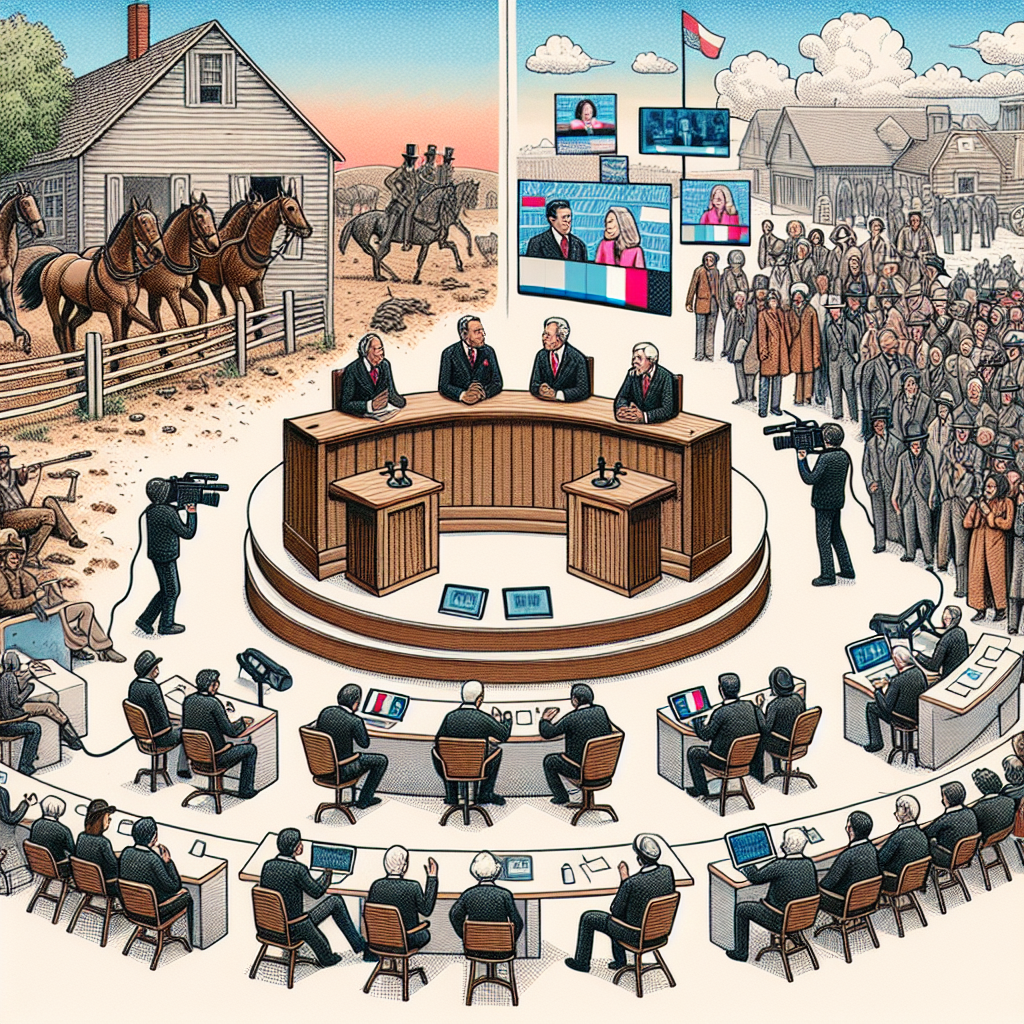
Political debates have long served as a vital component of democracy, providing a platform for candidates to articulate their visions, policies, and personalities. The evolution of political debates reflects changes in societal norms, technologies, and the political landscape itself. The journey from the historic Lincoln-Douglas debates to contemporary discussions in 2025 illustrates not only the development of the format but also the shifting expectations of voters and the media. In this article, we will explore the transformation of political debates, their significance, and the implications of this evolution for democracy today.
The Origins of Political Debates: Lincoln and Douglas
The first significant political debates in the United States occurred in 1858 between Abraham Lincoln and Stephen A. Douglas, setting the stage for future electoral discourse. These debates spanned seven sessions, allowing both candidates to present their views on critical issues, such as slavery and states’ rights, directly to the public. Unlike modern, highly structured debates, the Lincoln-Douglas debates were characterized by lengthy speeches and no formal rules regarding time or response. This allowed for in-depth discussions that fostered an early form of public engagement.
The Lincoln-Douglas debates were not just the launching pad for Lincoln’s political career; they also marked a pivotal moment in American political history. Their accessibility to the public, with thousands attending in person and many more reading transcripts, demonstrated the potential for debates to shape public opinion and influence electoral outcomes. As debates became a means for candidates to connect with voters, they started to evolve beyond mere political speeches into a dialogue, albeit within a less structured framework than what we see today.
The Rise of Structured Debates in the 20th Century
The transformation towards modern political debates began in earnest during the 20th century, with the advent of radio and television. The first televised presidential debate between John F. Kennedy and Richard Nixon in 1960 was a watershed moment. It introduced viewers to the visual aspects of politics, where appearance, demeanor, and style became critical factors in how candidates were perceived. This debate showcased not only the effectiveness of visual media in engaging the electorate but also the importance of preparation and performance in political discourse.
Another significant moment came during the 1984 election, where President Ronald Reagan famously used a humor-infused approach in his debate against Walter Mondale. This event marked a shift towards a more theatrical style of debates, with candidates recognizing the importance of likability and charisma. The structured format had begun to emphasize key soundbites and memorable moments as candidates aimed to resonate with an audience increasingly reliant on visual media for political engagement.
The Impact of the Internet and Social Media on Political Debates
As we moved into the new millennium, the advent of the internet and social media transformed how political debates were conducted and consumed. Platforms like Twitter, Facebook, and YouTube have now become integral to political communication, allowing candidates to engage directly with voters, respond instantly to critiques, and shape narratives in real time. This shift has made debates not only a central feature of campaigns but also a spectacle that can dominate media cycles, often leading to “viral” moments that can define a candidate’s election bid.
The role of moderators has evolved alongside these changes, with increased scrutiny and expectations. In recent debates, moderators have had to balance managing time and ensuring fair representation of each candidate’s viewpoints while also navigating complex issues such as misinformation and evolving voter expectations. This has led to debates taking on a more urgent and contentious tone, as candidates must not only defend their positions but also combat narratives spread through social media.
As we enter 2025, the dynamics of political debates continue to evolve. The 2024 election cycle saw increased use of technology, including artificial intelligence and virtual reality, aiming to enhance engagement and voter interaction. Candidates employed advanced analytics to target specific demographics, while also adapting their strategies to the nuanced nature of online discourse. This technological evolution reflects a growing recognition that debates must not only be informative but also engaging enough to captivate an audience bombarded by information.
The Role of Debates in Modern Democracy
In the landscape of modern democracy, political debates serve several critical functions. They are a means for candidates to communicate their platforms and policies, but they also offer voters a comparative analysis of options available to them during elections. By presenting different visions for governance directly, debates allow voters to make informed choices based on candidates’ performance and coherence regarding pressing issues such as healthcare, climate change, and economic policy.
Moreover, the increasing polarization within political discourse necessitates that debates provide a forum for civil discussion, where differing viewpoints can coexist. In recent years, debates have revealed not only ideological divides but also the growing issue of misinformation. This challenge has underscored the importance of moderators’ roles as guardians of the debate’s integrity. In 2025, we continue to see heightened demands for transparency, fact-checking, and accountability in debates, reflecting a society that is increasingly aware of the stakes involved in political discourse.
Debates also serve a significant function in fostering a culture of accountability among candidates. As public figures, candidates are expected to defend their records and positions, creating a mechanism for accountability that extends beyond the ballot box. In this way, debates not only influence electoral outcomes but can also shape long-term political engagement and voter behavior, reinforcing the notion that political participation is essential for a functioning democracy.
The Future of Political Debates: Trends and Predictions
Looking forward, the future of political debates holds both exciting possibilities and significant challenges. One emerging trend is the integration of technology to enhance voter engagement and access to debates. In 2025, we might see more candidates using virtual reality platforms to engage voters in immersive experiences, allowing them to “attend” debates from anywhere. This technology could democratize accessibility further, ensuring that those who cannot attend in person still feel involved in the political process.
Another likely development is the continued focus on diverse perspectives, with debates addressing more inclusive topics that resonate with varying demographics. Candidates might be expected to engage more comprehensively with issues affecting marginalized communities, creating a demand for debates that not only reflect mainstream viewpoints but also encompass a broader spectrum of societal concerns. This evolution could lead to a richer and more textured dialogue around critical issues.
Finally, as misinformation continues to plague the political landscape, the integrity of debates will be under greater scrutiny. The development of specific rules and standards concerning disclosure and fact-checking may become a focal point for both candidates and hosts. In 2025, we may witness stricter regulations aimed at ensuring that debates remain factual, civil, and constructive, allowing voters to draw informed conclusions based on reliable information presented in real time.
Conclusion
The evolution of political debates from the Lincoln-Douglas era to the present day underscores the significance of this democratic tradition. From unstructured discussions to highly curated performances aided by technology and social media, debates have transformed into pivotal moments in elections. They allow candidates to articulate their visions while serving as a critical platform for voter engagement and accountability. As we look toward the future, ongoing advancements in technology and the changing political landscape will continue to shape the nature of debates, ensuring that they remain vital in democratic participation.
FAQs
What were the Lincoln-Douglas debates, and why are they significant?
The Lincoln-Douglas debates were a series of seven debates in 1858 between Abraham Lincoln and Stephen Douglas, primarily concerning slavery and states’ rights. They are significant as they set a precedent for political discourse in the U.S. and demonstrated the potential for debates to engage and influence public opinion.
How have technological advancements changed political debates?
Technological advancements, particularly the rise of television and social media, have transformed political debates from mere discussions into theatrical performances. Candidates now prioritize their visual presentation and ability to generate moments that resonate with audiences across different platforms.
What role do moderators play in political debates?
Moderators are responsible for overseeing the debate, ensuring that time is managed fairly, questions are directed to all candidates, and that decorum is maintained. They also play a critical role in challenging misinformation that may arise during discussions.
What can we expect from future political debates?
Future political debates are expected to integrate more technology for voter engagement, focus on diverse perspectives addressing various societal issues, and introduce stricter regulations to ensure factual integrity and civil discourse.