The Future of Democracy in a Polarized World

The Future of Democracy in a Polarized World
In today’s global landscape, democracy faces unprecedented challenges, particularly in a world fraught with polarization. As we step into 2025, the consequences of decades of political, social, and economic divisions are becoming increasingly pronounced, prompting urgent discussions about the future of democratic systems. This article delves into the transformations expected in democratic governance, the role of technology, the impact of social movements, and the psychological facets that underlie political polarization. By exploring these themes, we aim to provide insights into how democracy can adapt and thrive despite the current challenges.
The Rise of Political Polarization
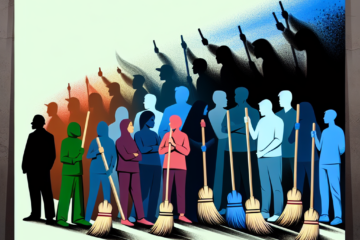
Political polarization has dramatically escalated over the past decade, creating a scenario where citizens are more divided than ever regarding ideological beliefs and cultural values. By 2025, we witness a pronounced gap between opposing political factions, characterized not only by differing political opinions but also by a profound lack of trust in institutions. Many citizens have retreated into echo chambers, primarily consuming media that reaffirms their biases, thereby strengthening their partisan identities. The impact of this polarization extends beyond political engagement; it has seeped into social interactions, media consumption, and even familial relationships, creating a societal fabric that is increasingly frayed.
The consequences of this intensified polarization are manifold. Governance becomes hindered as bipartisan dialogue dissipates, leading to legislative gridlock. As factions solidify into extreme positions, compromise—once a hallmark of democratic processes—becomes nearly impossible. The electorate, often more concerned about defeating the opposing side than advancing the common good, contributes to a cycle of distrust and disengagement from traditional democratic practices. Therefore, addressing the roots of political polarization is paramount for any discussions about the future of democracy.
<h2The Role of Technology in Democratic Engagement
Technology plays a dual role in the landscape of democracy, acting both as a catalyst for greater engagement and as a vehicle for further division. In 2025, digital platforms are still the primary means through which citizens communicate, organize, and express their political views. Social media, in particular, has transformed how individuals participate in political discourse, allowing for rapid mobilization of support around issues and candidates. However, this convenience comes at a steep cost: misinformation thrives in the digital age, increasingly sowing discord. Algorithms favor sensational content, often exacerbating polarization by feeding users content that aligns with their preexisting biases.
The need for digital literacy and critical thinking skills has never been more critical as democracies evolve. Educating citizens about the ways in which their information ecosystems operate can help individuals become more discerning consumers of news, ultimately fostering healthier political dialogues. Moreover, innovative technology can be leveraged to engage underrepresented groups, opening the door to a more inclusive political environment. By utilizing technology as an empowering tool, democracy has the potential to evolve in ways that embrace diverse perspectives rather than shun them.
Social Movements and Civic Engagement
As we look toward the future, social movements have emerged as a powerful mechanism for change in our polarized world. The youth, in particular, are at the forefront of advocating for climate justice, racial equality, and economic reforms. These movements exemplify grassroots organizing that challenges the status quo, displaying the capacity to unite individuals across political divides under common social goals. By 2025, the intersectionality of these causes has garnered significant momentum, emphasizing the interconnectedness of various social issues and empowering citizens to fight for a more just and equitable society.
Civic engagement has also been redefined by the participatory nature of these movements. Beyond traditional voting behavior, people are witnessing an increase in activism and local governance participation, highlighting a growing desire for accountability and transparency from political leaders. Campaigning strategies have also evolved, moving towards community-based initiatives that prioritize citizen input over top-down approaches. Consequently, this democratic renewal offers a counterbalance to the toxicity of polarization, paving the way for collaborative solutions amidst the noise.
However, the challenge remains: how can social movements maintain momentum in an environment that often seeks to silence dissenting voices? Advocacy for policy change requires sustained pressure and an ability to adapt to changing political landscapes. Mobilizing diverse coalitions will be crucial to overcoming the fragmentation that polarization has fostered, allowing these movements to transcend their single-issue origins.
The Psychological Aspects of Polarization
Understanding the psychological underpinnings of polarization is essential in grappling with its effects on democratic institutions. In 2025, scholars increasingly recognize that deeply held beliefs are often emotionally charged, making it difficult for individuals to engage in constructive dialogue. Cognitive biases, such as confirmation bias and in-group bias, contribute to a phenomenon where individuals are less likely to engage with opposing views. This cognitive dissonance not only hampers meaningful conversations but also hardens positions over time, thereby perpetuating the cycle of polarization.
Furthermore, the discomfort often associated with confronting opposing opinions triggers defensive mechanisms that manifest in hostile political rhetoric. Political leaders capitalize on this by stoking fears and confirming anxieties, which not only solidifies their base but also drives deeper wedges between the populace. Understanding these psychological frameworks is essential for fostering a culture of empathy and reconciliation, ultimately allowing democracy to heal rather than fracture. Interventions aimed at promoting intergroup dialogue and encouraging perspective-taking among citizens can be vital strategies for cultivating a more resilient democracy.
Moreover, community-building initiatives focused on shared experiences can counteract the alienation that often accompanies polarization. By fostering local connections and allowing individuals to bypass entrenched ideological divides, it becomes possible to build shared understanding, which is crucial for any society’s democratic health. In such environments, differences can become sources of strength rather than division.
The Future of Democratic Governance in a Divided World
Looking toward the future of democratic governance, the challenge remains whether existing institutions can adapt to meet the needs of an increasingly polarized populace. In the past, democracy has demonstrated a remarkable capacity for evolution in response to emerging challenges. By leveraging the lessons learned from recent crises, it is possible to propose systemic changes that could reinvigorate democratic practice. Emphasizing transparency, accountability, and citizen participation may forge a path towards rebuilding public trust in democratic institutions.
Additionally, electoral reforms, such as moving toward ranked-choice voting or implementing proportional representation, could alleviate some symptoms of polarization by providing voters with more nuanced choices. Such reforms may lead to the emergence of more representative political parties, reducing the “us versus them” mentality that has plagued democratic discourse. By increasing the range of voices in the political arena, these governance strategies can encourage collaboration and compromise rather than animosity.
Investing in education is also paramount for cultivating a future where democracy thrives despite polarization. Educating citizens about the democratic process, the importance of civic engagement, and the nuances of policy issues can empower them to participate constructively in political discourse. By fostering critical thinking and awareness about the interconnectedness of social issues, we can mitigate the dangers of misinformation and build resilience within the democratic system.
Conclusion
The future of democracy in a polarized world is fragile but not without hope. As we move through 2025, political polarization continues to pose significant challenges, manifesting itself in public distrust and divisive rhetoric. However, the rise of social movements, the potential of technology, and the understanding of psychological factors provide avenues for change. Through systemic reforms, active civic engagement, and a reinvigorated commitment to education, democracy can evolve to meet the demands of a changing society.
By addressing the roots of polarization and fostering a culture of inclusivity, empathy, and understanding, we can work toward a healthier democratic process that serves and represents all members of society. The way forward may not be simple, but the resilience of democratic ideals remains a guiding light as we navigate this complex and polarized world.
FAQs
1. What are the main causes of political polarization?
Political polarization is caused by various factors, including ideological divides, media consumption patterns, social identity dynamics, and electoral processes that incentivize extreme positions.
2. How does technology impact democracy?
Technology can enhance democracy by facilitating engagement and organizing but also contributes to polarization by spreading misinformation and creating echo chambers through algorithm-driven content consumption.
3. What role do social movements play in a polarized society?
Social movements mobilize citizens under common goals, challenge the status quo, and promote civic engagement, offering mechanisms for healing divisions and fostering collaboration.
4. Can education combat the effects of polarization?
Yes, education can promote critical thinking, digital literacy, and civic engagement, enabling individuals to engage constructively in political discourse and reduce the impacts of polarization.
5. What future reforms could improve democratic governance?
Reforms such as ranked-choice voting, proportional representation, and enhancing transparency and accountability in political institutions could help address polarization and restore public trust in democracy.