The Impact of Supreme Court Decisions on US Political Landscape
Introduction
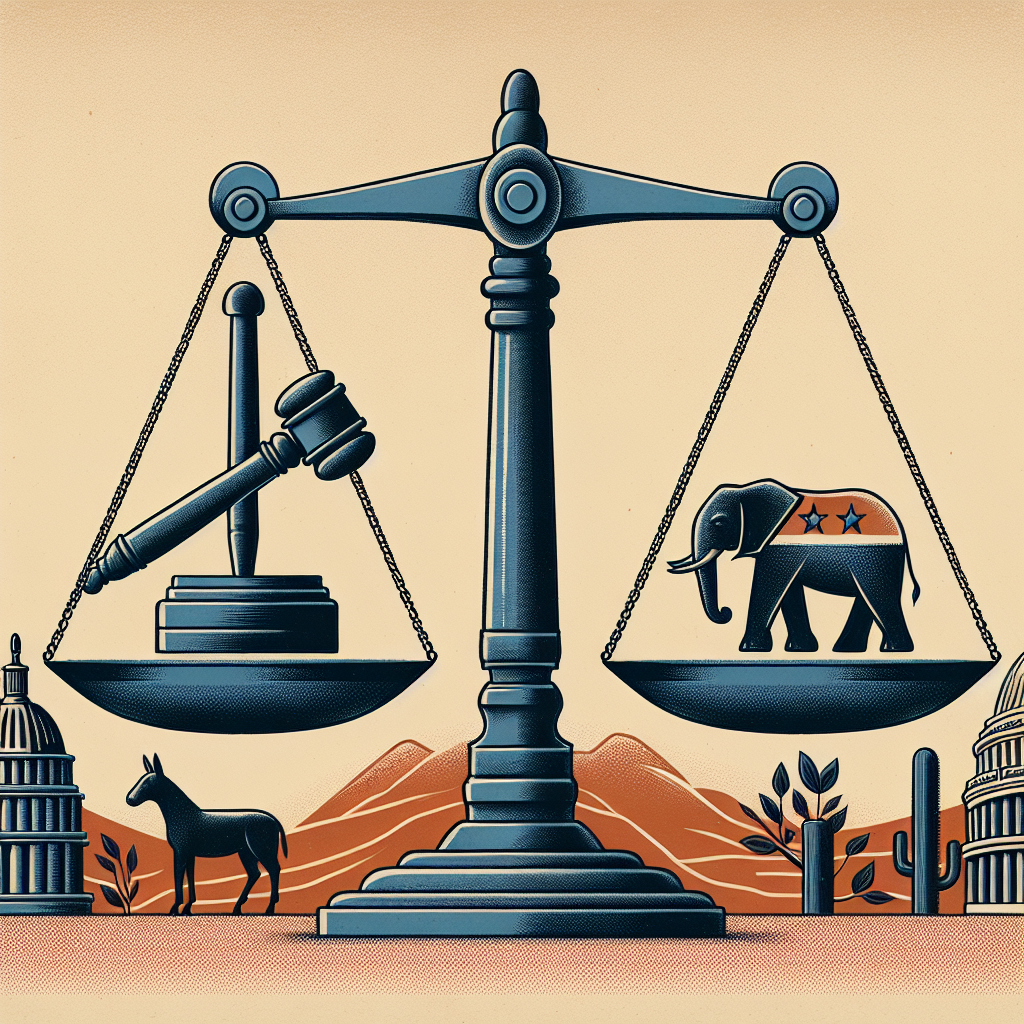
The Supreme Court of the United States plays a critical role in shaping the country’s political landscape through its decisions that can resonate for decades. The impact of Supreme Court decisions on US political landscape is profound, affecting everything from civil rights to healthcare, and even the very fabric of democracy. As we navigate the complexities of 2025, understanding these judicial rulings is more essential than ever for citizens and policymakers alike. This article aims to explore how landmark Supreme Court decisions have altered the trajectory of American politics, influence public policy, and reflect the evolving values of the nation.
The Role of the Supreme Court in American Governance
The Supreme Court is not merely an arbiter of laws; it is a pivotal entity that checks and balances the legislative and executive branches of government. Established under Article III of the Constitution, the Court has the power to interpret the law and assess the constitutionality of legislative and executive actions. In this way, it serves as a guardian of the Constitution, influencing the political landscape significantly. Many key decisions issued have either expanded civil liberties or, conversely, contracted them.
In 2025, the Supreme Court continues to serve as a battleground for vital political issues, often reflecting fundamental societal divisions. Recent rulings on matters such as voting rights, abortion access, and gun control show how the Court’s decisions actively shape legislative agendas and public discourse. With majorities leaning towards particular ideologies, the Court’s interpretation of the Constitution can sway political power, adding another layer of dynamism to American governance.
Milestones: Landmark Supreme Court Cases
Throughout history, several landmark Supreme Court cases have fundamentally changed the political landscape of the United States. For example, Roe v. Wade (1973) and its subsequent overturning in 2022 through Dobbs v. Jackson Women’s Health Organization redefined the national conversation around women’s reproductive rights. By revoking federal protections, states regained substantial power to legislate on abortion, leading to a patchwork of laws that have polarized and mobilized voters across the country.
Another pivotal case is Bush v. Gore (2000), which effectively determined the outcome of the presidential election. The decision highlighted how judicial authority can intervene in political processes, raising questions about the legitimacy of electoral outcomes. As election cycles grow increasingly contentious, the ramifications of such judicial interventions extend far beyond individual elections, influencing voter trust, turnout, and broader electoral reforms.
The Supreme Court and Civil Rights
The Supreme Court has a storied history of influencing civil rights policy through its decisions. Cases such as Brown v. Board of Education (1954) dismantled institutionalized racial segregation, subsequently propelling the Civil Rights Movement into high gear. The ruling marked a watershed moment, promoting social justice while mandating that public institutions uphold equality. This transformation was not merely judicial; it ignited grassroots activism, enabling further legislation like the Civil Rights Act of 1964.
In contemporary political debates, the Court remains a key player in civil rights issues. For instance, decisions regarding LGBTQ+ rights, such as Obergefell v. Hodges (2015), which legalized same-sex marriage, exemplify the ongoing struggle for equality. However, as seen in the 2022 ruling 303 Creative LLC v. Elenis, the Court has also returned to contentious issues of religious freedom, pitting business rights against anti-discrimination laws. These cases contribute to the evolving political rhetoric surrounding civil liberties, pushing both sides of the political spectrum to reevaluate their positions.
The Supreme Court and Healthcare Policy
Healthcare policy has been a crucial area where Supreme Court decisions have reshaped American political dynamics. The landmark ruling in National Federation of Independent Business v. Sebelius (2012) upheld key provisions of the Affordable Care Act (ACA), enabling millions of Americans to gain access to healthcare. However, ongoing legal challenges to the ACA have kept healthcare as a primary political issue, influencing legislative priorities and voter sentiments in election cycles.
Fast forward to 2025, ongoing debates about healthcare access continue to highlight the Court’s relevance in this battleground. The recent case California v. Texas (2021) challenged the ACA’s constitutionality but ultimately preserved its core elements. The political fallout has kept healthcare at the forefront of campaign discourse, compelling candidates to present more robust plans to tackle rising costs and ensure coverage. Therefore, the Supreme Court not only determines the legal status of policies but also shapes political strategies surrounding critical issues.
The Future of American Politics and the Role of the Supreme Court
As the American political landscape continues to evolve, the role of the Supreme Court is more critical than ever. Its decisions will likely influence emerging issues such as environmental regulations, digital privacy, and electoral integrity. In a society increasingly polarized along political lines, the Court’s trajectory could either bridge gaps or further entrench divisions. Upcoming appointments and party dynamics may usher in new paradigms, prompting fresh interpretations of constitutional rights and individual freedoms.
Moreover, the Supreme Court’s engagement with evolving public sentiments and social movements will likely dictate its influence on political agendas. The growing emphasis on social justice, climate change, and healthcare access in contemporary discourse demands that the Court stay attuned to shifts in voter priorities. With the composition of the Court undergoing potential changes in the coming years, upcoming decisions could precipitate significant shifts in legislative focus and party platforms, continuing to mold the political landscape.
Conclusion
In summary, the impact of Supreme Court decisions on the US political landscape is profound, affecting legislation, civil rights, healthcare, and the balance of power within government. Landmark cases have shown how the Court can redefine essential aspects of American life, influencing political ideologies and voter behavior for generations. As we navigate the complexities of 2025, the Supreme Court’s influence will remain pivotal. Citizens and politicians alike must engage with these judicial outcomes, recognizing their power to mold not only laws but also societal values.
FAQs
1. How does the Supreme Court influence American politics?
The Supreme Court influences American politics through its interpretations of the Constitution, which can shape laws and policy. Key decisions can legitimize or invalidate legislation, ultimately affecting governance and public sentiment.
2. What are some recent significant Supreme Court cases?
Some recent significant cases include Dobbs v. Jackson Women’s Health Organization (2022), which overturned Roe v. Wade, and 303 Creative LLC v. Elenis (2022), touching on LGBTQ+ rights and religious freedom, reflecting contemporary societal divisions.
3. How do Supreme Court decisions impact civil rights?
Supreme Court decisions on civil rights either protect or limit individual freedoms and equality. Landmark cases like Brown v. Board of Education and Obergefell v. Hodges demonstrate how the Court can advance social justice, while newer rulings can challenge previous gains.
4. Why is healthcare a persistent issue in Supreme Court rulings?
Healthcare remains a persistent issue in Supreme Court rulings due to the complexity and high stakes involved. Key rulings like National Federation of Independent Business v. Sebelius underscore the Court’s role in shaping access to healthcare, making it a focal point for political agendas.
5. What could the future hold for the Supreme Court and American politics?
The future of the Supreme Court and American politics may evolve significantly due to demographic shifts, emerging social movements, and potential changes in Court composition. Decisions regarding environmental policy, digital rights, and social justice will continue to shape political discourse in the coming years.