The Influence of Audience Reactions in Political Debate Outcomes


The Influence of Audience Reactions in Political Debate Outcomes
Political debates are critical arenas where candidates articulate their positions, challenge their opponents, and engage with the electorate. However, the effectiveness of these debates often hinges not only on the candidates’ performance but also significantly on audience reactions. In 2025, as debates become increasingly crucial in shaping public perceptions and voter decisions, understanding how audience reactions influence debate outcomes is vital. From live polls to social media interactions, the ways in which audiences engage with political debates have evolved, creating a dynamic that candidates must navigate carefully to maximize their impact.
Understanding Audience Engagement in Political Debates
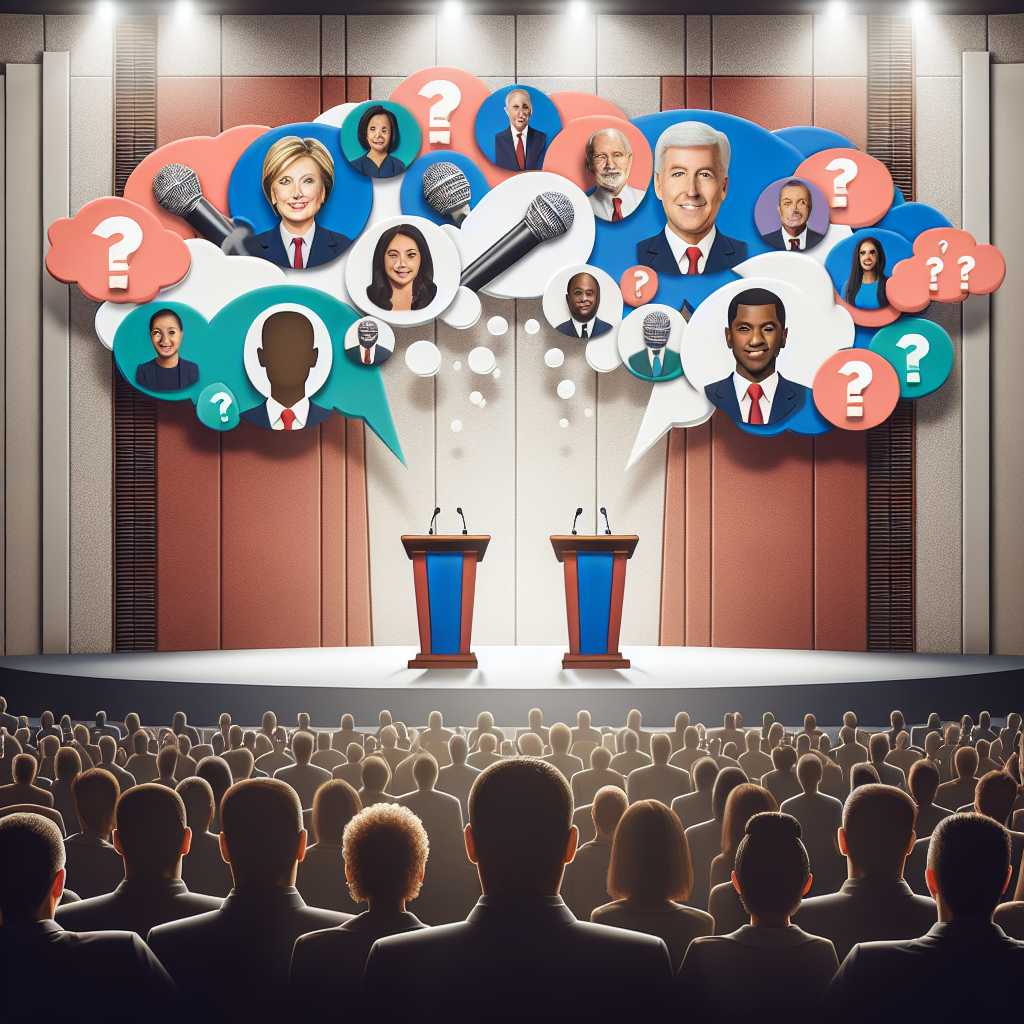
Audience engagement during political debates plays a pivotal role in shaping the narratives that emerge. Traditionally, audiences were passive observers; however, the rise of technology and social media has transformed them into active participants. Live reactions, instant feedback mechanisms, and real-time polling have created environments where the immediate responses of audiences can sway public opinion. This phenomenon has led to a new benchmark of accountability for candidates, who must now be incredibly attuned to not just what they say but how it resonates with viewers.
Moreover, the composition of the audience significantly impacts the direction of the debate. Different segments of the audience—be it based on demographics, political affiliations, or geographical locations—bring varied perspectives and biases that can color how a message is received. In 2025, debates are not viewed solely through the lens of traditional media; social media platforms amplify specific reactions, potentially creating echo chambers that can either bolster or undermine a candidate’s message.
The Role of Social Media in Shaping Audience Perception
Social media has dramatically reshaped the landscape of political discourse, particularly in the context of debates. Platforms like Twitter, Facebook, and TikTok have become essential tools for both political candidates and voters, allowing for a rapid spread of opinions and analyses that can either enhance or diminish the perceived effectiveness of a candidate’s performance in real-time. In 2025, the immediate aftermath of a debate often sees a flurry of trending hashtags and viral clips that can define the narrative of a candidate’s performance, sometimes overshadowing actual policy discussions.
Furthermore, candidates are acutely aware that their performance is scrutinized online. The potential for backlash or acclaim from social media reactions can influence their approach during the debate. Candidates may modify their communication styles or strategically highlight specific points based on audience reactions filtered through social media. The psychological impact of seeing their performance reflected in real-time reactions feeds into the narrative of the debate and can lead to self-perpetuating cycles where audience feedback dictates future messaging and campaign strategies.
Polling and Instant Feedback Mechanisms
Polling during and after debates serves as a barometer for audience reactions, providing critical insights into which candidates are resonating with viewers. In 2025, technological advancements have enabled live polling and instant feedback tools that allow audiences to express their opinions simultaneously as debates unfold. This data can be invaluable to campaigns, prompting immediate pivots in strategy to respond to perceived weaknesses or strengths as indicated by real-time feedback.
Additionally, the analysis of audience reactions through sophisticated algorithms has enabled campaigns to refine their messaging more effectively. By examining patterns in polling data alongside audience reactions, campaign managers can identify which issues resonate most deeply with target demographics. This data-driven approach helps candidates to tailor their arguments and focus on key issues that can sway undecided voters, thereby enhancing their chances of debate success.
The Psychological Impact of Audience Reactions on Candidates
The psychological impact of audience reactions during debates cannot be understated. Candidates are inherently human, and their awareness of being evaluated in real-time can lead to increased anxiety. The stress of performing under scrutiny can affect their demeanor, responsiveness, and overall performance. An audience that reacts positively—through applause or nodding in agreement—can bolster a candidate’s confidence, often leading to more dynamic and persuasive arguments.
Conversely, negative audience reactions, such as jeers or silence, can diminish a candidate’s momentum, impact their delivery, and stifle their engagement with the topic at hand. In 2025, the potential for both live audiences and virtual viewers (via Zoom or other streaming platforms) to express their feelings can create a two-fold pressure: the immediate impact of audience feedback mixed with the overwhelming nature of a global audience. This dual scrutiny can lead to heightened stakes as candidates navigate sensitive topics, knowing their performance will be analyzed and critiqued from multiple vantage points.
Furthermore, the phenomenon of “debate watching parties” has become more pronounced, where collective audience reactions can forge a shared narrative among participants. This leads to an amplified echo effect in which individual reactions combine to shape group sentiment, ultimately influencing broader discussions in relatively short time frames. Candidates must contend with not only their own performance but also how their performances resonate within these dynamic group settings.
Long-term Impacts of Debate Audience Reactions on Political Brand
The influence of audience reactions extends beyond immediate debate outcomes and plays a significant role in shaping the long-term perception of a candidate’s political brand. How voters perceive a candidate’s effectiveness during debates can inform their overall support and loyalty. In a politically charged environment like 2025, where polarizing issues prevail, the narrative spun from one debate can influence campaign trajectories for months, if not years.
Candidates who capitalize on positive audience reactions often find it easier to craft a compelling narrative that aligns with voter expectations and concerns. On the other hand, a failure to connect with the audience can lead to long-lasting reputational damage. The digital footprints left by audience reactions linger across social media and news outlets, serving as reminders of a candidate’s performance that can define their public image for generations of voters.
Moreover, a candidate’s ability to adapt to audience feedback—whether positive or negative—can set them apart as a responsive leader. Voters in 2025 are increasingly looking for authenticity and adaptability, traits increasingly highlighted by positive audience engagement during debates. Candidates who fail to acknowledge and learn from audience reactions risk alienating key voter segments, making it essential for them to engage with the sentiments expressed by their followers in real-time.
Conclusion
The influence of audience reactions in political debate outcomes is a multifaceted dynamic that combines technology, psychology, and political strategy. As we move deeper into 2025, the importance of understanding how audience perceptions shape political narratives cannot be overstated. From social media engagement to live polling, candidates must navigate an increasingly complex landscape where every reaction can impact their brand and electoral prospects. By adapting to audience feedback and reflecting on their performance, candidates can enhance their appeal and connect more meaningfully with voters, ultimately shaping the electoral landscape in their favor.
FAQs
How do audience reactions influence the perception of a candidate during a debate?
Audience reactions, such as applause or laughter, can provide candidates with feedback on their performance, impacting their confidence and messaging. Positive reactions can boost their appeal, while negative responses can hinder their performance.
What role does social media play in shaping audience reactions during debates?
Social media amplifies audience reactions by allowing viewers to share instant feedback, opinions, and analyses during and after debates, influencing public perception and candidates’ subsequent strategies.
Are audience reactions more significant in live debates than in virtual debates?
While live audience reactions can create an immediate atmosphere that influences candidates, virtual debates benefit from broader engagement through social media. Both formats have unique advantages that shape audience perceptions differently.