Understanding the Foundations of Democracy

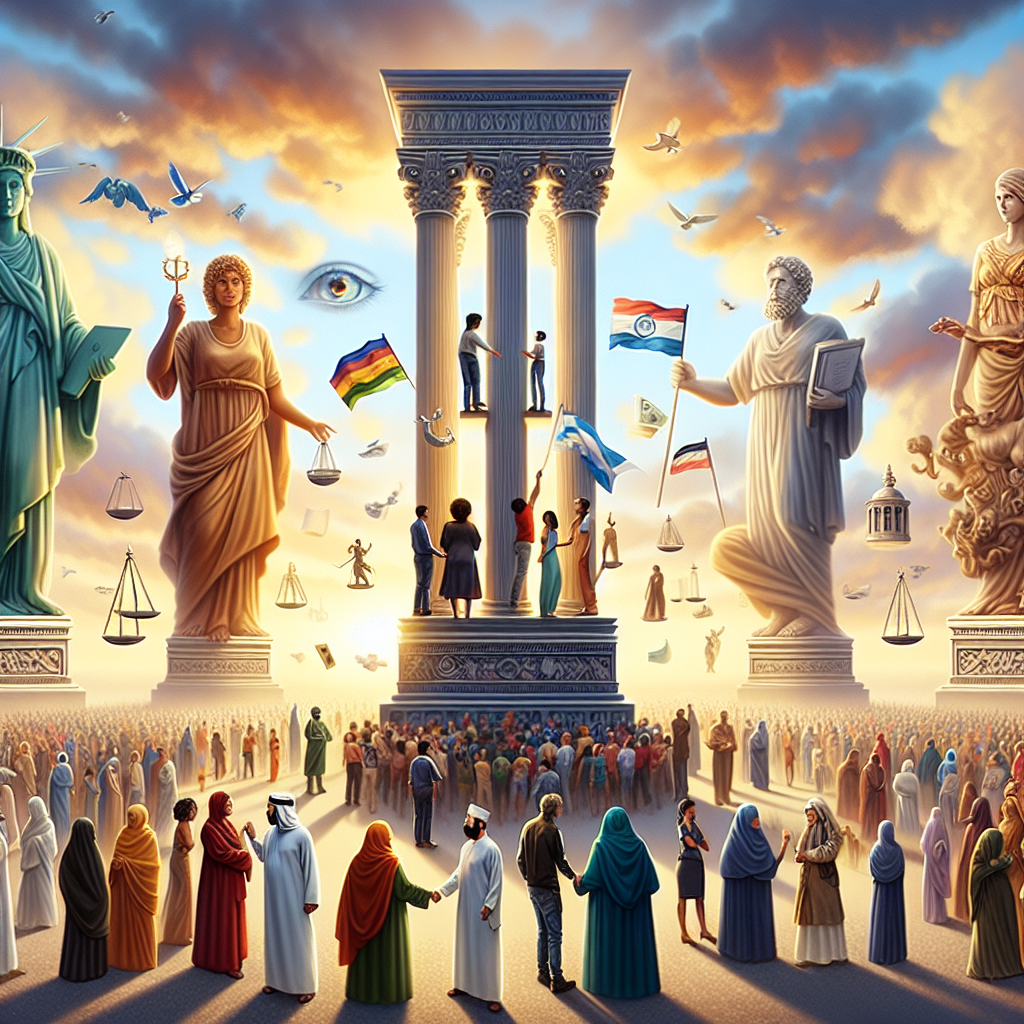
Understanding the foundations of democracy is essential for anyone who wishes to appreciate the intricate framework that underpins modern governance. In a rapidly changing world, recognizing the core principles that support democratic systems helps individuals navigate their civic responsibilities and engage meaningfully in political discourse. This article delves into the versatile components of democracy, exploring its historical roots, key principles, significant challenges, and contemporary relevance in 2025.
The Historical Roots of Democracy
Democracy, as a system of governance, has its origins in ancient civilizations, particularly in Athens around the 5th century BCE. The term “democracy” itself derives from the Greek words “demos” (people) and “kratia” (power), indicating a system where power is vested in the people. The Athenian democracy, although limited in scope (excluding women, slaves, and non-citizens), laid down the foundational principles of citizen participation and civic equality that resonate in modern democratic ideologies. This early form of governance emphasized direct involvement in decision-making, setting the stage for later democratic developments worldwide.
The development of democracy was not linear; it evolved in various cultures, intertwining with unique sociopolitical contexts. The Magna Carta in 1215 marked a crucial point in British and subsequently Western democratic traditions, symbolizing the official limitation of royal authority and the recognition of certain individual rights. The Enlightenment period further propelled democratic ideals, with thinkers like John Locke and Montesquieu advocating for liberty, justice, and the separation of powers. The American and French Revolutions at the end of the 18th century exemplify the aspirations of people who sought to establish governments accountable to their citizens, further embedding the roots of democracy into the global consciousness.
Key Principles of Democracy
Understanding the key principles of democracy is essential for comprehending its structure and function. At the heart of any democratic system is the concept of popular sovereignty; the idea that the legitimacy of government derives from the consent of the governed. This principle is evident in electoral processes, where citizens exercise their right to vote and influence government policies and representation. Another fundamental aspect is the rule of law, which ensures that laws apply equally to all individuals, including government officials, thereby fostering accountability and transparency in governance.
Additionally, democracy is built on the tenet of civil liberties, which safeguards the freedom of speech, religion, and assembly. These rights empower citizens to express their opinions and dissent without fear of retribution, thereby encouraging a vibrant public discourse. The protection of minority rights is equally vital, ensuring that the interests of minority groups are not overridden by the majority’s will. This delicate balance between majority rule and minority rights is pivotal in maintaining social cohesion and preventing tyranny, illustrating the complexities that underpin democratic governance.
Modern Challenges to Democracy
As we progress into 2025, modern democracies face an array of challenges that threaten their foundation. One of the most pressing issues is the rise of populism and authoritarianism, where leaders exploit public discontent and weaken democratic institutions to consolidate power. This trend is often accompanied by a decline in media freedom and the erosion of checks and balances, creating environments conducive to corruption and abuse of power. Such dynamics can lead to voter apathy as citizens lose faith in the political process, undermining the very essence of democracy.
Another significant challenge lies in the digital realm, where misinformation and disinformation campaigns can manipulate public perception and influence electoral outcomes. The internet, while a tool for empowerment and information dissemination, has also become a battleground for competing narratives. The spread of fake news and targeted political ads can exacerbate polarization and create divisions within society, further straining democratic cohesion. Addressing these challenges requires innovative solutions, such as media literacy programs and regulatory frameworks that promote transparency in digital advertising.
The intertwining of democracy with global issues, such as climate change and economic inequality, poses additional hurdles. As citizens advocate for sustainability and equitable growth, democratic governments must respond to these complex challenges effectively. The ability to implement long-term policies that transcend electoral cycles is crucial for building public trust and ensuring democratic resilience. This demands a reimagining of democratic processes to incorporate more participatory models that engage citizens directly in decision-making.
Contemporary Relevance of Democratic Ideals
In 2025, the relevance of democratic ideals remains more significant than ever. Amid the ongoing global crises, from health pandemics to geopolitical tensions, the principles of democracy serve as a beacon for accountability and ethical governance. Democratic systems allow for the inclusion of diverse voices in policy discussions, fostering an environment where various perspectives can contribute to comprehensive solutions. In an interconnected world, the ability to collaborate across borders is essential for addressing challenges that transcend national boundaries, highlighting the importance of a democratic approach.
Furthermore, as emerging technologies reshape societal norms, democratic governance must evolve to protect individual rights and freedoms in the digital space. Innovations such as artificial intelligence and big data present both opportunities and ethical dilemmas that require democratic oversight. Ensuring that technology serves the public good and upholds democratic values is a pressing concern for policymakers globally. This necessitates a collective effort from citizens, civil society, and governments to create frameworks that balance innovation with ethical considerations.
Additionally, the recent resurgence of civic engagement movements showcases the enduring power of democracy. Grassroots initiatives and online activism have empowered individuals to demand change and challenge existing power structures. Such movements reflect a growing recognition that democracy extends beyond electoral politics; it encompasses a continuous process of advocacy, dialogue, and transformation. The adaptability of democratic principles to contemporary challenges illustrates their enduring significance in maintaining a just and equitable society.
The Future of Democracy
Looking ahead, the future of democracy requires a renewed commitment from both citizens and government leaders to uphold its core tenets. This entails fortifying democratic institutions and ensuring their responsiveness to the evolving needs of the populace. Engaging younger generations in civic education and participation is crucial for fostering a culture of democratic involvement that sustains governance for years to come. Educational curricula must emphasize not only the historical context of democracy but also the critical thinking skills necessary for navigating today’s complex political landscapes.
Moreover, fostering political inclusivity will be vital for the longevity of democratic systems. In 2025, initiatives aimed at increasing representation from marginalized communities, women, and youth will contribute to a more equitable political arena. Policies that promote inclusivity not only strengthen the legitimacy of democratic governance but also enhance the creativity and effectiveness of decision-making processes by bringing diverse perspectives to the forefront.
Finally, embracing the principles of social sustainability will significantly impact the evolution of democracy. As societies grapple with economic disparities and environmental degradation, democracies must prioritize social equity and long-term sustainability in their policy frameworks. The alignment of democratic governance with goals such as the United Nations Sustainable Development Goals will play a pivotal role in promoting global cooperation and addressing the pressing challenges of our time.
Conclusion
In conclusion, understanding the foundations of democracy is imperative in a world teeming with complexities and contradictions. From its historical roots to the modern principles guiding its practice, democracy embodies the aspirations of people for freedom, equality, and justice. As we navigate the myriad challenges that threaten democratic ideals, it is essential to reaffirm our commitment to these principles and actively participate in civic life. The future of democracy hinges on our collective engagement, vigilance, and willingness to adapt to changing circumstances while upholding the values that define democratic governance.
FAQs Section
What are the foundational principles of democracy?
The foundational principles of democracy include popular sovereignty, rule of law, civil liberties, and protection of minority rights. These elements work together to ensure that governments serve the interests of the people and uphold individual freedoms.
How has democracy evolved over time?
Democracy has evolved from ancient city-states to modern representative systems. Key milestones include the Athenian democracy, the Magna Carta, and various global revolutions that challenged autocratic authority, ultimately promoting the inclusion of individual rights and public participation in governance.
What are the main challenges faced by democracies today?
Democracies today face several challenges, including the rise of populism and authoritarianism, misinformation in the digital age, and the impacts of global issues such as climate change and economic inequality. Addressing these requires innovative governance and robust civic engagement.
How can citizens actively participate in their democracy?
Citizens can actively participate in their democracy by voting, engaging in public discourse, joining civic organizations, and advocating for policies that reflect their values. It’s important to understand civic rights and responsibilities to effectively contribute to democratic processes.
What is the relationship between democracy and technology?
The relationship between democracy and technology is dual-faceted; while technology enhances communication and civic engagement, it also poses risks such as the spread of misinformation. Ensuring that technology supports democratic values requires careful regulation and ethical considerations.