Global Trade Wars: The New Frontier of Economic Diplomacy
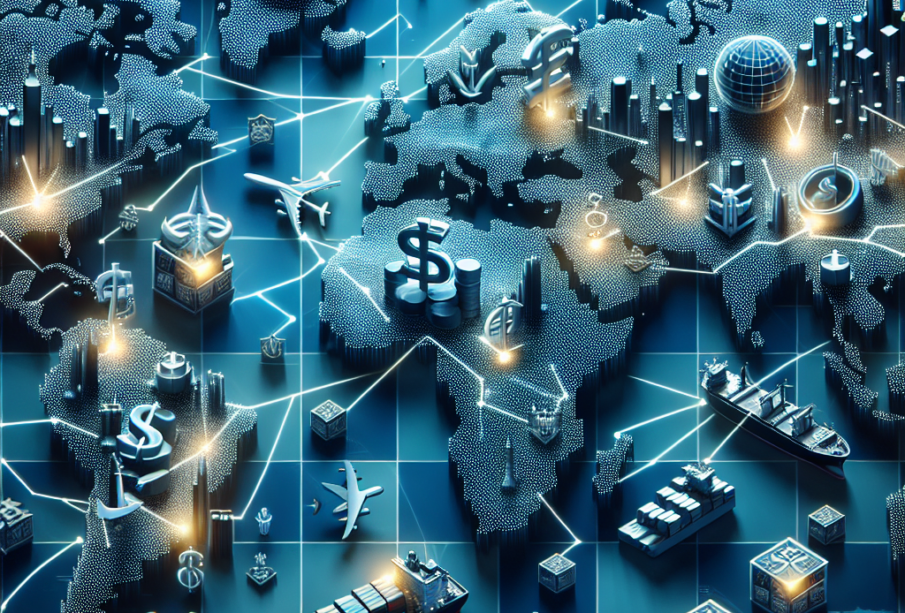
The dynamics of global trade have undergone a seismic shift over the past several years, marked by an increasing prevalence of trade wars as nations grapple with the complexities of their economic interdependencies. In 2025, the significant escalation of these trade disputes has not only reshaped international relations but has also emerged as a compelling frontier of economic diplomacy. The raw power of tariffs, import quotas, and trade negotiations plays a pivotal role, as countries navigate their economic strategies amidst national interests and global consequences. This article explores the intricacies of global trade wars, examining their origins, impacts, and the evolving landscape of economic diplomacy.
The Genesis of Global Trade Wars
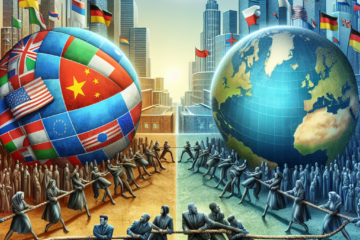
Global trade wars can be traced back to a combination of protectionist sentiments, economic nationalism, and strategic geopolitical maneuvering. The growing discontent towards globalization has prompted numerous countries to prioritize domestic industries and seek to protect their economic interests from foreign competition. Major economies like the United States and China have led the charge in imposing tariffs on imported goods, signaling a shift towards a more confrontational approach to international trade. This trend reflects not only a desire for economic self-sufficiency but also a means to leverage power in the intricate web of global relations.
The year 2025 has witnessed the continuation of these disputes, with countries increasingly resorting to trade wars as tools of economic diplomacy. Nations are employing tariffs as a means of economic coercion to achieve political objectives, with significant ramifications for global trade. As countries position themselves in this complex landscape, the economic ripple effects extend beyond tariffs—affecting supply chains, pricing strategies, and even consumer behavior. As nations adopt confrontational stances, understanding the motivations underlying these trade policies becomes crucial for predicting future trends and implications.
The Economic Impact of Trade Wars
The economic fallout from trade wars is multifaceted, affecting everything from inflation rates to employment figures. Tariffs often lead to increased costs for consumers, as import taxes are typically passed down the supply chain. In 2025, the implications of these trade policies are stark—many consumers face higher prices on everyday goods, leading to reduced purchasing power and altered consumption patterns. The long-term effects can lead to increased inflation, diminishing overall economic growth in both initiating and target countries.
Moreover, trade wars have substantial impacts on employment and production. Domestic industries may find short-term relief from reduced foreign competition, but this is often offset by retaliatory tariffs that affect exports. 2025 has seen workers in export-driven sectors adversely affected, forced to navigate an unpredictable job market amid rising tensions. As companies adapt to changing tariffs, they may also reconsider their sourcing and investment strategies, potentially leading to shifts in global supply chains that impact hundreds of thousands of jobs worldwide.
The Role of Economic Diplomacy in Mitigating Trade Wars
As global trade wars intensify, economic diplomacy emerges as a critical tool for countries seeking to navigate these turbulent waters. Diplomacy in the economic realm goes beyond traditional negotiations; it involves forming alliances, participating in multilateral negotiations, and finding innovative solutions to trade disputes. International organizations such as the World Trade Organization (WTO) have been pivotal in mediating conflicts and promoting dialogue among nations. In 2025, with tensions at a peak, the need for effective economic diplomacy has never been greater, as countries recognize that confrontational approaches can lead to a downward spiral of retaliation.
Economic diplomacy not only addresses immediate trade concerns but also emphasizes the building of long-term relationships among nations. In an increasingly interconnected world, cooperative strategies that promote mutual benefits can yield significant advantages. Countries are now engaging in diplomatic outreach programs aimed at reducing tensions. Initiatives focused on shared interests—such as climate change, sustainable development, and technology transfer—can serve as platforms for collaboration, softening the harsh edges of trade disputes and fostering a spirit of partnership.
Furthermore, the role of digital diplomacy has gained prominence as nations utilize technology to facilitate communication and negotiations. Virtual platforms enable a real-time exchange of ideas and concerns, expanding the scope of economic relationships despite physical barriers. Whether through formal summits or informal dialogues, the interconnectedness facilitated by technology has transformed the ways in which countries engage with one another. As we move deeper into 2025, enhancing economic diplomacy through innovative channels will be essential to mitigate the adverse effects of ongoing trade wars.
The Future of Global Trade: Predictions and Considerations
Looking ahead, the future of global trade is likely to be shaped by the lessons learned from recent trade wars. As countries grapple with the consequences of their policies, there may be a growing realization of the need for a more cooperative and resilient trade framework. In 2025, discussions around reforming trade agreements, such as the Trans-Pacific Partnership (TPP) and North American Free Trade Agreement (NAFTA), highlight the potential for new collaborative structures within the global trade landscape. Economies may begin to prioritize multilateral approaches over unilateralism, recognizing that shared prosperity requires collective action.
Additionally, the rise of emerging markets poses both challenges and opportunities in the context of global trade. Countries such as India, Brazil, and Nigeria are positioning themselves as new centers of economic power, demanding a voice in trade discussions that reflect their growing influence. As traditional powerhouses brace themselves for the shifts in economic dominance, adapting to this new reality will be critical. Policies that foster inclusivity and support sustainable development will not only be necessary for mitigating trade tensions but will also pave the way for greater economic stability.
In this predictive lens, sustainability emerges as a crucial theme in future trade discussions. The global community increasingly recognizes that trade policies must align with environmental and social goals. In 2025, we may see an upsurge in regulations aimed at addressing climate change and promoting fair labor practices, influencing the very nature of international trade. Companies that prioritize sustainability in their supply chains will likely gain competitive advantages, shifting the narrative from mere economic gain to shared global responsibilities.
Case Studies in Modern Trade Wars
To fully grasp the complexities of global trade wars, analyzing specific case studies sheds light on different countries’ approaches and the subsequent impacts. The United States and China exemplify a prominent case, where tariffs imposed by both nations have led to significant trade disruptions. The ongoing tensions showcase the interplay between economic policy and national security concerns, as both countries navigate their ambitions and grievances. In 2025, the repercussions of these policies are evident in fluctuating commodity prices and altered trading patterns, demonstrating how deeply interconnected global economies have become.
Another illustrative case is the European Union’s response to the U.S. steel and aluminum tariffs. The EU has sought to protect its industries by imposing retaliatory tariffs, highlighting the challenges faced by traditional trade relations in a shifting geopolitical environment. The ongoing negotiations and adjustments reveal the delicate balance between protecting national interests and fostering international cooperation. As the EU recalibrates its trade strategies, businesses are encouraged to adapt to the evolving regulatory climate.
Lastly, the India-UK trade negotiations in 2025 provide insight into how nations maneuver amidst global trade tensions. Emerging from the shadows of previous trade wars, both countries aim to strengthen their economic ties through a potential Free Trade Agreement (FTA). This initiative emphasizes a commitment to trade liberalization while addressing mutual concerns, showcasing the importance of forging relationships in the face of global uncertainties. The outcomes of such negotiations will likely influence global trade patterns and set precedents for future agreements.
### Conclusion
Global trade wars represent a daunting challenge for nations across the globe, reshaping economic policies and international relations in 2025 and beyond. As countries grapple with the consequences of confrontational trade tactics, the need for effective economic diplomacy has never been more pressing. Understanding the origins and impacts of trade wars, fostering collaborative solutions, and embracing sustainability are vital components that can lead to a more stable and equitable global trading environment. Acknowledging these complexities is crucial for stakeholders aiming to navigate the evolving landscape of international trade.
### FAQs
What are global trade wars?
Global trade wars occur when countries impose tariffs and quotas on each other’s goods and services in an effort to protect domestic industries and influence international economic relations.
How do trade wars affect consumers?
Trade wars typically lead to increased prices for imported goods, which in turn reduces consumer purchasing power and can lead to inflation.
What role does economic diplomacy play in trade wars?
Economic diplomacy seeks to address and resolve trade disputes through negotiation and cooperation, aiming to foster relationships that benefit all parties involved in the global trading system.
What impact do emerging markets have on global trade dynamics?
Emerging markets are increasingly shaping the landscape of global trade by demanding a greater voice in trade agreements and presenting both challenges and opportunities for established economies.
Can trade wars lead to lasting changes in trading relationships?
Yes, trade wars can result in lasting impacts on trade relationships, as countries often reassess their economic strategies and alliances in response to ongoing tensions and changing dynamics.