The Future of Political Debates in the Digital Age
Introduction
As we navigate through 2025, the political landscape is undergoing a transformative shift, shaped significantly by advancements in technology and social media. The future of political debates in the digital age is not just a fascinating topic; it is essential for understanding how we engage with politics today and tomorrow. With a hyper-connected world, the nuances of political discourse have evolved, influenced by audience participation, instant feedback, and the democratization of information. This article explores these changes, offering insights into how political debates are likely to unfold in the coming years.
Embracing Technology: The Evolution of Political Debates
The evolution of technology has fundamentally reshaped the framework of political debates. In 2025, we see an increasing reliance on virtual platforms for political discourse, driven by the pandemic’s aftermath and an overall shift toward digital communication. Political candidates are now leveraging augmented reality (AR) and virtual reality (VR) technologies to create immersive experiences for voters. This not only allows for remote participation but also engages a broader demographic. Candidates can simulate real-life scenarios in debates, confronting issues like climate change and economic policy in more relatable and interactive formats.
Moreover, artificial intelligence (AI) is playing a crucial role by analyzing vast amounts of data to identify trending topics and voter preferences. This capability enables candidates to prepare more effectively for debates, addressing the most pressing concerns of the electorate. Predictive analytics help campaigns understand voter sentiments and tailor their messages accordingly. As a result, debates are becoming more relevant and aligned with public opinion, increasing voter engagement and interest in the political process.
The Role of Social Media in Shaping Political Discourse
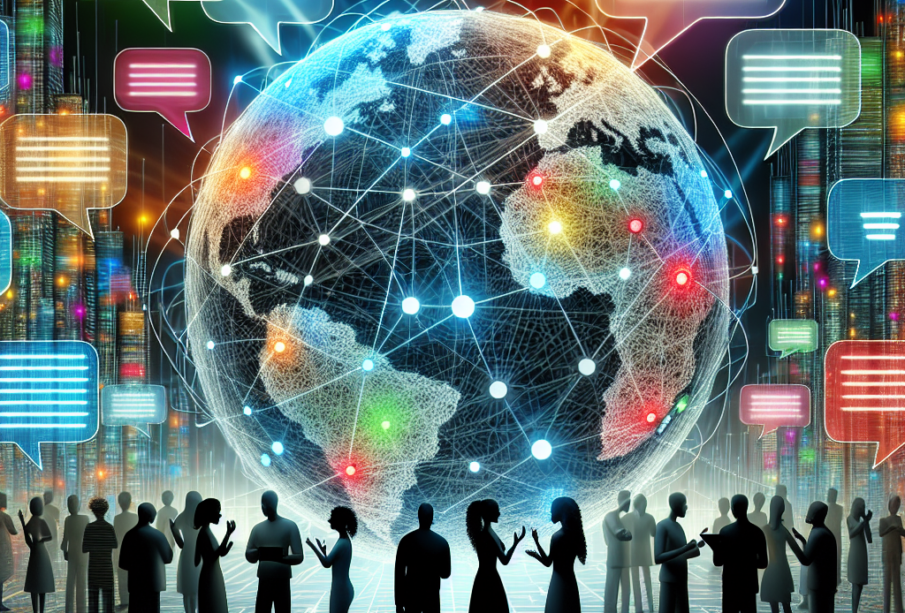
As of 2025, social media has transcended its initial role as a communication tool to become a significant influence on political debates. Platforms like Twitter, Facebook, Instagram, and TikTok serve not only as forums for discussion but also as battlegrounds where opinions are formed and reshaped. Politicians now engage in real-time responses during debates, often using these platforms to clarify or counter their opponents’ claims immediately. This instant feedback loop has fundamentally changed the dynamics of traditional debate formats, leading to a more responsive and interactive political environment.
Moreover, social media’s algorithm-driven nature has created echo chambers where like-minded individuals reinforce each other’s beliefs. This development ensures that debates are not only about factual discourse but also about navigating misinformation and divisive narratives. Accordingly, candidates must become adept at countering fake news while promoting their narratives, further complicating the landscape of political debates.
The Changing Audience: From Spectators to Participants
Political debates in 2025 reflect a significant shift in audience engagement, with viewers transitioning from passive spectators to active participants. Live polling during debates allows audiences to express their opinions instantly, creating a dynamic dialogue between candidates and voters. This format not only provides valuable insight into voter reactions but also compels candidates to adjust their strategies mid-debate, enhancing their responsiveness to public sentiment.
Furthermore, the inclusion of citizen questions via social media has added a layer of complexity to debates. Audiences now have the opportunity to submit queries directly to candidates, pressing them on issues that matter most. This shift not only democratizes the debate process but also fosters a sense of ownership among voters, who feel more empowered to shape political discourse. Candidates must therefore be prepared to engage with a wide range of topics and navigate spontaneous questions, moving away from carefully scripted responses to more genuine, unscripted interactions.
Challenges of Misinformation in Political Debates
With the rise of technology in political discourse, misinformation has emerged as a significant hurdle in ensuring meaningful debates. In 2025, the rapid spread of false narratives, facilitated by deepfake technology and algorithm-driven content curation, has become a pressing challenge for candidates and institutions. Debates must now incorporate fact-checkers and real-time verification teams to address inaccuracies immediately, a critical step to maintain electoral integrity.
Political candidates are now tasked with combating misinformation not only during debates but throughout their campaigns. They must develop robust strategies to address misleading information, directly countering false claims on social media, and utilizing partnerships with fact-checking organizations. This proactive stance against misinformation ensures that debates remain constructive, fostering a more informed electorate.
Moreover, the ongoing battle against misinformation has significant implications for the electoral process. As debates become more digitally oriented, the credibility of sources from which voters derive information must be carefully scrutinized. Voters are encouraged to engage with verified information and use critical thinking skills to discern fact from fiction, emphasizing the need for media literacy in the age of digital discourse.
Future Trends: Virtual Reality and Hybrid Debates
Looking towards the future, one can anticipate the rise of virtual reality (VR) and hybrid debate formats. By 2025, VR technology is expected to allow voters to ‘attend’ debates in a virtual space, regardless of their physical location. This immersive experience can enhance voter engagement, offering a front-row seat to political discussions while interacting with fellow citizens in real-time. It can also bridge the geographical divides, allowing participants from various regions to connect and engage deeply with the issues presented, fostering a sense of community among voters.
Hybrid debates, combining traditional live formats with virtual components, are also expected to gain traction. This model allows for both in-person and online participation, increasing accessibility for individuals unable to attend in person due to health or logistical constraints. By accommodating a broader audience, these hybrid events promote inclusivity, ensuring that diverse perspectives are represented in political discussions.
As debates evolve further, gamification elements may also be introduced, where viewers can earn points or rewards for their engagement. This strategy can incentivize participation and increase interest in political issues, especially among younger demographics who are more accustomed to interactive content. Ultimately, embracing these innovative formats and technologies will be crucial for the future of political debates in the digital age.
Conclusion
As we analyze the future of political debates in 2025, it is clear that the integration of technology is not merely a trend but a profound transformation in how candidates and voters interact. The rise of virtual platforms, social media engagement, and the transition of audiences to active participants are redefining political discourse. However, challenges like misinformation and the need for media literacy cannot be overlooked. It is imperative for candidates and voters alike to navigate this evolving landscape with vigilance and adaptability. By embracing these changes, we can foster a more inclusive, informed, and engaged political dialogue, ultimately strengthening democracy in the digital age.
FAQs
How has technology changed political debates in 2025?
Technology has integrated immersive experiences like augmented reality and virtual reality into political debates, allowing for more engaging, interactive participation. Candidates are also utilizing AI for data analysis, tailoring their debates to current voter sentiments.
What role does social media play in political debates?
Social media serves as both a platform for real-time interaction and a medium for misinformation. It allows voters to engage directly with candidates and influence debate dynamics but requires vigilance against misleading narratives.
What is the impact of misinformation on political debates?
Misinformation undermines the integrity of political debates, making fact-checking crucial. Candidates must adopt proactive strategies to combat false narratives and foster a more informed electorate.
What are the benefits of hybrid debates?
Hybrid debates increase accessibility, allowing both in-person and online participation. This format promotes inclusivity and gives a broader audience the opportunity to engage in political discussions.
Will gamification be a part of future political debates?
Yes, gamification elements may be introduced in future debates to incentivize viewer participation, especially among younger audiences accustomed to interactive content. This could enhance engagement and interest in political issues.