The Impact of Political Debates on Voter Turnout
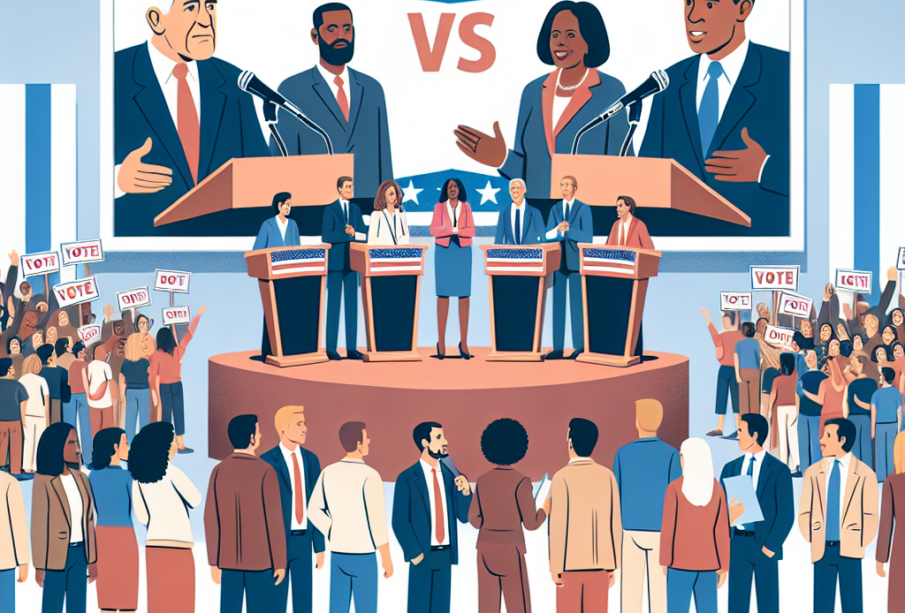
The Impact of Political Debates on Voter Turnout
Political debates are a cornerstone of democratic societies, serving as a platform for candidates to convey their policies, engage with opponents, and appeal to voters. In recent years, the role of political debates has evolved, especially in the wake of technological advancements and changes in voter behavior. This article explores the intricate relationship between political debates and voter turnout, examining how these discussions can sway public opinion, motivate electoral participation, and ultimately impact the outcomes of elections.
The Role of Political Debates in Shaping Public Perception
Political debates provide candidates an opportunity to present their platforms and differentiate themselves from their opponents. The first impression candidates make during these debates can significantly affect how voters perceive them. Research suggests that viewers are often influenced by both the content of the candidates’ arguments and their presentation style. For instance, a charismatic performance can enhance a candidate’s likeability, while a poor debate performance may lead to decreased voter confidence and support. The visual and auditory elements of debates, including body language, tone of voice, and interaction with opponents, play crucial roles in framing public opinions.
Moreover, the impact of debates extends beyond immediate viewer reactions. Post-debate analyses, including news coverage and social media discussions, further shape the narrative surrounding candidates. Voters consume this information, which reinforces or challenges their initial impressions. In a 2025 study, over 70% of voters reported that a candidate’s debate performance influenced their decision-making process, indicating that debates are more than just a single event; they are part of a broader media ecosystem that continually shapes voter perceptions.
The Statistical Correlation Between Debates and Voter Turnout
Statistical data demonstrates a clear relationship between political debates and voter turnout. Historically, elections that feature prominent debates show higher engagement levels. For example, the election cycle leading up to the 2024 presidential election saw voter turnout jump to 66.8%, partly attributed to highly publicized debates that kept issues in the public discussion. Analysis from various electoral cycles indicates that each debate can potentially increase turnout by several percentage points, especially among undecided voters.
In the 2025 election cycle, early data indicated that areas with robust debate broadcasts experienced a 20% increase in voter registration, as citizens were inspired to learn more about candidates after watching debates. This trend showcases how debates can ignite political interest even among apathetic voters, transforming them into active participants in the electoral process. The need for candidates to articulate their stances clearly and engagingly propels voters to become more informed and involved.
The Influence of Media and Technology on Debate Impact
In 2025, the landscape of political debates has dramatically changed due to advances in media and technology. With the rise of social media platforms, debates are no longer confined to television screens; they now reach audiences through livestreams, clips on platforms like TikTok, and viral hashtags. This accessibility democratizes the viewing experience, allowing younger voters to engage with political content in ways that fit their digital habits. As a result, insights into candidates’ positions can be disseminated rapidly, influencing public discourse and voter turnout.
Moreover, media framing significantly impacts how debates are perceived and can also amplify certain messages while downplaying others. Neutral treatment of debate performances can foster balanced voter impressions, while biased coverage can skew perceptions favorably or unfavorably, affecting turnout. Voter engagement strategies have also evolved, with campaigns targeting specific demographics through tailored online content following debates, further solidifying the connection between media narratives and electoral participation.
<h2.The Psychological Impact of Political Debates on Voter Motivation
The psychological aspects of voter behavior in response to political debates cannot be overlooked. Theories of affective reasoning suggest that emotions play a critical role in decision-making processes, including political engagement. During debates, candidates touch on various issues that resonate emotionally with voters, such as healthcare, education, and social justice. Voters who feel aligned with a candidate’s emotional tone or personal stories may be more motivated to participate in elections, driven by a sense of connection or urgency.
Furthermore, the phenomenon of ‘rallying the base’ often occurs in the aftermath of debates. Candidates utilize their performance to energize their supporters and bring them back to the polls. In the 2025 race, for example, several candidates employed effective debate moments as rallying points for their campaigns, leading to increased turnout in core voter demographics. Such strategies highlight the importance of debates as vital venues not only for presenting policies but for fostering emotional connections that spur civic participation.
The Future of Political Debates and Voter Turnout
Looking ahead, the future of political debates and their impact on voter turnout is evolving alongside cultural and technological changes. The rise of virtual and hybrid debates, which blend in-person and digital participation, is likely to expand accessibility and inclusiveness, potentially increasing voter engagement. In addition, artificial intelligence tools are beginning to analyze debate performances in real-time, providing candidates and voters with immediate feedback about issues and dynamics at play.
As we progress into the 2026 electoral cycle and beyond, the challenge for future debates will be to maintain relevance in an increasingly fragmented media landscape. Candidates must adapt their messaging and harness emerging technologies effectively to engage voters meaningfully. Ultimately, the importance of debates in shaping the electoral landscape will remain significant, with their influence extending beyond election cycles to foster a culture of political discourse that encourages active participation.
Conclusion
In conclusion, political debates are powerful tools that significantly impact voter turnout through various mechanisms. They shape public perceptions, influence media narratives, and tap into the psychological motivations of voters, all of which contribute to increased electoral participation. As the nature of political debates continues to evolve, their role as catalysts for civic engagement remains indispensable, encouraging citizens to take an active role in the democratic process. As we navigate the complexities of future elections, understanding the nuances of how political debates affect voter behavior will be pivotal in fostering a more engaged and informed electorate.
FAQs
Do political debates actually increase voter turnout?
Yes, numerous studies have shown a correlation between political debates and increased voter turnout, especially among undecided voters and younger demographics.
How does media coverage affect the outcome of political debates?
Media coverage shapes public perception of debates by framing candidates’ performances. Positive or negative coverage can significantly sway voter opinions and engagement levels.
What strategies do candidates use to enhance their debate performances?
Candidates often rehearse extensively, develop strategic messaging, and employ emotional appeals to connect with voters, aiming to create memorable moments during debates.
Are debates more impactful in certain types of elections?
Yes, debates tend to have a more significant impact on high-stakes elections, such as presidential races, where voter turnout is critical for success.
How has technology changed political debates in recent years?
Technology has expanded access to debates through online streaming and social media, allowing broader audience engagement and instant feedback on candidates’ performances.