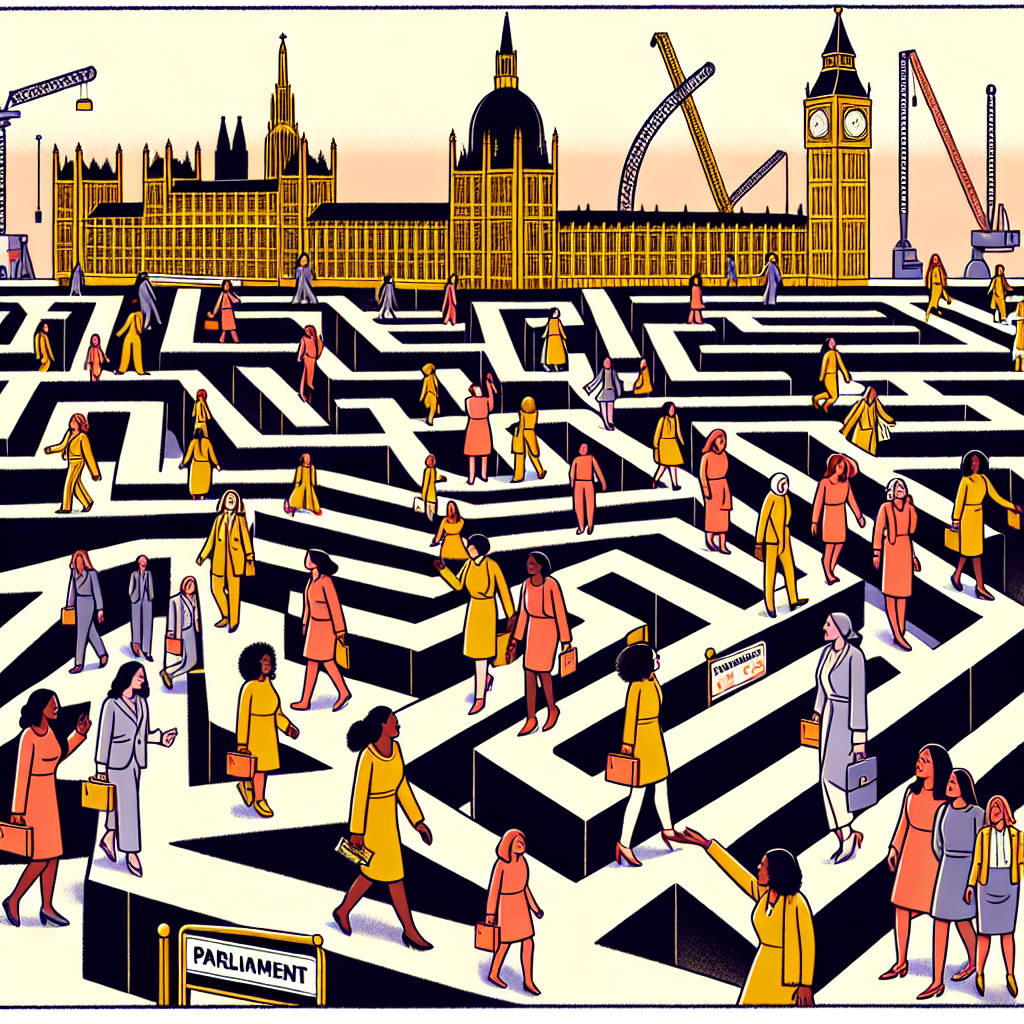
The Importance of Substance Over Style in Political Debates
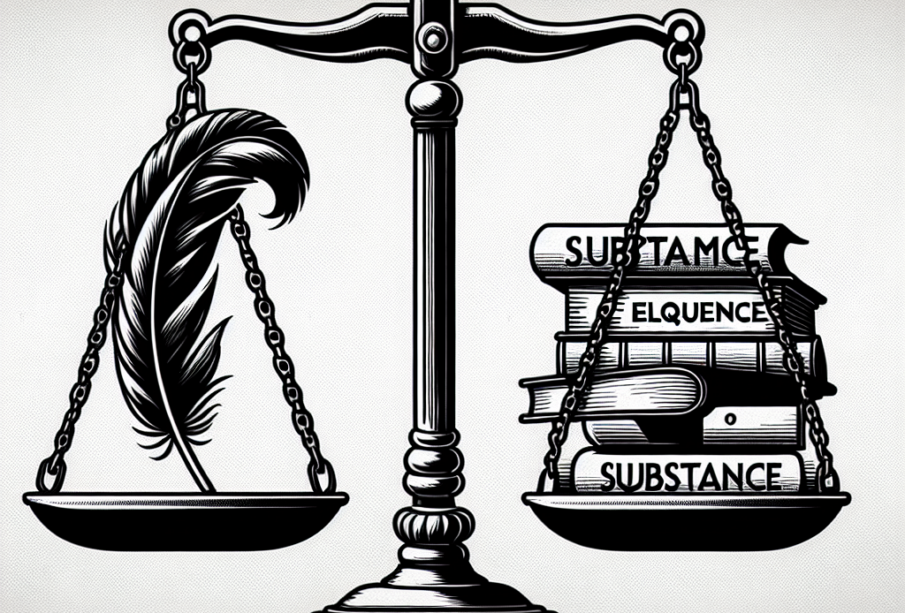
The political landscape of 2025 is witnessing an unprecedented shift, where the effectiveness of political debates is often measured not only by the charisma of the candidates but by the substance of their arguments. In this era of rapid information exchange and polarization, understanding the importance of substance over style in political debates is more crucial than ever. Candidates must prioritize meaningful discourse that addresses real issues affecting constituents rather than succumbing to superficial tactics that may promote their appeal but fail to translate into actionable policy. This article explores the fundamental reasons why substance triumphs over style in promoting informed political engagement.
The Role of Substance in Political Discourse
The foundation of a robust democracy lies in its political discourse. When voters engage in debates, they seek not just performances but meaningful conversations that address pressing societal issues. Substance in political debates enables candidates to convey their policies, values, and visions effectively, allowing constituents to make informed decisions. In 2025, as public trust in politicians is waning, the need for transparency and well-reasoned arguments has become even more pronounced. Voters are increasingly savvy; they scrutinize statements and demand evidence-based responses rather than rhetorical flourishes.
Moreover, substantive debates foster a culture of accountability. When candidates focus on policies rather than personality, they are held responsible for their positions and proposed solutions. This dynamic encourages a higher standard in political rhetoric, compelling candidates to articulate their plans clearly and coherently. Lackluster responses or avoidance of crucial issues may lead to voter disillusionment, ultimately undermining their campaigns. In an age where misinformation can spread like wildfire, reinforcing substantive debate is essential for preserving the integrity of democratic processes.
The Dangers of Prioritizing Style over Substance
Focusing excessively on style can detract from the core issues at stake. Political debates that emphasize charisma, catchphrases, and theatrical performances often lead to superficial discourse. This shift can result in candidates glossing over complex issues or providing hollow promises to appear more relatable to viewers. In 2025, we have witnessed candidates who prioritize catchiness over clarity, leading to platforms that sound appealing but hold little practical value. As a result, voters may be drawn to candidates based on charm rather than informed policy positions, which can have detrimental consequences for governance and societal advancement.
Additionally, this emphasis on style can create a polarized electorate. When debates devolve into personality contests, it fosters a divide between candidates and their supporters, often restricting dialogue to us-vs-them mentalities. This polarization leads to an erosion of collaborative solutions needed to address multifaceted social problems. In reaction to this climate, many citizens have expressed a desire for authenticity and depth in political discussions, highlighting a growing demand for engaging yet substantive electoral communication.
The Value of Well-Structured Arguments in Debates
Well-structured arguments are pivotal to shaping public discourse in a way that resonates with the electorate. In 2025, political candidates are recognizing that presenting policies through logical frameworks and solid argumentation can lead to more productive debates. Charismatic deliveries can captivate audiences, but it is the clarity of thought and rational discourse that ultimately win respect and credibility. Candidates who articulate their points logically, backed by data and real-world examples, are better equipped to persuade their constituents and encourage them to engage in critical thinking.
For instance, recent debates have illustrated how a candidate’s approach to discussing critical issues like climate change or healthcare—which require nuanced understanding and thoughtful proposals—can shape public opinion and inspire confidence. Candidates who can break down complex issues into understandable segments, illustrating their points with compelling evidence, often resonate more profoundly with voters. This ability to contextualize policies fosters a more educated electorate, who will likely approach elections with informed perspectives rather than mere emotions.
Furthermore, the impact of social media cannot be understated; it has transformed the dynamics of political debates. Candidates are not only competing for airtime but also for digital attention. As such, online platforms have become a battleground where substance must compete against the allure of style. Those who manage to convey well-structured arguments while engaging audiences through social media can influence public opinion significantly. Thus, the integration of substance into modern political debates has become not just beneficial but essential for effective campaigning in 2025.
<h2/The Impact of Substance-Driven Debates on Civic Engagement
Substance-driven debates play a crucial role in enhancing civic engagement and encouraging voter turnout. When political discussions focus on substantial issues, citizens feel more empowered and informed about their choices. In 2025, this empowerment is vital, as many demographic groups, particularly younger voters, are yearning for meaningful engagement with political processes. They seek an electorate portrayed in debates that address their concerns and aspirations, not just rhetoric designed to elicit applause.
Moreover, the efficiency of political debates in promoting public understanding of policy proposals is intrinsically linked to voter participation. Voters who can comprehend the implications of various policies are more likely to participate in elections, engage in discussions, and advocate for their interests. In this landscape, candidates who emphasize substance in their debates are not just elevating their campaigns but are also contributing to a more informed and active citizenry. The focus on meaningful debates ultimately fosters a virtuous cycle of engagement where voters expect and demand substantive discussions from their representatives.
The long-term impact of these debates on civic engagement is profound. As the electorate grows accustomed to a culture wherein substance is prioritized, leaders who fail to adhere to these expectations are likely to face backlash. Engaging in emotionally charged rhetoric without actionable insights may lead to diminished support, emphasizing the need for candidates to develop a deeper understanding of the issues and address them more collaboratively. This cultural shift towards substance-driven discussions will pave the way for a more participatory and engaged democracy moving forward.
The Changing Landscape of Political Debates in the Digital Age
The digital landscape has profoundly transformed the way political debates are conducted and perceived. In 2025, social media platforms, streaming services, and other digital channels have become essential avenues for political discourse, allowing candidates and voters to interact in real-time. This shift necessitates an emphasis on substance, as digital audiences often crave depth and relevance over nuanced stylish performances. Candidates must continually adapt their messaging to suit an increasingly informed electorate that uses various digital tools to fact-check statements and scrutinize policies.
Additionally, the rise of alternative media sources has diversified the platforms through which political discussions unfold, requiring candidates to articulate their points clearly and persuasively across various formats. As people consume information through a wide range of digital mediums, they encounter political messages that may distort reality if adherence to substance is compromised. Candidates who prioritize sound reasoning and verifiable data in their arguments are more likely to establish credibility and avoid scrutiny from fact-checkers and social media users alike.
Furthermore, the implications of digital discussions on public perceptions of politics cannot be overlooked. In a world where citizens can engage in direct discourse through comment sections and forums, those discussions can rapidly redefine candidates’ reputations based on their perceived credibility. The importance of substance in these debates ensures that candidates are prepared for both praise and critique from an audience that is more formidable and vocal than ever before. This transformation emphasizes that 2025 candidates must equip themselves with the skills to contextualize complexities while engaging with a digitally savvy electorate.
Conclusion
In conclusion, the importance of substance over style in political debates is crucial for fostering a well-informed electorate and a functional democracy. As we navigate the political landscape of 2025, it becomes clear that candidates who prioritize meaningful dialogue addressing complex issues will effectively resonate with voters. Substance-driven debates encourage accountability, promote civic engagement, and adapt to the challenges posed by digital communication. Candidates must understand that their enduring effectiveness lies in presenting well-reasoned arguments that inspire trust and confidence among voters. With the political climate continuously evolving, embracing substance will pave the way for more substantial and productive discourse.
FAQs Section
What does it mean for a political debate to focus on substance?
A substance-focused political debate emphasizes meaningful discussions about policies and real issues rather than relying on charisma or theatrical performances to engage the audience.
Why is substance more important than style in political debates?
Substance fosters informed decision-making, accountability, and a culture of clear, evidence-based communication, ultimately leading to a more engaged and educated electorate.
How can candidates ensure they prioritize substance in their debates?
Candidates can prioritize substance by preparing detailed, fact-based arguments, addressing complex issues transparently, and engaging in meaningful conversations that resonate with voters’ concerns.
What impact does social media have on the substance of political debates?
Social media amplifies the reach of political discourse while also allowing for real-time discussions, making it essential for candidates to present substantive arguments that can withstand scrutiny.
How have political debates evolved in 2025?
Political debates in 2025 have shifted towards digital platforms, requiring candidates to adapt their messages to engage a more informed electorate while prioritizing substance over style in their interactions.