Youth Activism and the Future of Liberal Movements
Introduction
As we navigate the complexities of 2025, youth activism has emerged as a powerful force shaping the landscape of liberal movements across the globe. With heightened awareness regarding social justice, climate change, and human rights, young individuals are not just passive observers but are actively participating in advocating for significant change. Through various platforms—including social media, protests, and grassroots organizations—youth activists are redefining what it means to be involved in political and social movements. The fusion of technology and mobilization strategies places today’s youth at the forefront of progressive liberal agendas, indicating a transformative future for activism.
The Rise of Youth Activism in 2025
In 2025, youth activism has experienced unprecedented levels of engagement, driven by several factors, including technological advancements and the increasing urgency of global issues. Platforms such as TikTok, Instagram, and Twitter have allowed movements like climate activism and social justice to spread exponentially. The accessibility of these platforms enables young activists to share their messages with vast audiences, influence public opinion, and hold powerful entities accountable. For instance, the rise of “digital protest” has created an environment where a single post can mobilize thousands, shifting how traditional protests are organized and executed.
Moreover, the interconnectedness of global challenges has led to a heightened awareness among young people about how issues such as climate change, racial inequality, and economic instability affect their world. This realization has fostered a sense of solidarity among diverse groups, leading to coalitions that transcend borders and ethnicities. The emergence of youth-led organizations globally exemplifies this trend, as they tackle localized issues while applauding efforts in different regions. The phenomenon reflects a burgeoning recognition that all societal issues are interconnected, motivating a collective call for change from an energetic and passionate demographic.
The Role of Technology in Mobilizing Youth Activism
The integration of technology in youth activism continues to be a pivotal element in shaping the future of liberal movements. Social media platforms have evolved into critical tools for spreading information, rallying support, and creating awareness around pressing issues. In 2025, augmented reality (AR) and virtual reality (VR) further enhance these mediums, allowing activists to create immersive experiences that educate users on various causes—from climate threats to systemic racism. The engagement levels have skyrocketed as young people digest complex issues through engaging, shareable content, driving more significant interactions and discussions.
Beyond mere engagement, technology has also proven invaluable for organizing grassroots movements. Applications enabling event coordination and real-time updates ensure that young activists are strategically aligned and well-informed. For instance, movements around climate action often utilize these technological tools to inform participants about event logistics, share critical developments, and mobilize collective action effectively. This technological synergy not only amplifies their voices but also cultivates a strong sense of community and continuity among young activists as they combat systemic oppression in various forms.
The Intersectionality of Liberal Movements
As liberal movements evolve alongside youth activism, the importance of intersectionality has become increasingly prominent. In 2025, activists are more aware of how different forms of discrimination and privilege intersect, creating complex barriers for various demographics. This holistic understanding prompts a more inclusive approach to activism, ensuring that marginalized voices, including those from LGBTQ+ communities, people of color, and economically disadvantaged groups, are prioritized within the larger liberal agenda. Such acknowledgment reflects a commitment to not only advocate for change but also support the diverse experiences that resonate within liberal movements.
Moreover, the rise of intersectional feminism has brought a renewed focus on gender equity as a crucial tenet of liberal activism. Many youth-led movements now recognize that advancing women’s rights necessitates examining how race, class, and sexuality influence these struggles. Initiatives such as the Global Girls’ Alliance underscore the importance of empowering young girls from various backgrounds to contribute to the broader discussion, thereby ensuring that their unique challenges are adequately addressed within policies and movements. This multilayered approach not only strengthens the liberal agenda but also galvanizes a wider array of supporters.
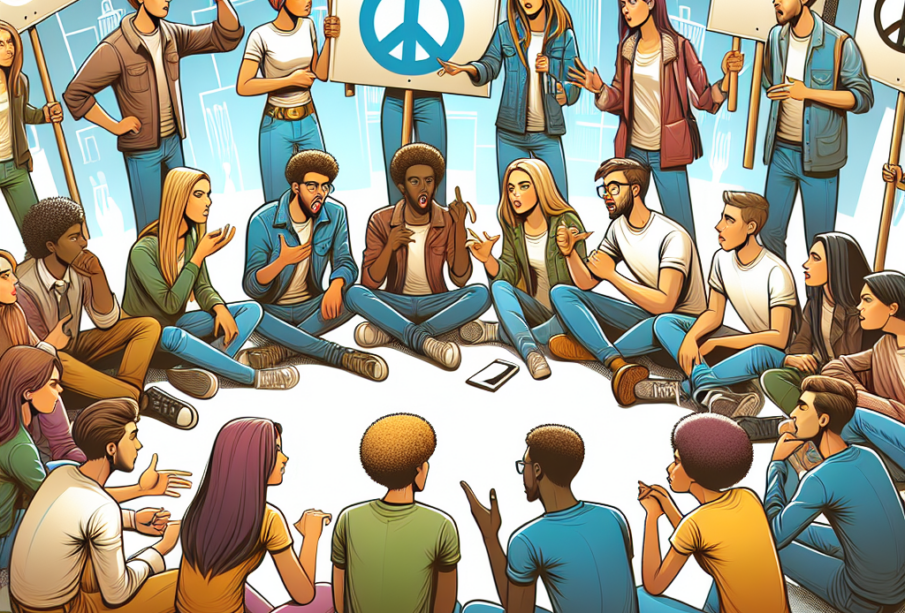
It is also essential to highlight how political environments affect the success of liberal movements. The polarization observed in numerous countries, particularly in the wake of the COVID-19 pandemic, has fostered a climate where polarization is rife. Youth activists strive to bridge these divides by emphasizing dialogue, empathy, and grassroots collaboration. As they address divisive issues like immigration reform, climate policy, and healthcare, young leaders remain committed to facilitating discussions that promote unity rather than division, thereby advocating for a more collaborative and understanding political landscape.
<h2.The Impact of Global Events on Youth Activism
The last few years have served as formative moments for youth activism, as global events have both inspired and pressured young people to take a stand. In 2025, we are witnessing the ongoing impacts of climate crises that have pushed many young individuals to the forefront of environmental movements. Events such as devastating wildfires, floods, and extreme weather patterns have become catalysts for youth-led protests and initiatives aimed at climate advocacy. The urgency propelling these young minds forward reflects a growing understanding that they will inherit the consequences of today’s choices, driving them to demand accountability from governments and corporations alike.
Moreover, the global pandemic has also highlighted existing inequalities related to health care, employment, and education, intensifying youth advocacy in these areas. Young activists are unearthing systemic injustices that perpetuate inequities and mobilizing around issues such as student debt relief, equitable education access, and healthcare for all. Movements like #CancelStudentDebt and campaigns advocating for universal healthcare have gained momentum, underpinned by the belief that an educated and healthy population is crucial for future progress. By leveraging lessons learned from the pandemic, today’s youth are not only visionaries but also pragmatists, crafting tangible solutions to long-standing systemic issues.
The selectivity of global responses to crises has also motivated many young people to engage with international entities, such as the United Nations, in addressing social challenges. Collaborating with seasoned advocates and establishing networks across countries, youth activists seek to influence policy on a broader scale while maintaining local roots. Their participation in global discussions ensures that youth perspectives are not just recognized but prioritized within international forums, fostering a sense of shared responsibility for building a sustainable future.
The Future of Liberal Movements in the Age of Youth Activism
As we look forward, the relationship between youth activism and liberal movements is destined to evolve significantly. In 2025, liberal movements must adapt to the changing dynamics of activism led by younger generations. Traditional methods may give way to innovative strategies that incorporate digital tools and hybrid models of engagement, allowing for greater flexibility in how campaigns are run. The blending of online and offline activism creates continuous lines of engagement, empowering youth to sustain momentum and keep discussions alive.
The generational shift also influences the political establishment, as younger individuals increasingly occupy positions of power and leadership. As these new leaders arise, their policies may reflect the values and priorities of their generation. Consequently, the platforms of major political parties may pivot to align with the environmental and social justice objectives championed by the youth, thereby producing a ripple effect across the political landscape. The more liberal movements acknowledge and embrace these shifts, the more equipped they will be to remain relevant to younger constituents.
Furthermore, as climate issues become more pressing and societal norms continue to evolve, we can expect liberal movements to embrace an even wider range of issues, integrating them into their core agendas. Issues such as mental health awareness, digital privacy rights, and economic justice are likely to take center stage, as young people advocate for broader equity within their political frameworks. These movements will become increasingly intersectional, addressing the intertwined nature of these concerns and their implications on various communities.
Conclusion
In conclusion, youth activism is not just a trend; it is a transformative force that is reshaping the future of liberal movements. The engagement of young people in social justice, climate advocacy, and policy reform is undeniably powerful. The interplay between technology and activism propels these movements forward, while the emphasis on intersectionality ensures that diverse voices are included in the conversation. Furthermore, global events have played a significant role in inspiring activism, positioning youth at the forefront of demanding accountability from authorities. As we navigate 2025 and beyond, the future of liberal movements will increasingly rely on the passion, creativity, and resilience of the young activists who are redefining what it means to advocate for change.
FAQs
What motivates youth activists today?
Youth activists are primarily motivated by their desire for social justice, climate action, and equity. Increased awareness of global challenges and the impact of injustices on their lives drives them to engage in movements that seek meaningful change.
How has technology changed youth activism?
Technology has allowed youth activists to connect, organize, and mobilize like never before. Social media platforms enable rapid information dissemination, while digital tools facilitate grassroots organization and real-time engagement with supporters.
What role does intersectionality play in youth activism?
Intersectionality is crucial to youth activism as it encompasses the understanding that various forms of discrimination intersect to create complex societal issues. By prioritizing marginalized voices and recognizing unique struggles, youth activists can build a more inclusive agenda within liberal movements.
This comprehensive exploration highlights the vibrant and dynamic nature of youth activism and its significant impact on the future of liberal movements, positioning them as a driving force for positive societal change.